

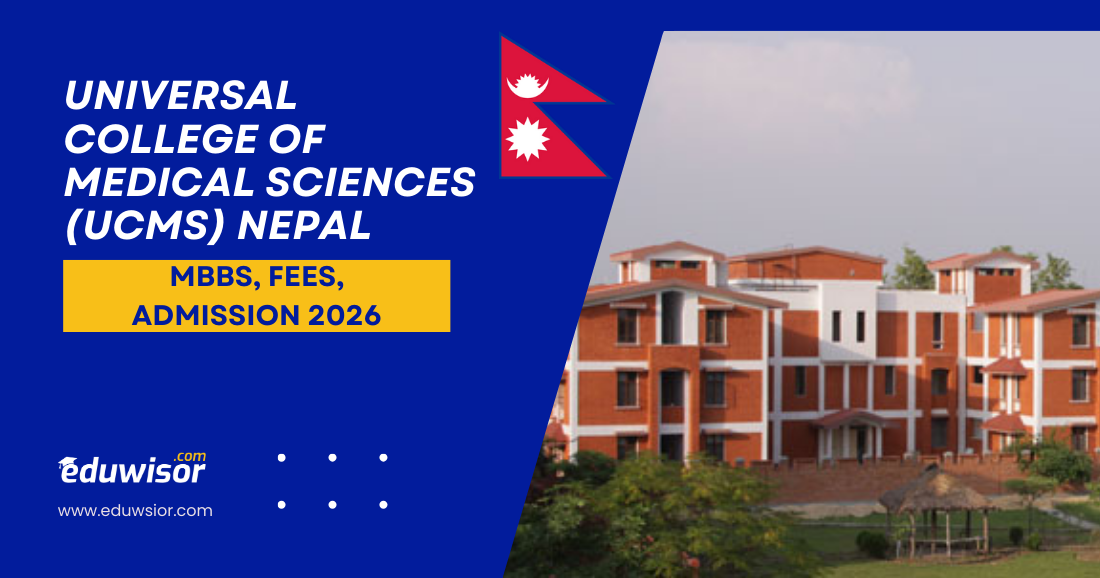
Nestled in the vibrant city of Bhairahawa, Nepal, the Universal College of Medical Sciences (UCMS) stands as a premier institution dedicated to shaping the future of healthcare professionals. Established with a vision to provide world-class medical education accessible to students across South Asia and beyond, UCMS has rapidly emerged as one of Nepal’s most respected medical colleges. With state-of-the-art infrastructure, experienced faculty, and a comprehensive curriculum aligned with international standards, the college offers an exceptional learning environment for aspiring doctors.
The Universal College of Medical Sciences represents more than just an educational institution—it embodies a commitment to excellence in medical training, research, and community healthcare. As medical education becomes increasingly globalized, UCMS has positioned itself as a bridge between traditional medical values and modern technological advancements, preparing students to meet the complex healthcare challenges of the 21st century.
In this comprehensive 5500-word guide, we will explore every aspect of UCMS Nepal, from its academic programs and admission procedures to campus life and career opportunities. Whether you’re a prospective student, a concerned parent, or simply interested in medical education trends in South Asia, this detailed overview will provide valuable insights into what makes this institution a preferred choice for medical aspirants.
Historical Background and Institutional Vision of Universal College of Medical Sciences
The Universal College of Medical Sciences was established in the late 1990s, during a period when Nepal was experiencing significant growth in higher education institutions. Recognizing the acute shortage of qualified healthcare professionals in the region, visionary educators and medical practitioners collaborated to create an institution that would address this critical need while maintaining uncompromising standards of medical education.
From its modest beginnings, UCMS Bhairahawa has undergone remarkable transformation and expansion. The college initially started with basic facilities and a small cohort of students but has since developed into a sprawling campus with advanced laboratories, modern lecture halls, and a fully-functional teaching hospital. This growth reflects not only institutional success but also Nepal’s broader commitment to improving its healthcare education infrastructure.
The founding philosophy of Universal Medical College Nepal centered on three core principles: accessibility, excellence, and community service. Unlike many private medical institutions that prioritize profitability, UCMS was conceived as an institution where deserving students from various socioeconomic backgrounds could receive quality medical training. This democratic approach to medical education has remained a cornerstone of the college’s identity, even as it has grown in prestige and recognition.
Today, UCMS Nepal operates under the umbrella of the Universal Educational and Health Service, with affiliations to Tribhuvan University, Nepal’s oldest and most prestigious university. This affiliation ensures that the curriculum maintains rigorous academic standards while allowing for innovative teaching methodologies that prepare students for both national licensing examinations and international medical practice.
Academic Excellence: MBBS Program and Curriculum in Universal College of Medical Sciences
The MBBS Program Structure
The flagship program at Universal College of Medical Sciences is the Bachelor of Medicine, Bachelor of Surgery (MBBS), a comprehensive five-and-a-half-year course that includes one year of compulsory internship. The program is meticulously designed to provide students with a strong foundation in medical sciences while developing the practical skills necessary for clinical practice.
The UCMS curriculum follows a phased approach:
- Pre-Clinical Phase (First 2 years): Focuses on basic medical sciences including Anatomy, Physiology, Biochemistry, and Community Medicine. This phase emphasizes building a strong theoretical foundation through lectures, laboratory work, and small-group discussions.
- Para-Clinical Phase (Next 1.5 years): Introduces students to pathology, microbiology, pharmacology, and forensic medicine. During this phase, students begin correlating basic science knowledge with clinical applications.
- Clinical Phase (Final 2 years): Involves intensive clinical rotations through various departments including Medicine, Surgery, Pediatrics, Obstetrics & Gynecology, Psychiatry, and Orthopedics. Students work directly with patients under the supervision of experienced faculty.
What distinguishes the MBBS at UCMS from many other programs is its early clinical exposure initiative. Beginning in the first year, students participate in community visits and hospital observations, allowing them to connect theoretical knowledge with real-world healthcare scenarios from the outset of their training.
Innovative Teaching Methodologies
Universal College of Medical Sciences has embraced contemporary educational approaches that move beyond traditional lecture-based teaching. The college employs:
- Problem-Based Learning (PBL): Small group sessions where students work through clinical cases to develop diagnostic reasoning and problem-solving skills.
- Simulation-Based Training: High-fidelity manikins and simulation labs allow students to practice procedures in risk-free environments before performing them on actual patients.
- Integrated Teaching: Rather than teaching subjects in isolation, UCMS employs an integrated curriculum where topics are taught in relation to organ systems, helping students understand the interconnectedness of medical knowledge.
- Digital Learning Resources: The college provides access to extensive online databases, medical journals, and virtual learning platforms that supplement classroom instruction.
The UCMS faculty comprises experienced medical professionals, many of whom have received training or worked internationally. This diverse faculty brings global perspectives to the classroom while ensuring that teaching remains relevant to the regional healthcare context.
Admission Process and Eligibility Criteria of Universal College of Medical Sciences
For Nepali Students
Admission to Universal College of Medical Sciences for Nepali citizens is primarily based on the entrance examination conducted by the Institute of Medicine (IOM), Tribhuvan University. The process typically involves:
- Eligibility: Completion of 10+2 or equivalent with Physics, Chemistry, and Biology as major subjects, with minimum grades as specified by the university.
- Entrance Exam: A competitive national-level examination testing knowledge in science subjects, logical reasoning, and general awareness.
- Counseling: Qualified candidates participate in a centralized counseling process where seats are allocated based on merit and preference.
For International Students
UCMS international students come primarily from India, Bangladesh, Sri Lanka, and other SAARC countries, with increasing numbers from Africa and the Middle East. The admission process varies slightly:
- Eligibility Criteria: Completion of 10+2 or equivalent with Physics, Chemistry, and Biology, with minimum aggregate marks (usually 50% for general category, with relaxation for reserved categories).
- Entrance Requirements: Some countries’ students may need to qualify specific entrance tests or provide scores from standardized tests.
- Documentation: Submission of academic transcripts, passport copies, character certificates, and other required documents.
- Direct Application: International students typically apply directly to the college, with admissions based on merit and seat availability.
Important Dates and Deadlines
Prospective students should note that the UCMS admission process follows an annual cycle, with announcements typically made in the first quarter of the calendar year. Deadlines are strictly enforced, and late applications are rarely considered. The college website and authorized representatives provide the most current information regarding application timelines.
Campus Infrastructure and Facilities of Universal College of Medical Sciences
Academic Facilities
The UCMS campus spans approximately 50 acres in Bhairahawa, offering a serene learning environment away from urban distractions while maintaining access to necessary amenities. Key academic facilities include:
Lecture Halls and Classrooms:
The college features spacious, well-ventilated lecture halls equipped with modern audiovisual systems, comfortable seating, and excellent acoustics. Smart classrooms with interactive whiteboards and multimedia capabilities facilitate engaging teaching sessions.
Laboratories:
UCMS infrastructure includes state-of-the-art laboratories for each pre-clinical department:
- Anatomy Lab: Equipped with modern dissection tables, a well-stocked cadaver bank, anatomical models, and digital dissection software.
- Physiology Lab: Features polygraphs, spirometers, hematology analyzers, and other equipment for experimental physiology.
- Biochemistry Lab: Contains spectrophotometers, electrophoresis apparatus, chromatography equipment, and other analytical instruments.
- Pathology and Microbiology Labs: Include facilities for histopathology, cytology, bacteriology, and mycology with appropriate biosafety measures.
Library and Learning Resources:
The central library at Universal College of Medical Sciences houses over 15,000 volumes, including textbooks, reference books, and periodicals. Digital resources include access to major medical databases like PubMed, Medline, and Cochrane Library. The library provides reading spaces, computer terminals, and group study rooms to accommodate different learning preferences.
Hospital and Clinical Training Facilities
UCMS affiliated hospital, the Universal College of Medical Sciences Teaching Hospital, is an integral component of the institution’s clinical training ecosystem. This 700-bed multispecialty hospital serves as the primary clinical training ground for students while providing healthcare services to the local community.
Key features of the teaching hospital include:
- Departmental Wards: Well-organized wards for medicine, surgery, pediatrics, obstetrics & gynecology, orthopedics, and other specialties.
- Intensive Care Units: Separate ICUs for medical, surgical, neonatal, and cardiac patients with advanced monitoring and life support systems.
- Operation Theaters: Modern operating rooms equipped for general and specialized surgeries, with observation galleries for student learning.
- Diagnostic Facilities: Comprehensive diagnostic support including radiology (X-ray, CT, MRI, ultrasound), laboratory services, and specialized testing.
- Outpatient Departments: Busy OPDs where students observe faculty consultations and gradually participate in patient evaluation under supervision.
The hospital handles approximately 200,000 outpatient visits and 15,000 inpatient admissions annually, providing students with exposure to a wide spectrum of clinical conditions commonly encountered in South Asia.
Student Amenities and Hostel Facilities
UCMS hostel accommodation is available for both male and female students, with separate facilities ensuring safety and comfort. The hostels feature:
- Well-furnished rooms with attached bathrooms
- 24/7 security and surveillance
- Common rooms with television and recreational facilities
- Study rooms and high-speed internet connectivity
- Dining facilities providing nutritious meals
- Laundry services and housekeeping
Beyond hostel accommodations, the UCMS campus offers:
- Sports Complex: Facilities for cricket, football, basketball, volleyball, and indoor games like table tennis and badminton.
- Auditorium: A 500-seat auditorium for seminars, conferences, and cultural events.
- Cafeteria and Food Courts: Multiple dining options offering diverse cuisines at subsidized rates.
- Medical Center: A dedicated health center for students and staff with round-the-clock medical services.
- Transportation: College buses connecting the campus to key locations in Bhairahawa.
Faculty and Academic Leadership
The academic strength of any institution lies in its faculty, and Universal College of Medical Sciences takes pride in its distinguished team of educators and clinicians. The college employs over 100 full-time faculty members across various departments, supplemented by visiting professors and clinical preceptors from renowned institutions.
Faculty Composition and Qualifications:
- Professor and Associate Professors: Senior faculty with extensive teaching experience, research contributions, and clinical expertise. Many hold advanced qualifications from prestigious institutions in Nepal and abroad.
- Assistant Professors and Lecturers: Dynamic early-career and mid-career faculty who bring contemporary knowledge and teaching enthusiasm to the classroom.
- Visiting Faculty: Experts from partner institutions who conduct special lectures, workshops, and training sessions, exposing students to diverse perspectives.
Faculty Development Initiatives:
UCMS Nepal invests significantly in faculty growth through:
- Regular training programs on teaching methodologies
- Sponsorship for advanced degrees and specialized training
- Support for research activities and conference participation
- Collaborations with international institutions for faculty exchange programs
This commitment to faculty development ensures that teaching at UCMS remains current, evidence-based, and aligned with global best practices in medical education.
Clinical Training and Hospital Affiliations
The Teaching Hospital Experience
The UCMS affiliated hospital serves as the cornerstone of clinical education, offering students progressive responsibility in patient care. The clinical training follows a structured approach:
Third Year (Introduction to Clinical Medicine):
Students begin with history-taking and physical examination skills, initially practicing on simulated patients before progressing to actual clinical settings. They rotate through outpatient departments, observing faculty interactions with patients.
Fourth Year (Core Clinical Rotations):
Students undertake clerkships in major clinical departments, participating in ward rounds, case discussions, and basic procedures under supervision. They begin developing diagnostic reasoning and treatment planning skills.
Final Year (Advanced Clinical Training):
Students function as sub-interns, taking increased responsibility for patient management while preparing for internship. They participate in emergency department rotations, night duties, and specialized postings.
Community-Based Learning
Beyond hospital settings, Universal Medical College Nepal emphasizes community medicine through:
- Rural Postings: Mandatory rotations in rural health centers, exposing students to primary healthcare challenges in resource-limited settings.
- Community Health Projects: Students participate in health camps, vaccination drives, and health education programs in surrounding communities.
- Epidemiological Studies: Field projects addressing local health issues, teaching students to apply public health principles to real community problems.
This comprehensive approach ensures that UCMS graduates are prepared not only for hospital-based practice but also for community-oriented healthcare delivery—a critical need in the South Asian context.
Research Opportunities and Academic Culture
While primarily an undergraduate teaching institution, Universal College of Medical Sciences actively promotes research among both faculty and students. The research initiatives include:
Student Research Programs:
- Undergraduate Research Projects: All students complete a research project in their final year, learning fundamentals of study design, data collection, and scientific writing.
- Summer Research Fellowships: Competitive fellowships for interested students to work intensively on research projects during vacation periods.
- Student Research Society: A student-led organization that promotes research awareness, organizes conferences, and publishes a student medical journal.
Faculty Research:
The college supports faculty research through:
- Internal research grants for pilot projects
- Collaborations with national research institutions
- Ethical review committee for research oversight
- Publication support and incentives
Research Focus Areas:
Given its geographical location and patient demographics, UCMS Nepal has developed particular expertise in:
- Infectious diseases prevalent in the region
- Maternal and child health interventions
- Non-communicable diseases in developing contexts
- Healthcare delivery systems in resource-limited settings
While research output is growing, the college acknowledges the need for further development in this area and has strategic plans to enhance research infrastructure and collaborations in the coming years.
Student Life and Extracurricular Activities
Academic Environment
The academic atmosphere at Universal College of Medical Sciences is characterized by healthy competition coupled with collaborative learning. With a student body comprising diverse cultural backgrounds, the campus offers a rich multicultural environment that prepares students for global medical practice.
Academic Support Systems:
- Mentorship Program: Each student is assigned a faculty mentor who provides academic guidance and personal support throughout their training.
- Remedial Classes: Additional support for students facing academic challenges in specific subjects.
- Peer Tutoring: Senior students provide tutoring to junior colleagues, fostering a culture of collaborative learning.
- Academic Counseling: Regular sessions on study techniques, examination preparation, and stress management.
Student Organizations and Activities
Beyond academics, UCMS campus life is enriched by various student-led organizations:
Professional Societies:
- Medical Students Association
- Surgical Society
- Pediatric Club
- OBGYN Interest Group
Cultural and Recreational Clubs:
- Music and Arts Society
- Literary and Debate Club
- Photography Club
- Adventure and Trekking Club
Sports Teams:
The college fields competitive teams in various sports that participate in intercollegiate tournaments, promoting physical fitness and teamwork.
Annual Events:
- Medifest: A multi-day cultural and academic festival featuring competitions, performances, and guest lectures.
- Sports Week: Annual intramural sports tournament.
- Health Camps: Regular community outreach activities organized by students.
- Freshers’ Welcome and Farewell: Traditional events marking the beginning and conclusion of the academic journey.
Fee Structure and Financial Considerations
Tuition Fees and Other Costs
The UCMS fee structure varies for Nepali and international students, with different categories based on seat allocation. While fees are subject to annual revision, the approximate breakdown includes:
For Nepali Students:
- Tuition fee: NPR 3,500,000 – 4,000,000 for the entire MBBS program (approximately USD 26,000 – 30,000)
- Admission fee (one-time): NPR 100,000 – 150,000
- Caution money (refundable): NPR 50,000
- Annual examination and other fees: NPR 50,000 – 100,000 per year
For International Students:
- Tuition fee: USD 40,000 – 50,000 for the entire program
- Admission fee: USD 2,000 – 3,000 (one-time)
- Hostel and mess charges: USD 1,000 – 1,500 per year
- Other expenses (books, uniforms, etc.): USD 500 – 1,000 per year
Scholarship and Financial Aid Options
UCMS scholarship programs aim to support deserving students from economically disadvantaged backgrounds:
Merit-Based Scholarships:
Awarded to top performers in entrance examinations and subsequent university examinations. These typically cover 25-50% of tuition fees.
Need-Based Financial Aid:
Available for students from marginalized communities or those facing genuine financial hardship. Documentation of family income and circumstances is required.
Special Category Scholarships:
Reserved for children of martyrs, disabled individuals, or those from remote regions of Nepal.
Educational Loans:
The college facilitates connections with banking institutions that offer educational loans with favorable terms for medical students.
Prospective students are encouraged to inquire about current scholarship opportunities during the admission process, as these programs may expand based on institutional resources and donor support.
Recognition, Accreditation, and Rankings
Accreditation Status
Universal College of Medical Sciences holds several important accreditations and recognitions:
National Recognition:
- Affiliated with Tribhuvan University, Nepal’s oldest and largest university
- Recognized by the Nepal Medical Council (NMC), the statutory body for medical education and practice in Nepal
- Listed in the Nepal Gazette as a recognized medical institution
International Recognition:
- Listed in the World Directory of Medical Schools (WDOMS)
- Recognized by the Medical Council of India (MCI), now National Medical Commission (NMC India)
- Included in the International Medical Education Directory (IMED)
- Degrees recognized in SAARC countries and several other nations
Ranking and Reputation
While formal ranking systems for medical colleges in Nepal are less developed than in some countries, UCMS ranking consistently places it among the top private medical colleges in the country. Key indicators of its standing include:
Academic Performance:
- Consistently high pass percentages in Tribhuvan University examinations
- Notable performance in licensing examinations (both national and international)
Infrastructure Assessment:
Regular evaluations by affiliating university and regulatory bodies have rated UCMS facilities as “excellent” or “very good” across parameters.
Student Satisfaction:
Internal surveys indicate high levels of student satisfaction with teaching quality, facilities, and overall learning experience.
Graduate Outcomes:
The success of alumni in postgraduate admissions, licensing examinations, and professional practice contributes significantly to the institution’s reputation.
It’s important to note that prospective students should verify current recognition status with relevant medical councils in their home countries, as regulations may change over time.
Career Pathways and Alumni Success
Immediate Post-Graduation Options
Upon completing their MBBS from Universal College of Medical Sciences, graduates have several pathways:
Internship:
All graduates must complete a one-year compulsory rotating internship, typically at the college’s teaching hospital or approved partner institutions. This internship provides hands-on experience across specialties and is required for full medical registration.
Postgraduate Training:
Many UCMS graduates pursue specialized training through:
- MD/MS Programs in Nepal: Competitive entrance examinations for postgraduate seats in Nepali institutions.
- International Postgraduate Opportunities: Admissions to programs in India, Bangladesh, USA (USMLE pathway), UK (PLAB/MRCP), Australia, and other countries.
Medical Licensing Examinations:
Graduates intending to practice abroad typically undertake:
- NExT (India): For practice in India
- USMLE: For United States
- PLAB/MRCP: For United Kingdom
- AMC Exam: For Australia
- Other national licensing examinations based on destination country
Career Opportunities
UCMS placement outcomes reflect the strong foundational training provided by the institution:
Clinical Practice:
- Hospital employment in Nepal and abroad
- Private clinic establishment
- Specialized clinical services
Academic Careers:
- Teaching positions in medical colleges
- Research roles in academic institutions
Public Health and Administration:
- Government health services
- International health organizations (WHO, UNICEF, etc.)
- Health program management
Other Medical Fields:
- Medical journalism and writing
- Pharmaceutical industry roles
- Healthcare consulting
Notable Alumni
While maintaining confidentiality of individual alumni, Universal College of Medical Sciences graduates have established successful careers across various domains:
- Specialists and consultants in prestigious hospitals worldwide
- Academic faculty in medical institutions
- Public health leaders in government and international organizations
- Healthcare entrepreneurs and innovators
- Researchers contributing to medical science
The active UCMS Alumni Association facilitates networking, continuing medical education, and mentorship opportunities for recent graduates.
Comparative Analysis with Other Medical Colleges
When evaluating Universal College of Medical Sciences against other options, several distinctive features emerge:
Strengths of UCMS:
- Established Track Record: Two decades of experience in medical education with consistent quality.
- Comprehensive Infrastructure: Integrated campus with teaching hospital providing seamless clinical training.
- Experienced Faculty: Stable faculty with substantial teaching and clinical experience.
- Community Integration: Strong focus on community medicine relevant to regional health needs.
- International Student Community: Diverse student body offering cross-cultural exposure.
Areas for Development:
- Research Output: While improving, research productivity remains an area for growth compared to some older institutions.
- International Collaborations: Expanding global partnerships could enhance exchange opportunities.
- Specialized Services: Further development of super-specialty services at the teaching hospital would enhance advanced training opportunities.
Position in the Medical Education Landscape:
UCMS Nepal occupies a distinctive position as a well-established private institution that balances academic rigor with practical training. It represents a viable alternative to government medical colleges with highly competitive admissions and to newer private institutions without established track records.
Future Developments and Strategic Vision
Universal College of Medical Sciences has outlined an ambitious roadmap for institutional development:
Academic Expansion:
- Introduction of postgraduate programs (MD/MS) in high-demand specialties
- Development of nursing and allied health sciences programs
- Establishment of continuing medical education center for healthcare professionals
Infrastructure Enhancement:
- Expansion of hospital bed capacity to 1000 beds
- Development of specialized centers of excellence (cardiology, neurology, oncology)
- Digital transformation initiatives including telemedicine services
- Sustainable campus development with green energy initiatives
Academic Quality Initiatives:
- Curriculum revision aligned with competency-based medical education trends
- Enhanced simulation training facilities
- Expansion of digital learning resources
- Quality assurance systems for continuous improvement
Community Engagement:
- Expanded community outreach programs
- Development of model rural health center for training and service
- Public health initiatives addressing regional health priorities
Internationalization:
- Strengthening of international collaborations for student and faculty exchange
- Pursuit of international accreditations
- Development of twinning programs with overseas institutions
These developments aim to position UCMS as not only a leading medical college in Nepal but also a recognized center of excellence in medical education in South Asia.
Practical Information for Prospective Students
Application Tips
- Early Preparation: Begin preparing for entrance examinations at least one year in advance.
- Document Readiness: Ensure all academic certificates, identification documents, and photographs are prepared according to specifications.
- Direct Communication: Contact the admission office directly for clarification on procedures rather than relying solely on agents.
- Campus Visit: If possible, visit the campus before finalizing your decision to experience the environment firsthand.
- Alumni Connections: Connect with current students or alumni through official channels to gain insider perspectives.
Preparing for Life at Universal College of Medical
Academic Preparation:
- Brush up on basic sciences, particularly biology and chemistry fundamentals
- Develop good study habits and time management skills
- Familiarize yourself with medical terminology
Personal Preparation:
- Develop adaptability for living away from home
- Cultivate interpersonal skills for collaborative learning
- Prepare for the demands of medical training with resilience strategies
Logistical Arrangements:
- Understand visa requirements for international students
- Plan accommodation arrangements in advance
- Arrange necessary finances with documentation
Conclusion: Why Choose Universal College of Medical Sciences?
Selecting a medical college is one of the most consequential decisions in a healthcare professional’s career. Universal College of Medical Sciences offers a compelling proposition for aspiring doctors through its balanced approach to medical education.
The institution’s strengths—established reputation, comprehensive infrastructure, experienced faculty, and focus on community-relevant training—combine to create an educational experience that prepares graduates not just for examinations but for the realities of medical practice. While medical education is inherently challenging, UCMS provides the supportive environment, resources, and guidance necessary for students to navigate this demanding journey successfully.
As healthcare continues to evolve with technological advancements and shifting disease patterns, the need for well-rounded, adaptable, and compassionate physicians has never been greater. UCMS Nepal, through its educational philosophy and training approach, aims to produce exactly such healthcare professionals—clinicians equipped with scientific knowledge, technical skills, ethical grounding, and a commitment to serving communities.
Eduwisor always guides students toward the right path with an unbiased approach. You can follow us on Youtube, Facebook, Instagram, Twitter, and Linkedin. Stay tuned for regular updates.
Interested in applying? Contact authorized Eduwisor consultant for a smooth admission process!
Act NOW—limited seats for 2026 intake! Call/WhatsApp: 9326395883/ 9076036383
