

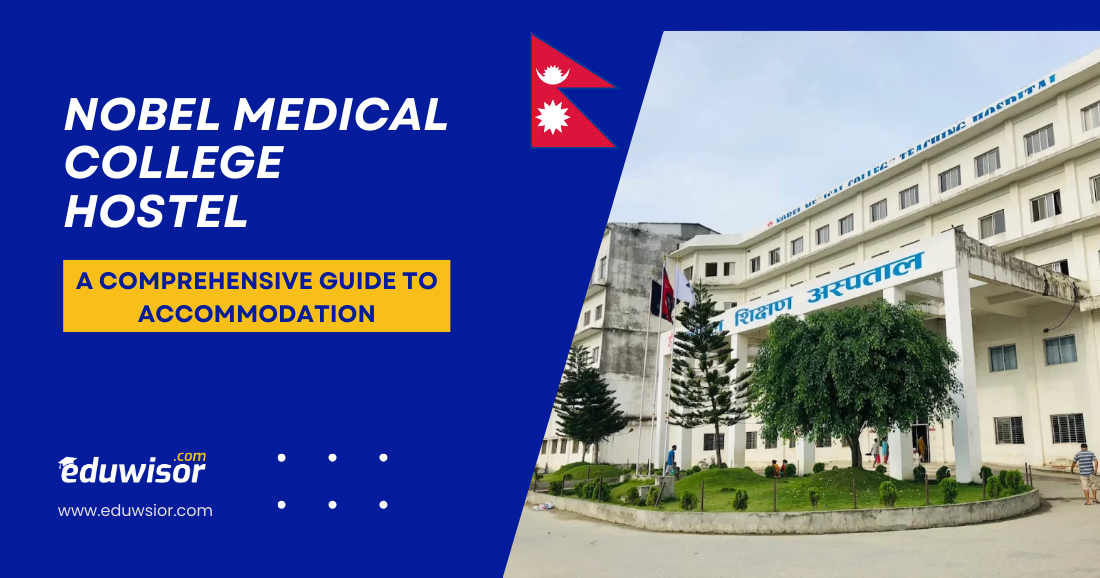
Choosing the right medical college is a monumental decision for any aspiring doctor. But equally important is selecting the right place to live during those demanding years of study. For students of Nobel Medical College in Biratnagar, Nepal, the on-campus hostel is often the first and most convenient choice. This comprehensive guide delves into every aspect of the Nobel Medical College hostel, providing you with an in-depth look at the accommodation, amenities, community, and practical details that will shape your home away from home.
Introduction to Nobel Medical College and Its Campus
Nobel Medical College Teaching Hospital (NMCTH), established in 2006, is one of Nepal’s premier institutions for medical education. Affiliated with Kathmandu University, it offers MBBS, BDS, Nursing, and various postgraduate programs. The college is located in Biratnagar, the economic hub of eastern Nepal, providing a vibrant urban environment alongside its academic rigor.
The campus design places academic blocks, teaching hospitals, libraries, and student hostels in close proximity to form a self-contained ecosystem. This integrated design minimizes commute time, a precious commodity for medical students buried under a heavy academic workload. The Nobel Medical College hostel system is a cornerstone of this design, aiming to provide a safe, supportive, and focused living environment for its diverse student body, which includes a significant number of international students from India, Sri Lanka, Bangladesh, and beyond.
Overview of Nobel Medical College Hostel Accommodation
The hostel premises separate students by gender, with individual buildings for male and female students. This standard practice in Nepalese medical colleges ensures privacy and comfort. Multi-storied hostels serve students with functionality and welfare as their primary goal.
Types of Rooms:
The Nobel Medical College hostel rooms are typically offered on a sharing basis. The common configurations include:
- Double-Sharing Rooms: These are the most common. They house two students, providing each with a bed, study table, chair, and cupboard. These rooms strike a balance between social interaction and personal space.
- Triple-Sharing Rooms: To accommodate more students and offer a more economical option, some rooms house three occupants. The furniture arrangement maximizes the available space efficiently.
- The college has a limited number of single rooms. They usually allocate these based on specific needs and availability, and sometimes charge a higher fee. Students highly seek them for the absolute privacy they offer.
Every room is designed to be a sanctuary for study and rest. They are generally furnished with:
- A sturdy bed with a mattress.
- Individual study tables and ergonomic chairs—a critical feature for long hours of study.
- Ample storage space with wardrobes or cupboards.
- Adequate lighting with both central and study lamps.
- Fans and/or air-cooling systems to combat Biratnagar’s humid climate.
- High-speed Wi-Fi connectivity points (with some regulations).
The windows offer views of the campus, and the walls are often plain, allowing students to personalize their space with photographs, charts, or inspirational quotes.
Detailed Look at Hostel Facilities and Amenities
A hostel is more than just a room. Nobel Medical College’s hostel facilities support the holistic well-being of a medical student. Let’s break them down:
1. Dining and Nutrition: The Hostel Mess
The mess or cafeteria is the heart of the hostel’s social life. The Nobel Medical College hostel food focuses on hygiene, nutrition, and taste to cater to a diverse palate.
- Meal Structure: Typically, the mess provides four meals a day: breakfast, lunch, evening tea/snacks, and dinner. A committee that often includes student representatives plans the cyclical menu.
- Cuisine: Given the large number of Indian students, North Indian and Nepali cuisine forms the base. Airlines (or event organizers) make efforts to include continental and other regional options. They sometimes arrange special meals on festivals.
- Hygiene: The kitchen and dining areas are maintained under strict hygienic standards. Regular inspections are conducted to ensure food safety.
- Flexibility: Some hostels operate on a fixed monthly mess charge included in the fees, while others might have a coupon or card system.
2. Academic Support Facilities
Understanding the intense study requirements, the hostel provides:
- Common Study Rooms: Quiet, well-lit halls with large tables where students can gather for group discussions or solo study sessions beyond their rooms.
- 24/7 Electricity and Internet: Uninterrupted power supply (backed by generators) and reliable Wi-Fi are non-negotiable for accessing online journals, attending virtual lectures, and completing assignments.
- Library Proximity: The central college library is within walking distance, allowing for late-night study sessions.
3. Health and Wellness
- On-Campus Medical Care: Being part of a teaching hospital complex is a significant advantage. The college hospital is steps away, and basic medical care for students is readily accessible.
- Sports and Recreation: Most campuses feature grounds for cricket, football, and basketball. Indoor game facilities like table tennis, carrom, and chess are often available in common rooms. Regular physical activity is encouraged to combat stress.
- Gymnasium: A well-equipped gym is a common feature, allowing students to maintain fitness on their own schedules.
4. Security and Safety
The Nobel Medical College hostel safety protocols are stringent.
- 24/7 Security Personnel: Guarded gates and round-the-clock patrols ensure only authorized individuals enter the premises.
- CCTV Surveillance: Common areas, entrances, and corridors are under camera surveillance.
- The college maintains strict entry/exit logs. All visitors must register, and authorities enforce curfew timings, especially for female hostels, to ensure student safety
- Fire extinguishers and clearly marked exits are standard features in all buildings.
5. Laundry and Housekeeping
- Laundry Services: Most hostels provide mechanized laundry services, either included in the fees or at a nominal charge. Students typically get their clothes washed and ironed on a weekly schedule.
- Regular Cleaning: Housekeeping staff clean common areas, washrooms, and corridors daily. Room cleaning is usually the responsibility of the occupants, though some services may be provided.
The Social and Cultural Fabric: Hostel Life at Nobel Medical College
Living in the Nobel Medical College hostel is a defining experience. It’s a microcosm of culture, friendship, and shared struggles.
- Building Lifelong Bonds: Your roommates and floor-mates become your second family. The shared experience of surviving exams, celebrating festivals away from home, and supporting each other through personal challenges forges unbreakable bonds.
- Cultural Melting Pot: With students from across Nepal, India, and other countries, the hostel is a vibrant cultural exchange. Food festivals, language exchanges, and celebrating diverse festivals like Dashain, Tihar, Diwali, and Eid are common.
- Student Committees: Hostels often have student-run committees (mess committee, cultural committee, sports committee) that give residents a voice in daily affairs and organize events, fostering leadership skills.
- The Balance of Freedom and Responsibility: For many, it’s the first time living independently. This teaches immense personal responsibility—managing time, finances, and health amidst a demanding schedule.
Rules, Regulations, and Guidelines
To maintain discipline and a conducive environment, students must adhere to the clear Nobel Medical College hostel rules. These typically include:
- Attendance and Curfew: Mandatory roll-calls and strict curfew timings, especially for night-time.
- Visitor Policies: Guidelines on when and where visitors (including parents) are allowed.
- Prohibited Items: Restrictions on electrical appliances (like heaters, induction cooktops) for safety, and strict bans on alcohol, drugs, and smoking within premises.
- Noise Discipline: Maintaining quiet hours, particularly during exam periods.
- Asset Care: Students are responsible for the furniture and fixtures in their rooms.
Violations can lead to warnings, fines, or in severe cases, termination of hostel accommodation.
Financial Aspects: Fees, Costs, and Payment
The Nobel Medical College hostel fees are a significant part of the overall cost of education. The fee structure is generally annual and covers:
- Accommodation Charge: For the room.
- Mess/Food Charge: For the catering services.
- Utility Charges: For electricity, water, and internet.
- Security Deposit: A one-time refundable deposit paid at the time of admission.
It is crucial to get the official, detailed fee breakdown from the college administration, as costs can vary based on the room type (double or triple) and are subject to change. You must often pay the fees at the start of the academic year or in installments, as the college policy requires.
How to Secure a Hostel Seat: The Admission Process
Securing a seat in the Nobel Medical College hostel is usually linked to the academic admission process.
- College Admission: First, secure your admission into an MBBS, BDS, or other program at Nobel Medical College.
- Hostel Application: Upon admission, you will be given a hostel application form. Indicate your preference and provide necessary details.
- Allocation: Hostel seats are allocated on a first-come, first-served basis, often considering the distance of the student’s hometown. International students are usually given priority for on-campus housing.
- Documentation & Payment: Submit required documents (ID proofs, photographs) and pay the requisite fees to confirm your booking.
Tip: Apply for the hostel at the earliest possible moment after your academic admission is confirmed due to high demand.
Pros and Cons of Living On-Campus
Pros:
- Ultimate Convenience: A 5-minute walk to lectures, labs, and the library saves invaluable time.
- Safety and Security: The controlled environment is a major relief for parents and students.
- Built-in Community: Instant access to a peer group for both academic and social support.
- Cost-Effective: When compared to renting and managing an independent apartment with food, utilities, and security, the hostel is often more economical.
- Focus on Studies: Removes the hassles of house-hunting, dealing with landlords, and utility bills.
Cons:
- Less Privacy: Shared rooms mean limited personal space.
- Rules and Restrictions: Curfews and regulations can feel restrictive to some.
- Limited Autonomy: You have to adhere to mess menus and hostel schedules.
- Noise and Distractions: A hostel is naturally a lively place, which can sometimes be distracting.
Exploring Alternatives: Off-Campus Housing Near Nobel Medical College
For students who prefer more independence or if hostel seats are unavailable, there are numerous off-campus housing options near Nobel Medical College. Areas like Bhanu Chowk, Tankisinwari, and Rangeli Road are popular.
- Private Hostels/PGs: These are privately run accommodations that often mimic college hostels with food and lodging packages. They can be more flexible but require thorough vetting for safety and food quality.
- Rental Apartments: Students often form groups to rent flats or houses. This offers maximum freedom but comes with the responsibilities of setting up utilities, hiring a cook, and managing security.
Choosing off-campus? Consider proximity to college, safety of the neighborhood, reliability of water and electricity, and the terms of the rental agreement carefully.
Testimonials and Reviews from Current and Former Residents
“The hostel was my home for five years. The initial adjustment was tough, but the friends I made on my floor became my support system. The mess food was decent, and the ability to just walk to the hospital for a night duty was a lifesaver. Yes, the rules were strict, but they taught us discipline.” – Dr. Anjali S., Alumni (MBBS Batch of 2021).
“As an international student from Kerala, I was nervous. But the hostel warden and seniors were very helpful. The diversity in the hostel helped me understand different cultures. The study room was my second home during exam season!” – Rahul M., 3rd Year MBBS Student.
“The Wi-Fi speed could be better during peak hours, and sometimes the water supply is an issue, which is common in Biratnagar. But overall, the convenience outweighs these minor hiccups.” – Priya T., 2nd Year BDS Student.
Essential Tips for Incoming Hostel Residents
- Pack Smart: Bring comfortable clothes, study lamps, a mattress pad for extra comfort, basic medicines, and your essential academic materials. Don’t overpack; you can buy most things locally.
- Be Open-Minded: Be ready to embrace different cultures, habits, and personalities. Compromise and communication are key.
- Manage Your Time: The freedom can be intoxicating. Create a structured routine that balances study, recreation, and sleep.
- Get Involved: Join committees, play sports, and participate in events. It’s the best way to integrate.
- Respect the Rules: Understand that rules are there for collective safety and harmony.
- Stay Connected with Family: Regular calls back home help manage homesickness.
Conclusion: Is the Nobel Medical College Hostel the Right Choice for You?
The Nobel Medical College hostel is designed to be more than just a dormitory; it’s an integral part of your medical education journey. It provides a structured, secure, and immersive environment that allows you to focus entirely on the rigorous task of becoming a doctor. For the vast majority of students, especially those new to Biratnagar or Nepal, it is the recommended and most practical choice.
It offers a unique blend of academic convenience, community living, and essential care, all within the campus perimeter. While it requires adaptability and respect for communal living, the rewards—in terms of time saved, friendships forged, and memories created—are immense.
Before making your decision, weigh the pros and cons against your personal preferences for independence and privacy. If possible, try to connect with current students through official college channels to get the most recent, firsthand perspective.
Your years at medical college will be challenging, transformative, and unforgettable. Where you live will form the backdrop to this incredible journey. Choose wisely.
Eduwisor always guides students toward the right path with an unbiased approach. You can follow us on Youtube, Facebook, Instagram, Twitter, and Linkedin. Stay tuned for regular updates.
Interested in applying? Contact authorized Eduwisor consultant for a smooth admission process!
Act NOW—limited seats for 2026 intake! Call/WhatsApp: 9326395883/ 9076036383
