

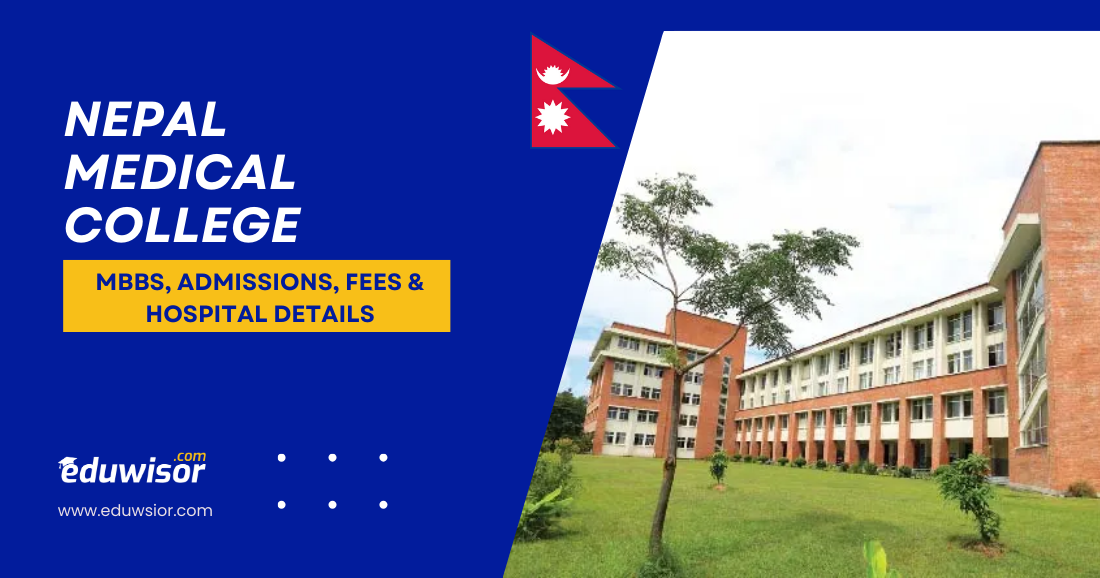
Nestled in the serene and culturally rich environs of Jorpati, Kathmandu, Nepal Medical College (NMC) stands as a pillar of medical education and healthcare service in Nepal. Established with a visionary mission to produce competent, compassionate, and community-oriented medical professionals, NMC has carved a niche for itself since its inception. Affiliated with Kathmandu University and recognized by the Nepal Medical Council, the NMC Kathmandu complex isn’t just an academic institution; it’s a vibrant ecosystem comprising a robust teaching hospital, advanced research facilities, and a nurturing environment for students from across Nepal and the globe.
For aspiring doctors, choosing the right medical college is a pivotal decision. This comprehensive, 6000-word guide delves deep into every facet of Nepal Medical College, providing prospective students and their families with an exhaustive resource. From the intricacies of the NMC admission process to the daily life in its hostels, from the cutting-edge work at the NMC Teaching Hospital to the details of the NMC fee structure, we leave no stone unturned. Whether you are a domestic student aiming for a coveted MBBS seat or an international student exploring MBBS in Nepal, this article serves as your definitive guide to understanding why NMC is a top choice for medical education in Nepal.
Chapter 1: The Legacy and Vision of Nepal Medical College
1.1 Historical Foundation and Growth
Nepal Medical College was established in 1997, a period marked by a growing need for quality medical professionals within the country. Founded under the umbrella of the Nepal Medical College Teaching Hospital (NMCTH) trust, its primary objective was to bridge the gap between healthcare demand and supply by producing skilled doctors. Over two decades, NMC has grown exponentially from a fledgling institution to one of the most sought-after medical colleges in Nepal. Its commitment to adhering to international standards while addressing local health challenges has been the cornerstone of its evolution.
The college’s affiliation with Kathmandu University, known for its rigorous academic standards, further solidified its reputation. This partnership ensures that the curriculum is dynamic, updated with modern medical advancements, and globally competitive. The recognition by the Nepal Medical Council (NMC) and listing in the World Directory of Medical Schools (WDOMS) are testaments to its credibility, enabling graduates to pursue careers and further education worldwide.
1.2 Vision, Mission, and Core Values
The enduring success of NMC is rooted in its clearly defined vision and mission:
- Vision: To be a center of excellence in medical education, healthcare, and research, producing globally competent and socially responsible health professionals.
- Mission: To provide comprehensive, evidence-based medical education integrated with clinical exposure from the early years; to deliver ethical, patient-centric healthcare services; and to foster innovative research that addresses community health issues.
The core values permeating every activity at NMC are Excellence, Compassion, Integrity, and Social Responsibility. These are not just ideals but practiced principles, evident in the demeanor of its faculty, the quality of its patient care at the teaching hospital, and the holistic development of its students.
1.3 Accreditations and Recognitions: A Hallmark of Quality
A critical factor for any student is the legitimacy and global standing of their degree. Nepal Medical College holds prestigious accreditations:
- Full Affiliation: Kathmandu University (KU)
- Recognition: Nepal Medical Council (NMC)
- International Recognition: Listed in the World Directory of Medical Schools (WDOMS)
- Eligibility: Graduates are eligible to sit for major international licensing exams like the USMLE (United States), PLAB (UK), AMC (Australia), and the screening tests in India (NEXT), among others.
This robust framework of accreditation ensures that an MBBS degree from Nepal Medical College is a valuable and transferable qualification, opening doors to global opportunities.
Chapter 2: Academic Excellence: The MBBS Program and Beyond
2.1 The MBBS Curriculum at NMC Kathmandu
The flagship program at NMC is the Bachelor of Medicine and Bachelor of Surgery (MBBS), a five-and-a-half-year course that includes one year of compulsory rotating internship. The curriculum is meticulously structured following the guidelines of Kathmandu University and the Nepal Medical Council, blending basic medical sciences with extensive clinical rotations.
The program is divided into three distinct phases:
- Pre-Clinical Phase (1st – 1.5 years): This phase builds the scientific foundation. Students engage in deep study of subjects like Human Anatomy (with extensive cadaver dissection), Physiology, Biochemistry, and Community Medicine. The state-of-the-art laboratories and dedicated anatomy dissection hall provide a hands-on learning environment from the very beginning.
- Para-Clinical Phase (1.5 years): This phase acts as a bridge, introducing students to the principles of disease. Key subjects include Pathology, Microbiology, Pharmacology, and Forensic Medicine. Teaching methodologies integrate theory with practical demonstrations, case studies, and early clinical postings.
- Clinical Phase (2 years): The final phase is immersive, where students rotate through various departments of the NMC Teaching Hospital. These clinical postings in Medicine, Surgery, Pediatrics, Obstetrics & Gynecology, Orthopedics, Psychiatry, and other specialties form the crux of practical learning. Under the supervision of senior consultants and faculty, students learn patient examination, diagnosis, and treatment planning.
2.2 Teaching Methodology: Beyond Textbooks
Nepal Medical College employs a student-centric, integrated teaching approach:
- Integrated Lectures: Topics are taught linking basic sciences to clinical applications, fostering a better understanding of disease processes.
- Problem-Based Learning (PBL): Small group discussions centered around real clinical cases enhance critical thinking and problem-solving skills.
- Bedside Clinical Training: The attached NMC Hospital provides an invaluable resource for hands-on training. From the third year onwards, students spend significant time in wards and OPDs.
- Skill Labs: Modern simulation labs allow students to practice clinical procedures on mannequins before performing them on real patients, ensuring safety and competence.
- Regular Assessments: A continuous evaluation system comprising internal exams, practicals, viva-voce, and logbook maintenance ensures consistent academic progress.
2.3 Faculty: The Pillars of NMC
The strength of any institution lies in its faculty. NMC boasts a highly qualified, experienced, and dedicated team of professors, associate professors, and assistant professors. Many hold postgraduate qualifications from reputed institutions in Nepal and abroad. Their commitment extends beyond the classroom, as they mentor students in research projects, clinical practice, and personal development. The low student-to-teacher ratio in practical and clinical sessions ensures personalized attention.
2.4 Other Academic Programs
While MBBS is the cornerstone, Nepal Medical College also offers postgraduate (MD/MS) programs in various clinical and basic science specialties, further solidifying its role as a complete academic hub. These programs are highly competitive and contribute significantly to the academic milieu of the campus.
Chapter 3: The Heart of Clinical Training: Nepal Medical College Teaching Hospital
3.1 An Overview of the Teaching Hospital
The Nepal Medical College Teaching Hospital (NMCTH), located within the same complex in Jorpati, is an integral part of the learning experience. It is not just an affiliated hospital; it is the primary clinical training ground for NMC students. With over 700 beds, the hospital is a tertiary care center providing comprehensive healthcare services to the community of Kathmandu and beyond.
3.2 Departments and Specialized Services
The hospital is a multi-specialty center equipped with modern technology. Key departments include:
- General Medicine & Cardiology: Managing a wide spectrum of medical illnesses.
- General Surgery & Super-Specialties: Including Neurosurgery, Cardiothoracic, and Urology.
- Pediatrics & Neonatology: With a modern NICU for critical newborn care.
- Obstetrics & Gynecology: Handling high-risk pregnancies and complex gynecological cases.
- Orthopedics & Trauma Center: A 24/7 emergency and trauma care unit.
- Diagnostic Services: Advanced Radiology (CT Scan, MRI, Ultrasound), Pathology, and Microbiology labs.
The high patient inflow across these departments guarantees that NMC students are exposed to a vast and varied case mix, which is crucial for building clinical acumen.
3.3 Learning Through Service: The Clinical Postings
The synergy between the college and the hospital is seamless. From the para-clinical phase, students begin visiting the hospital for demonstrations. During the clinical phase, they are assigned in units, participating in ward rounds, outpatient clinics, emergency duties, and even observing surgeries. This “see one, do one, teach one” philosophy, under strict supervision, prepares them for the realities of medical practice. The NMC internship year is entirely hospital-based, where interns work as junior colleagues, taking on significant responsibilities in patient management.
Chapter 4: The Road to Admission: Process, Eligibility, and Fees
4.1 Admission Eligibility for MBBS at NMC
Admission to the MBBS program at Nepal Medical College is competitive and follows strict guidelines.
For Nepali Students:
- Completion of 10+2 or equivalent with Physics, Chemistry, and Biology as main subjects.
- Minimum aggregate GPA as prescribed by Kathmandu University (usually 3.0 or above in individual subjects and overall).
- A valid score in the Kathmandu University Medical Entrance Test (KUMET). The ranking in this national-level exam determines seat allocation.
For International Students (including Indian students):
- Completion of 10+2 with Physics, Chemistry, and Biology, with a minimum of 50% aggregate marks (requirements may vary).
- Eligibility as per the guidelines of the respective country’s medical council (e.g., Indian students must have qualified NEET).
- Direct application to the college or through authorized representatives, often based on merit in the qualifying examination.
4.2 The Admission Process: A Step-by-Step Guide
- Entrance Exam & Application: Nepali candidates must appear for KUMET. All candidates must submit an application form to NMC within the specified deadline, along with required documents (academic transcripts, citizenship/passport, photos).
- Merit List & Counseling: Based on entrance ranks (for Nepalis) or academic merit (for international students), a merit list is published. Shortlisted candidates are called for counseling.
- Document Verification & Seat Allotment: During counseling, original documents are verified, and seats are allotted based on merit and preference.
- Fee Payment & Enrollment: Selected candidates must pay the first installment of the NMC fee structure to confirm their seat and complete the enrollment formalities.
4.3 Nepal Medical College Fee Structure: An Investment in Your Future
The NMC fee structure is transparent and comprehensive. It covers tuition, laboratory, library, hospital, and examination fees. While fees are subject to periodic revision, they are generally considered competitive for the quality of education offered, especially for international students compared to private colleges in other countries.
- For Nepali Students: The total fee is structured as per the guidelines of Kathmandu University and is paid in installments over the 5.5 years.
- For International Students: The fee is typically quoted as a total lump sum or in annual installments in US Dollars. It is crucial for international applicants to confirm the exact current fees directly from the college’s international student wing.
Financial aspects like the NMC scholarship programs for deserving and needy Nepali students are also available, often based on merit or economic background.
Chapter 5: Campus Life and Student Support at Nepal Medical College Jorpati
5.1 The Campus Infrastructure
The Nepal Medical College campus in Jorpati is a self-contained haven for learning. It houses:
- Academic Blocks: Spacious, well-ventilated lecture halls with audio-visual aids.
- Central Library: A vast repository of medical textbooks, national and international journals, and online databases accessible to students.
- Laboratories: Fully equipped labs for Anatomy, Physiology, Biochemistry, Pathology, Microbiology, and Pharmacology.
- Auditorium: Used for seminars, conferences, and cultural events.
- Common Rooms & Cafeterias: Spaces for students to relax and socialize.
5.2 Hostel and Accommodation Facilities
NMC provides separate, secure, and well-managed NMC hostel facilities for male and female students, both domestic and international. The hostels are located within or near the campus, offering:
- Furnished rooms (single/double/triple occupancy).
- 24/7 water and electricity supply with backup generators.
- Common study rooms, recreation rooms, and gym facilities.
- Hygienic mess/canteen services providing nutritious meals.
- High-speed internet connectivity.
- Tight security with CCTV surveillance.
The hostel life is a vital part of the NMC experience, fostering camaraderie, peer learning, and a sense of community among future doctors.
5.3 Extracurricular Activities and Student Societies
Life at NMC is not all about academics. The college encourages holistic development through various clubs and societies:
- Medical Society: Organizes academic conferences, workshops, and guest lectures.
- Sports Club: Arranges annual sports competitions in football, basketball, cricket, etc.
- Cultural Society: Hosts festivals, talent shows, and cultural programs, celebrating the diversity of the student body.
- Social Service Club: Involves students in community health camps, awareness drives, and volunteer activities, reflecting the college’s value of social responsibility.
These activities are essential for stress management, building leadership skills, and creating a well-rounded personality.
5.4 Support for International Students
Nepal Medical College has a significant cohort of international students, particularly from India, Sri Lanka, and other SAARC nations. The college offers dedicated support:
- An International Student Cell to assist with admissions, visas, and acclimatization.
- Cultural sensitivity and a welcoming environment.
- Senior mentorship programs to help newcomers adjust to the academic and cultural landscape of Nepal.
Chapter 6: Life After NMC: Career Prospects and Alumni Network
6.1 The Compulsory Internship and Licensing
Upon successful completion of the final MBBS exams, every graduate must undertake a compulsory rotating internship for one year, primarily at the NMC Teaching Hospital or other approved hospitals. This internship is a paid position and provides invaluable real-world experience. After the internship, graduates must register with the Nepal Medical Council to obtain a permanent medical license to practice in Nepal.
6.2 Pursuing Postgraduate Studies (MD/MS)
Many NMC graduates choose to specialize further. They can:
- Appear for postgraduate entrance exams in Nepal for MD/MS seats at NMC or other institutions.
- Prepare for and clear international licensing exams (USMLE, PLAB, etc.) to pursue residency and specialization abroad.
- The strong foundation provided by NMC makes its graduates competitive candidates for these pathways.
6.3 Career Pathways
An MBBS graduate from Nepal Medical College has diverse career options:
- Clinical Practice: Join government or private hospitals, or start a private clinic.
- Higher Education & Research: Pursue an academic career as a faculty member in medical colleges.
- Public Health: Work with NGOs, INGOs, or government health programs.
- Healthcare Administration: Manage hospitals and healthcare institutions.
- Opportunities Abroad: With the global recognition of the degree, opportunities for practice and further studies are available worldwide.
6.4 The NMC Alumni Network
The college has a growing and active alumni network spread across Nepal and the globe. This network serves as a professional resource for job opportunities, collaborations, and mentorship for current students and fresh graduates.
Chapter 7: Frequently Asked Questions (FAQs)
Q1: What is the NMC ranking among medical colleges in Nepal?
A: Nepal Medical College consistently ranks among the top 10 private medical colleges in Nepal. Its ranking is bolstered by its strong academic output, infrastructure, and the reputation of its teaching hospital.
Q2: Is the MBBS degree from NMC valid in India?
A: Yes. NMC is recognized by the Nepal Medical Council and listed in WDOMS. Indian students who have qualified NEET are eligible to practice in India after clearing the National Exit Test (NEXT) as per the new NMC (India) guidelines.
Q3: What is the medium of instruction at NMC?
A: The medium of instruction is English for all lectures, exams, and clinical communications. This makes it accessible for both Nepali and international students.
Q4: How safe is the NMC hostel and the Jorpati area for students, especially females?
A: The hostels are highly secure with strict entry protocols, wardens, and security personnel. The Jorpati area is a suburban, academic hub and is generally considered safe. The college administration takes student safety very seriously.
Q5: Does NMC provide NMC scholarship facilities?
A: Yes, NMC offers scholarships for a limited number of meritorious and financially disadvantaged Nepali students. Details are available during the admission counseling process.
Q6: What is the student community like at NMC?
A: NMC has a diverse and vibrant student community comprising students from all over Nepal and several other countries, fostering a rich multicultural environment.
Conclusion: Why Choose Nepal Medical College?
Choosing a medical college is choosing the foundation of your lifelong career as a healer. Nepal Medical College (NMC) offers a compelling proposition:
- Proven Academic Legacy: A track record of over two decades in producing skilled doctors.
- Integrated Clinical Exposure: Unparalleled hands-on training at its own 700+ bed teaching hospital from early years.
- Globally Recognized Degree: Opening doors to opportunities across the world.
- Holistic Development: A balanced focus on academics, research, ethics, and extracurricular activities.
- Supportive Ecosystem: From experienced faculty and modern facilities to secure hostels and a vibrant campus life.
For the aspiring doctor seeking a rigorous, compassionate, and globally-oriented medical education in the heart of Nepal, Nepal Medical College in Jorpati, Kathmandu, stands out as a premier destination. It is more than an institution; it is a launchpad for a fulfilling journey in medicine.
Eduwisor always guides students toward the right path with an unbiased approach. You can follow us on Youtube, Facebook, Instagram, Twitter, and Linkedin. Stay tuned for regular updates.
Interested in applying? Contact authorized Eduwisor consultant for a smooth admission process!
Act NOW—limited seats for 2026 intake! Call/WhatsApp: 9326395883/ 9076036383
