

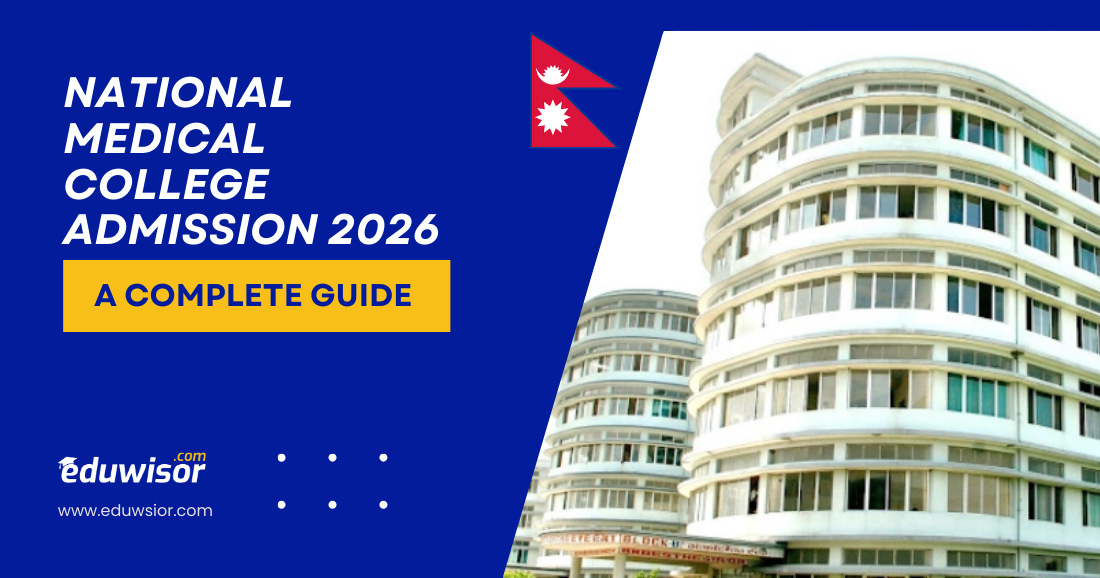
National Medical College, located in Birgunj, Nepal, stands as one of the premier institutions for medical education in South Asia. Established with the vision of producing competent, compassionate, and ethical medical professionals, the college has become a sought-after destination for aspiring doctors from Nepal, India, and other countries. The admission process at National Medical College is rigorous, transparent, and designed to select the most capable candidates who will uphold the institution’s legacy of excellence in medical education and healthcare service.
This comprehensive guide delves into every aspect of the National Medical College admission process, providing prospective students with invaluable insights, practical advice, and strategic approaches to navigate this competitive journey successfully. Whether you’re a high school student contemplating a medical career or a parent seeking the best medical education for your child, this article serves as your definitive resource.
Chapter 1: Understanding National Medical College
1.1 Historical Background and Accreditation
National Medical College was established in 2001 under the auspices of the National Medical College and Teaching Hospital Pvt. Ltd. The institution is affiliated with Tribhuvan University, Nepal’s oldest and most prestigious university, and is recognized by the Nepal Medical Council. For international students, particularly from India, the college holds recognition from the Medical Council of India (now National Medical Commission), making degrees obtained here valid for practice in India after clearing the Foreign Medical Graduates Examination (FMGE).
The college’s teaching hospital, with its 700-bed capacity, serves as a crucial healthcare provider in the region while offering exceptional clinical exposure to students. This integration of education and practical healthcare delivery creates an immersive learning environment that distinguishes National Medical College from many other institutions.
1.2 Vision, Mission, and Educational Philosophy
The college operates on a foundational philosophy that combines academic excellence with ethical medical practice. Its vision centers on becoming a center of excellence in medical education, research, and healthcare delivery in South Asia. The mission focuses on producing competent medical professionals equipped with comprehensive knowledge, clinical skills, and humanitarian values.
This educational philosophy translates into a curriculum that balances theoretical knowledge with extensive practical exposure. The institution emphasizes evidence-based medicine, patient-centered care, and community health orientation—values that permeate the entire admission and educational process.
1.3 Campus Infrastructure and Facilities
Spread over 50 acres in Birgunj, the National Medical College campus boasts state-of-the-art infrastructure designed to support holistic medical education:
Academic Facilities:
- Modern lecture halls with audio-visual equipment
- Well-equipped laboratories for anatomy, physiology, biochemistry, pathology, microbiology, and pharmacology
- Advanced skill labs for clinical training
- Extensive medical library with digital resources and online databases
- Computer labs with medical simulation software
Clinical Training Resources:
- 700-bed teaching hospital with all major specialties
- Advanced diagnostic facilities including CT scan, MRI, digital X-ray, and ultrasound
- Fully equipped intensive care units (ICUs)
- Modern operation theaters with laparoscopic facilities
- Separate outpatient and inpatient departments
Student Amenities:
- Separate hostel facilities for male and female students with modern amenities
- Recreational facilities including sports complex, gymnasium, and indoor games
- Cafeteria serving hygienic and nutritious meals
- Transportation services
- Wi-Fi enabled campus
Chapter 2: National Medical College Admission Overview
2.1 Programs Offered
While the flagship program is the MBBS (Bachelor of Medicine and Bachelor of Surgery), National Medical College also offers:
- BDS (Bachelor of Dental Surgery)
- Nursing programs (BSc Nursing)
- Paramedical courses
- Postgraduate medical programs (MD/MS) in various specialties
This guide primarily focuses on the MBBS admission process, which attracts the majority of applicants and represents the core of the institution’s educational offerings.
2.2 Annual Intake and Seat Distribution
National Medical College admits approximately 100 students to its MBBS program annually. The seat distribution typically follows this pattern:
- 50% seats reserved for Nepalese students
- 40% seats allocated for Indian students
- 10% seats open for other international students (SAARC and non-SAARC countries)
Within these categories, there are further reservations as per government regulations, including quotas for disadvantaged groups, remote area residents, and other designated categories in Nepal. For Indian students, the admission is primarily based on NEET-UG scores, with some seats potentially available through management quotas under specific conditions.
2.3 Academic Calendar and Admission Timeline
The academic year at National Medical College typically begins in September/October. The admission process follows this general timeline:
December-January: Release of admission notices and information brochures
January-February: Application period for entrance examinations
March-April: Conduct of entrance examinations (for Nepalese students)
April-May: NEET-UG examination in India (for Indian students)
May-June: Result declaration and merit list preparation
June-July: Counseling sessions and seat allocation
July-August: Document verification and fee payment
September-October: Commencement of classes
Prospective students should note that these dates are approximate and subject to change based on university schedules, government regulations, and other factors. Regular monitoring of the official National Medical College website is essential for accurate timeline information.
Chapter 3: Eligibility Criteria for National Medical College Admission
3.1 Academic Qualifications
For Nepalese Students:
- Successful completion of 10+2 or equivalent with Physics, Chemistry, and Biology as major subjects
- Minimum aggregate percentage: 50% in PCB (Physics, Chemistry, Biology) for general category
- For reserved categories, a relaxation of 5-10% may apply as per government regulations
- Must have passed each subject (Physics, Chemistry, Biology) individually
- Qualification in the entrance examination conducted by the Institute of Medicine (IOM), Tribhuvan University, or equivalent authorized body
For Indian Students:
- Completion of 10+2 with Physics, Chemistry, Biology/Biotechnology, and English
- Minimum 50% aggregate in PCB for general category (40% for reserved categories)
- Must have qualified NEET-UG with the minimum percentile as prescribed by the National Medical Commission (NMC)
- Age limit: Minimum 17 years as of December 31 of the admission year
For Other International Students:
- Equivalent of 10+2 with Physics, Chemistry, and Biology
- Minimum 50% aggregate in science subjects
- Proficiency in English language
- Eligibility as per the guidelines of the respective country’s medical council and Nepal Medical Council
3.2 Entrance Examination Requirements
Nepalese Students: Must appear for the Medical Education Entrance Examination conducted by the Institute of Medicine (IOM) under Tribhuvan University. The exam typically consists of 200 multiple-choice questions covering Physics, Chemistry, Botany, and Zoology.
Indian Students: Must qualify NEET-UG (National Eligibility cum Entrance Test – Undergraduate) conducted by the National Testing Agency (NTA) in India. The NEET-UG score is valid for admission to National Medical College.
Other International Students: May need to provide scores from recognized medical entrance examinations from their home countries or appear for tests specified by the college.
3.3 Age and Nationality Requirements
- Minimum age: 17 years as of December 31 of the admission year
- Maximum age: No upper limit for Nepalese students; for Indian students, as per NEET guidelines (currently 25 years for general category with 5-year relaxation for reserved categories)
- Valid passport and citizenship documents as applicable
- For Indian students, eligibility certificate from the National Medical Commission may be required
3.4 Medical Fitness Criteria
All admitted students must meet specific medical fitness standards, including:
- Freedom from contagious diseases that may interfere with medical training
- Physical and mental fitness to undertake rigorous medical education
- Specific vision and hearing requirements
- Vaccination records as per college policy
A thorough medical examination is conducted after provisional admission, and final admission is contingent upon meeting all health criteria.
Chapter 4: The National Medical College Admission Process: Step-by-Step
4.1 Application Procedure
Step 1: Obtaining Application Form
- Online: Available on the official National Medical College website during the application period
- Offline: Can be collected from the college admission office or designated centers
- For Indian students: Application is typically through authorized counseling agencies or directly to the college after NEET results
Step 2: Filling the Application Form
- Personal details: Name, date of birth, citizenship/passport information
- Academic details: Marksheets of 10th and 10+2 examinations
- Contact information: Permanent and correspondence addresses
- Entrance examination details: Roll number, score, rank
- Category certificate if applicable (for reserved categories)
- Recent passport-size photographs
Step 3: Application Submission
- Submission deadline strictly adhered to
- Required documents to be attached (self-attested copies)
- Application fee payment through specified modes
- Acknowledgement receipt preservation for future reference
4.2 Entrance Examination Process
For Nepalese Students:
The Medical Education Entrance Examination is typically conducted in major cities across Nepal. Key aspects include:
- Examination pattern: 200 MCQs (50 each from Physics, Chemistry, Botany, Zoology)
- Duration: 3 hours
- Marking scheme: +1 for correct answer, 0 for unanswered, no negative marking in some years (check current pattern)
- Syllabus: Based on 10+2 science curriculum of Nepal
Preparation Strategy:
- Focus on NCERT or equivalent textbooks
- Practice previous years’ question papers
- Join reputable coaching institutes if needed
- Develop time management skills for the exam
For Indian Students (NEET-UG):
NEET-UG is the single entrance examination for medical admissions in India and for Indian students seeking admission abroad. Important aspects:
- Examination pattern: 180 MCQs (45 each from Physics, Chemistry, Botany, Zoology)
- Duration: 3 hours 20 minutes
- Marking scheme: +4 for correct answer, -1 for incorrect answer
- Syllabus: Based on NCERT curriculum of Classes 11 and 12
NEET Preparation Tips:
- Start preparation at least 1-2 years in advance
- Focus on conceptual understanding rather than rote learning
- Regular practice with mock tests
- Time management during exam
- Stress management techniques
4.3 Counseling and Seat Allocation
Merit List Preparation:
- Based on entrance examination scores (IOM exam for Nepalese, NEET for Indians)
- Separate merit lists for different categories
- Tie-breaking criteria: Higher marks in Biology, then Chemistry, then Physics, then age (older candidate given preference)
Counseling Process:
- Notification to shortlisted candidates
- Document verification at counseling venue
- Choice filling for seat preference
- Seat allocation based on merit rank and availability
- Provisional admission letter issuance
Documents Required for Counseling:
- Original mark sheets and certificates of 10th and 10+2
- Entrance exam scorecard and rank letter
- Character certificate from last institution attended
- Transfer/migration certificate
- Citizenship certificate or passport
- Category certificate (if applicable)
- Medical fitness certificate
- Passport-size photographs (8-10 copies)
4.4 Fee Payment and Final Admission
After seat allocation, candidates must:
- Pay the admission fee within the stipulated time
- Submit original documents for verification
- Complete hostel formalities if opting for college accommodation
- Undergo medical examination at the college hospital
- Attend orientation program
Failure to complete any step within the specified timeframe may result in cancellation of admission and the seat being offered to the next candidate in the merit list.
Chapter 5: National Medical College MBBS Fee Structure
5.1 Detailed Fee Breakdown
The fee structure at National Medical College is competitive compared to private medical colleges in the region. The approximate total fee for the complete MBBS program is:
For Nepalese Students: NPR 40-45 lakhs (approximately USD 30,000-34,000)
For Indian Students: INR 50-60 lakhs (approximately USD 60,000-72,000)
For Other International Students: USD 70,000-80,000
Breakdown of Fees:
- Admission fee (one-time): 10-15% of total fee
- Tuition fee (per year): Distributed across 5.5 years
- Examination fee: Payable each semester/year
- Library fee: Annual charge
- Laboratory fee: For practical sessions
- Hospital fee: For clinical training facilities
- Student welfare fee: For extracurricular activities
- Security deposit (refundable): Paid at admission
- Hostel fee (optional): Separate from academic fees
- Mess charges (if staying in hostel): Monthly payment
5.2 Payment Schedule
The fee is typically payable in installments:
- First installment: At the time of admission (40-50% of total fee)
- Subsequent installments: At the beginning of each academic year
- Examination fees: Before each semester examination
The college offers flexible payment plans in some cases, and students facing genuine financial difficulties may request installment facilities.
5.3 Additional Expenses
Prospective students should budget for:
- Cost of textbooks and reference materials: NPR 50,000-1,00,000 (approximately USD 400-800)
- Medical equipment (stethoscope, lab coat, etc.): NPR 20,000-30,000 (USD 150-250)
- Living expenses (if not in hostel): NPR 15,000-25,000 per month (USD 115-190)
- Personal expenses: Variable
- Travel expenses: Especially for international students
- Visa renewal costs (for international students)
- Health insurance: Mandatory for international students
5.4 Scholarship and Financial Aid
National Medical College offers several scholarship opportunities:
Merit-based Scholarships:
- For top rankers in entrance examinations
- For students with exceptional academic records
Need-based Financial Aid:
- For economically disadvantaged students
- Documentation of family income required
Special Category Scholarships:
- For students from remote areas
- For differently-abled students
- For children of martyrs and military personnel
External Scholarships:
- Government scholarships for specific categories
- Private organization sponsorships
- Educational loans from banks and financial institutions
Prospective students should inquire about scholarship opportunities at the time of application and submit necessary documents to be considered for financial assistance.
Chapter 6: Curriculum and Academic Structure
6.1 MBBS Program Duration
The MBBS program at National Medical College follows a 5.5-year structure:
- 4.5 years of academic and clinical training
- 1 year of compulsory rotating internship
The program is divided into three phases:
- Pre-clinical Phase (1.5 years): Basic medical sciences
- Para-clinical Phase (1.5 years): Transition to clinical subjects
- Clinical Phase (1.5 years): Hospital-based clinical training
- Internship (1 year): Hands-on clinical practice
6.2 Detailed Curriculum
First Year (Pre-clinical):
- Anatomy: Gross anatomy, histology, embryology
- Physiology: Systems physiology, biophysics
- Biochemistry: Metabolic pathways, molecular biology
Second Year (Para-clinical):
- Pharmacology: Drugs and therapeutics
- Pathology: General and systemic pathology
- Microbiology: Bacteriology, virology, parasitology
- Forensic Medicine: Medical jurisprudence
- Community Medicine: Public health, epidemiology
Third Year (Clinical Sciences Part 1):
- Medicine and allied specialties
- Surgery and allied specialties
- Obstetrics and Gynecology
- Clinical postings begin
Fourth Year (Clinical Sciences Part 2):
- Pediatrics
- Orthopedics
- Ophthalmology
- ENT
- Psychiatry
- Dermatology
- Radiology
- Anesthesiology
- Intensive clinical postings
Fifth Year (Final Year):
- Revision and integration of all subjects
- Preparatory leave for final examinations
- Final professional examinations
Internship Year:
- Rotatory posting in all major departments
- Emergency department posting
- Community health center posting
- Elective posting in specialty of interest
6.3 Teaching Methodology
National Medical College employs a diverse range of teaching methodologies:
- Didactic lectures: For foundational knowledge
- Small group discussions: For interactive learning
- Problem-based learning: To develop clinical reasoning
- Skill labs: For procedural training
- Simulation training: Using mannequins and models
- Bedside teaching: Direct patient interaction under supervision
- Integrated teaching: Multidisciplinary approach to organ systems
- Research projects: To develop scientific temperament
- Community postings: For public health perspective
6.4 Assessment System
The college follows a continuous assessment system:
- Internal assessment: Regular tests, assignments, practical evaluations
- Term examinations: End of each term
- Professional examinations: At the end of each phase
- Practical/oral examinations: For clinical skills assessment
- Logbook maintenance: Record of clinical exposure and procedures
The pass criteria typically require a minimum of 50% in each subject, including separate pass requirements for theory and practical components.
Chapter 7: Campus Life and Student Support
7.1 Hostel Facilities
National Medical College provides separate hostel facilities for male and female students:
- Well-furnished rooms (single, double, or triple occupancy)
- Attached bathrooms with hot water facilities
- Common recreation rooms with television
- Study rooms and reading areas
- 24/7 security and surveillance
- Wi-Fi connectivity
- Laundry facilities
- Gymnasium and indoor games
- Visitors’ lounge
Hostel rules emphasize discipline, safety, and an environment conducive to study. Wardens and resident tutors provide supervision and support.
7.2 Food and Nutrition
The college cafeteria and hostel mess provide:
- Hygienically prepared nutritious meals
- Varied menu considering diverse student backgrounds
- Special dietary arrangements on medical grounds
- Clean drinking water and water purification systems
- Snack counters and beverage facilities
Students can also access numerous restaurants and eateries in the vicinity of the campus.
7.3 Healthcare Services
Comprehensive healthcare is available to all students:
- Free outpatient services at college hospital
- Subsidized inpatient treatment if required
- Annual health check-ups
- Vaccination programs
- Mental health counseling services
- Dental and eye check-up camps
- Health education sessions
7.4 Extracurricular Activities
National Medical College encourages holistic development through:
- Sports: Annual sports meet, inter-college tournaments
- Cultural activities: Festivals, celebrations, cultural programs
- Clubs and societies: Medical journal club, literary society, photography club
- Community outreach: Health camps, awareness programs, village adoption
- National and international conferences: Opportunities to present research
- Workshops and seminars: On various medical and non-medical topics
7.5 Student Support Services
- Academic counseling: Faculty advisors for each student
- Career guidance: For internship and postgraduate opportunities
- Psychological counseling: For stress management and mental wellbeing
- International student cell: Special support for foreign students
- Anti-ragging committee: Ensuring ragging-free campus
- Grievance redressal mechanism: For addressing student concerns
- Parent-teacher meetings: Regular interaction with parents/guardians
Chapter 8: Career Prospects After MBBS from National Medical College
8.1 Further Education Opportunities
Postgraduate Medical Education:
- MD/MS in various specialties in Nepal
- Postgraduate entrance in India (NEET-PG)
- International postgraduate opportunities (USMLE, PLAB, AMC)
- Diploma courses in specialized areas
Alternative Career Paths:
- Hospital administration and management
- Medical research and clinical trials
- Public health and epidemiology
- Medical journalism and writing
- Pharmaceutical industry
- Health insurance sector
- Medical education and teaching
8.2 Licensing and Registration
For Nepalese Graduates:
- Permanent registration with Nepal Medical Council after internship
- License to practice in Nepal
- Eligibility for government service examinations
For Indian Graduates:
- Foreign Medical Graduates Examination (FMGE) in India
- Registration with National Medical Commission after clearing FMGE
- State medical council registration
- Eligibility for NEET-PG and government service in India
For Other International Graduates:
- Relevant licensing examinations in home countries
- Credential verification processes
- Country-specific registration requirements
8.3 Employment Opportunities
Clinical Practice:
- Private practice as general physician
- Employment in hospitals and healthcare centers
- Specialist practice after postgraduate training
- Corporate hospital opportunities
Government Sector:
- Public health services
- Military medical services
- Medical officer positions in various government departments
- Teaching positions in government medical colleges
International Opportunities:
- Clinical practice abroad after clearing respective licensing exams
- Research positions in international institutions
- Public health roles in international organizations (WHO, UNICEF, etc.)
- Medical consultancy roles
8.4 Alumni Network and Placement Support
National Medical College boasts a strong alumni network spread across the globe. The placement cell assists students with:
- Internship opportunities
- Postgraduate admission guidance
- Job placement in reputed hospitals
- Networking with alumni
- Resume building and interview preparation
Chapter 9: Challenges and Solutions in Medical Admission
9.1 Common Challenges Faced by Applicants
Academic Challenges:
- Intense competition for limited seats
- High cut-off scores in entrance examinations
- Balancing board exams with entrance preparation
- Difficulty in specific subjects (often Physics or Organic Chemistry)
Financial Challenges:
- High cost of medical education
- Limited scholarship opportunities
- Additional expenses for coaching and study materials
- Living costs for outstation students
Psychological Challenges:
- Pressure from family and society
- Fear of failure
- Anxiety during examination preparation
- Decision fatigue during counseling process
Procedural Challenges:
- Navigating complex application processes
- Document verification and attestation
- Understanding reservation policies
- Deadline management for multiple applications
9.2 Strategic Solutions and Recommendations
Academic Preparation Strategies:
- Start preparation early (Class 11 onwards)
- Focus on conceptual clarity rather than rote memorization
- Regular revision and practice
- Mock test series to improve speed and accuracy
- Subject-specific strategies based on strengths and weaknesses
Financial Planning:
- Research all available scholarship options
- Explore educational loan facilities early
- Consider government medical colleges as alternatives
- Part-time opportunities during vacation periods
Mental Wellbeing:
- Maintain a balanced study schedule with breaks
- Physical exercise and recreational activities
- Counseling support when needed
- Realistic goal setting
- Family support and open communication
Application Process Management:
- Create a checklist of all requirements and deadlines
- Prepare documents well in advance
- Seek guidance from seniors or counseling services
- Apply to multiple colleges to increase chances
- Regularly check official websites for updates
9.3 Alternatives and Backup Plans
While National Medical College is an excellent institution, prospective students should consider:
- Other reputable medical colleges in Nepal
- Government medical colleges with lower fees
- Medical colleges in other countries
- Allied health professions as alternatives
- Gap year strategies for improvement and reattempt
Chapter 10: The Future of Medical Education and National Medical College
10.1 Emerging Trends in Medical Education
Technological Integration:
- Simulation-based learning
- Virtual reality in anatomy and surgery training
- Telemedicine training
- Digital medical records management
- Artificial intelligence in diagnostics
Curriculum Innovations:
- Competency-based medical education
- Early clinical exposure
- Interprofessional education
- Global health perspectives
- Research integrated curriculum
Assessment Reforms:
- Objective Structured Clinical Examinations (OSCE)
- Portfolio-based assessment
- 360-degree feedback
- Milestone assessments
10.2 National Medical College’s Future Plans
Based on available information, the college is focusing on:
- Infrastructure expansion including new academic blocks
- Enhancement of research facilities
- International collaborations for student and faculty exchange
- Introduction of new super-specialty courses
- Community outreach expansion
- Digital transformation of teaching and learning
10.3 Advice for Future Applicants
For students planning to apply in coming years:
- Stay updated with changing eligibility criteria and patterns
- Develop a strong foundation in basic sciences
- Cultivate reading habits beyond textbooks
- Develop communication and empathy skills essential for doctors
- Gain exposure to healthcare settings through volunteering
- Build a holistic profile with extracurricular achievements
- Maintain excellent academic records throughout school
- Stay informed about global trends in medicine
Conclusion: Embarking on Your Medical Journey
National Medical College admission represents the beginning of a transformative journey toward becoming a healthcare professional. The path is demanding, requiring academic excellence, perseverance, financial planning, and emotional resilience. However, for those genuinely passionate about medicine, the rewards—both personal and professional—are immense.
The admission process, while competitive, is designed to identify candidates with not just intellectual capability but also the character and commitment needed in the medical profession. Success requires a strategic approach encompassing thorough preparation, careful application, and informed decision-making.
Prospective students should remember that while gaining admission to a prestigious institution like National Medical College is significant, it is merely the first step. The real challenge and fulfillment lie in the years of rigorous training that follow and in the lifelong commitment to learning, service, and ethical practice that defines the medical profession.
As you embark on this challenging yet rewarding path, maintain your motivation, seek support when needed, and keep sight of the ultimate goal: to become a competent, compassionate healer who makes a meaningful difference in people’s lives. The journey through National Medical College will equip you with knowledge, skills, and values that will shape not just your career but your entire approach to life and service to humanity.
Additional Resources
Official Contacts:
- National Medical College Website: [Official URL]
- Admission Office Contact: [Phone, Email]
- Physical Address: National Medical College, Birgunj, Nepal
Useful References:
- Tribhuvan University official website
- Nepal Medical Council website
- National Medical Commission India website
- NEET-UG official portal
- Institute of Medicine (IOM) Nepal website
Recommended Preparation Materials:
- NCERT textbooks for Class 11 and 12
- Previous years’ entrance question papers
- Standard medical entrance preparation guides
- Online learning platforms for medical entrance preparation
Support Organizations:
- Educational counseling services
- Student mentorship programs
- Financial aid organizations
- Mental health support services for students
Remember, the information provided in this guide is based on current patterns and regulations. Always verify details from official sources as admission policies, fees, and procedures may change. We wish you the very best in your medical career aspirations and your journey toward National Medical College admission.
Eduwisor always guides students toward the right path with an unbiased approach. You can follow us on Youtube, Facebook, Instagram, Twitter, and Linkedin. Stay tuned for regular updates.
Interested in applying? Contact authorized Eduwisor consultant for a smooth admission process!
Act NOW—limited seats for 2026 intake! Call/WhatsApp: 9326395883/ 9076036383
