

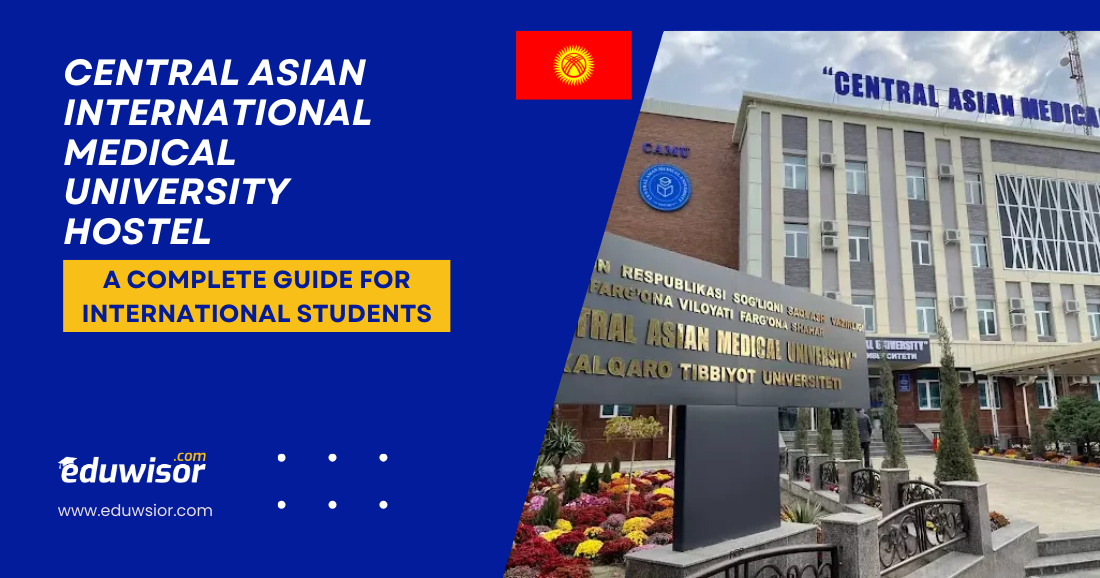
Choosing to study medicine abroad is one of the most courageous and transformative decisions a student can make. It’s a journey that promises not just a prestigious degree but a life-altering experience filled with new cultures, perspectives, and friendships. For thousands of international students, particularly from South Asia, the Middle East, and Africa, Central Asian International Medical University (CAIMU) in Bishkek, Kyrgyzstan, has become a beacon of quality, affordable medical education. The dream of becoming a doctor grows not just in lecture halls and labs, but also in the space you will call home for the next five to six years. This is where the Central Asian International Medical University hostel steps in, playing a pivotal role in shaping your academic success and personal growth.
This comprehensive guide delves deep into every facet of hostel life at CAIMU. We’ll move beyond basic brochures to provide a genuine, detailed look at the living conditions, community, costs, and tips that will help you transition smoothly into your new life in Bishkek.
Chapter 1: Introduction to Central Asian International Medical University and Its Student-Centric Approach
Before we explore the bricks and mortar of the hostel, it’s essential to understand the institution behind it. Central Asian International Medical University has recognition from major international medical councils, including the World Health Organization (WHO), and boasts a globally standardized curriculum. The university attracts a diverse cohort of students, creating a vibrant, multicultural campus.
A core part of CAIMU’s philosophy is student welfare. The administration understands that comfortable, secure, and conducive accommodation is non-negotiable for students who are far from their families. Therefore, the CAIMU hostel facilities are not an afterthought but an integral part of the educational ecosystem. The hostels’ strategic management supports both the academic rigor of medical studies and the social needs of young adults.
Chapter 2: Location and Accessibility – The Strategic Advantage
The Central Asian International Medical University hostel is located either on-campus or in very close proximity to the main academic buildings. This is a significant advantage that cannot be overstated.
- Proximity to Campus: Imagine rolling out of bed and being in your anatomy lab within a 10-15 minute walk. This saves invaluable time, money on daily transport, and energy—a crucial resource for a medical student. During harsh Bishkek winters, where temperatures can plummet, this short commute is a blessing.
- The hostel is in a secure enclave but is well-connected to the heart of Bishkek Major shopping centers like Beta Stores or Dordoi Plaza, supermarkets, banks, and cultural spots are accessible via affordable public transport (marshrutkas) or taxis (like Yandex Taxi).
- Essential Services Nearby: You will find pharmacies, local markets for fresh produce, cafes, and ATMs within a short radius. The CAIMU hostel location perfectly strikes this balance of quiet study environment and urban accessibility.
Chapter 3: A Detailed Tour of Hostel Facilities and Amenities In Central Asian International Medical University
Let’s walk through what you can expect inside the CAIMU hostel. We consistently maintain the facilities because we understand students need a functional and comfortable living space.
1. Room Types and Accommodation:
The hostel primarily offers shared accommodation, which is the standard for most international students in Kyrgyzstan and a fantastic way to build lifelong friendships.
- Double/Triple Occupancy Rooms: These are the most common. Rooms furnish each student with a single bed, mattress, study table, individual chair, and wardrobe. The furniture is robust and practical.
- Room Essentials: Each room has adequate lighting, central heating (essential for winter), and large windows for ventilation. Students can personalize their space with curtains, bedspreads, and photos.
- Bathroom facilities are typically shared on each floor. The hostel maintenance staff cleans them regularly. Some newer blocks or specially arranged floors may offer attached bathroom options, but this is subject to availability and potentially higher fees.
2. Food and Dining: The Hostel Mess/Canteen
One of the biggest concerns for parents and students is food. The CAIMU hostel food system is designed to cater to diverse palates.
- The Central Mess: The hostel has a dedicated dining hall that serves hygienically prepared meals. The menu is a mix of local Kyrgyz cuisine, Russian influences, and importantly, Indian-style vegetarian and non-vegetarian dishes. The availability of familiar rice, dal, roti, and curries eases the initial cultural shock for a large segment of the student population.
- Meal Plans: Students usually opt for a monthly meal plan offered by the university, which provides 2-3 meals a day at a fixed, economical cost. The food is prepared under standard hygiene protocols.
- Self-Cooking Options: For those who prefer to cook, common kitchens are available on certain floors or in separate blocks. These are equipped with gas stoves. Students can buy groceries from nearby markets and prepare their own meals, which is a popular and cost-effective option for many.
3. Essential Amenities for Daily Life:
- High-Speed Internet: Wi-Fi is provided throughout the hostel premises. While the speed is generally adequate for research, attending online lectures, and staying in touch with family, it’s wise to have a local mobile data plan as a backup for crucial times.
- Laundry Services: Manual washing can be time-consuming. The hostel provides common laundry areas. You can often find paid laundry services nearby that will machine-wash and iron your clothes for a reasonable fee.
- Water and Electricity: The hostel provides 24/7 uninterrupted water supply and electricity. It’s advisable to keep a water purifier or buy bottled water for drinking. Power outlets are compatible with European (two-pin round) plugs, so students will need adapters.
- Recreation and Common Rooms: Dedicated common rooms with televisions (often showing international channels), indoor games like carrom or chess, and seating areas are standard. These spaces are the social hubs of the hostel.
- Study Rooms/Library Annexes: Recognizing the need for quiet study spaces beyond the room, some hostels have designated study rooms or are located near 24/7 reading halls.
Chapter 4: Safety, Security, and Support – The Non-Negotiables
For any parent sending their child abroad, safety is the top concern. The Central Asian International Medical University hostel takes this responsibility seriously.
- Security personnel guard the hostel premises 24/7 and monitor all entry and exit.
Visitors, including day scholars or friends from other hostels, must register at the gate, and overnight stays for outsiders are typically not permitted without prior permission. - CCTV Surveillance: Common areas, corridors, and entrances are under CCTV surveillance, adding an extra layer of security.
- Warden and Resident Assistant System: A hostel warden (often a faculty or senior staff member) oversees operations. Additionally, senior student representatives or RAs reside in the hostel to help juniors, enforce rules, and be the first point of contact for any issues.
- Medical Support: The university has a tie-up with nearby clinics and hospitals for any medical emergencies. Basic first-aid is available in the hostel. Senior students also often provide initial guidance for common health issues.
- Administrative Support: The International Student Office is always accessible to help hostel residents with official documentation, visa extension guidance, or any conflicts that may arise.
Chapter 5: The Social Fabric – Building Your Community
Living in the CAIMU hostel for international students is a masterclass in cultural exchange. You will share your space with peers from India, Nepal, Pakistan, Bangladesh, Kazakhstan, and beyond.
- The common rooms host collective celebrations for festivals like Diwali, Eid, Nowruz, and Christmas. This exposure is an invaluable part of your education.
- Study Groups and Peer Learning: The hostel naturally fosters academic collaboration. Forming study groups with roommates and floor-mates is common, making tackling complex subjects like pharmacology or pathology easier.
- Managing Conflicts: Sharing a room with someone from a different background requires patience and communication. Most students learn to navigate these differences, setting boundaries and respecting each other’s space and habits—a vital life skill.
Chapter 6: Financials – Understanding the Costs
The CAIMU hostel fees are a major factor in its popularity. They are remarkably affordable compared to Western countries.
- Fee Structure: The hostel fee is usually paid semester-wise or annually, separate from the tuition fee. As of recent data, it can range from $800 to $1500 per year, depending on the room type (shared triple/double) and the block (newer vs. older).
- Additional Costs: The monthly food mess charge is separate, typically around $100-$150 per month for three meals a day. Other personal expenses include internet data packs, laundry, occasional eating out, and groceries for self-cooking.
- Cost-Effectiveness: When you factor in the savings on commute, security, and utilities, the CAIMU hostel presents a very economical package. It eliminates the hassle of finding private accommodation in a foreign country as a newcomer.
Chapter 7: Rules, Regulations, and Responsible Living In Central Asian International Medical University
To ensure harmony, certain CAIMU hostel rules are in place.
- Curfew: There is usually a defined curfew time (e.g., 10:00 or 11:00 PM for girls, slightly later for boys) for entry into the hostel. This is strictly enforced for safety.
- Anti-Ragging Policy: The university and hostel have a strict zero-tolerance policy towards ragging or any form of bullying.
- Substance and Alcohol Policy: Consumption of alcohol or narcotics within the hostel premises is prohibited.
- Maintenance of Cleanliness: Students are responsible for keeping their rooms tidy. Regular inspections may be conducted.
Chapter 8: The Booking and Admission Process In Central Asian International Medical University
Securing your spot in the Central Asian International Medical University hostel is straightforward.
- Early Application: Upon receiving your admission letter, immediately apply for hostel accommodation through the university’s International Office. Spots are allotted on a first-come, first-served basis.
- Pay the hostel fee advance along with your first-year tuition fee to confirm your booking.
- Arrival and Check-in: Upon arrival at Bishkek, university representatives will typically pick you up from the airport and take you directly to the hostel for check-in. You will be assigned a room and introduced to the warden.
Chapter 9: Pros, Cons, and Student Testimonials
Pros:
- Unbeatable proximity to university.
- High level of safety and security.
- Affordable cost of living.
- Built-in multicultural community.
- Basic amenities and food provided.
- No hassle of dealing with local landlords.
Cons:
- Shared rooms and bathrooms require adjustment.
- Limited privacy compared to private apartments.
- Rules like curfew might feel restrictive to some.
- Internet speed may fluctuate.
Student Voices:
- “The first month was tough, sharing a room, but my roommate from Nepal is now my best friend. We study together, and the mess food isn’t like home, but it’s decent. The best part? I’m never late for class!” – Arjun, 2nd Year, India.
- “As a female student, my parents were very worried. But the girls’ hostel is very secure, with a strict warden. We have our own common room. I feel safe here.” – Aisha, 1st Year, Nigeria.
Chapter 10: Life Beyond the Hostel – Exploring Bishkek and Kyrgyzstan
Your experience isn’t confined to the hostel walls. Kyrgyzstan is a country of stunning natural beauty.
- Weekend Getaways: With friends from the hostel, you can plan trips to Ala-Archa National Park, Issyk-Kul Lake (the world’s second-largest alpine lake), or ski resorts in winter.
- Cultural Immersion: Visit the Osh Bazaar, the State History Museum, or the Ala-Too Square to understand local culture.
- Building a Local Network: Interact with local students and shopkeepers. Learning a few phrases of Russian or Kyrgyz will greatly enhance your experience.
Conclusion: More Than Just a Place to Sleep
The Central Asian International Medical University hostel forges your journey as an international medical student. It is where you will experience homesickness and overcome it, form your first professional network, pull all-nighters before exams with friends, and learn to be independent. It provides a structured, safe, and supportive launchpad from which you can fully focus on the demanding goal of becoming a doctor.
Choosing CAIMU is not just choosing a university; it’s choosing a community. And the hostel is the very heart of that community. By being prepared, keeping an open mind, and engaging actively with hostel life, you are setting the stage for not only academic success but for some of the most memorable years of your life.
Eduwisor always guides students toward the right path with an unbiased approach. You can follow us on Youtube, Facebook, Instagram, Twitter, and Linkedin. Stay tuned for regular updates.
Interested in applying? Contact authorized Eduwisor consultant for a smooth admission process!
Act NOW—limited seats for 2026 intake! Call/WhatsApp: 9326395883/ 9076036383
