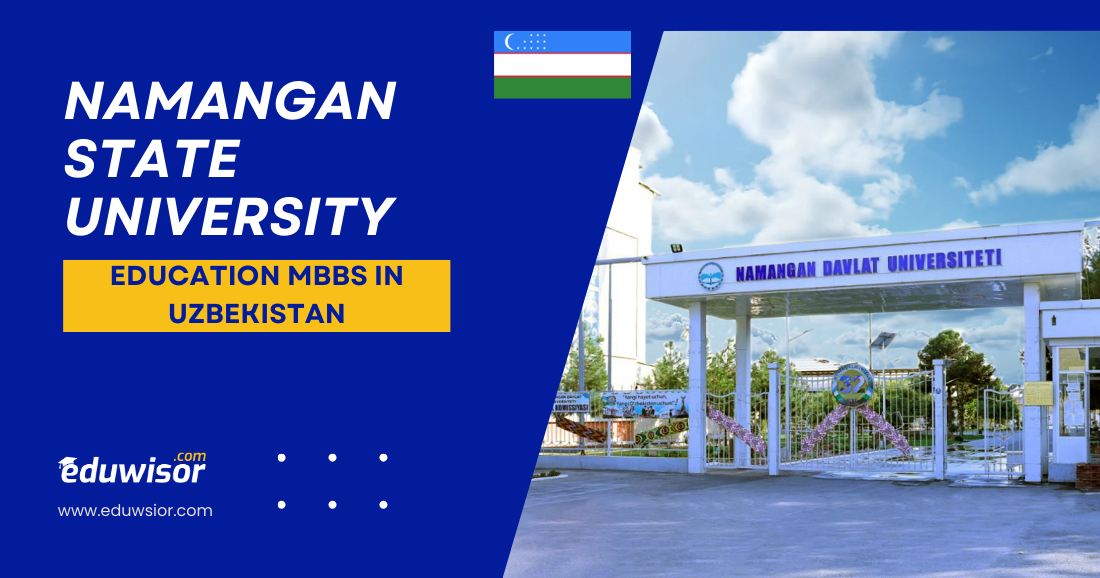


Education is an invaluable investment, a cornerstone for personal growth and professional success. For countless students in Uzbekistan and across Central Asia, Namangan State University stands as a beacon of academic excellence and opportunity. However, the journey toward earning a degree invariably involves navigating the practical realities of financing one’s education. Understanding the fee structure is not merely about numbers on a page; it’s about planning your future, accessing opportunities, and making informed decisions that align with your aspirations and resources.
In this comprehensive 5500-word guide, we will delve deep into the Namangan State University fees structure, providing you with a clear, detailed, and up-to-date breakdown for the 2026 academic year. We will move beyond basic tuition to explore associated costs, uncover avenues for financial relief through scholarships and aid, and offer strategic advice for budgeting. Whether you are a prospective local student from Namangan region, an applicant from another part of Uzbekistan, or an international student considering this esteemed institution, this article is designed to be your definitive financial roadmap.
Chapter 1: Understanding Namangan State University – A Legacy of Excellence
Before dissecting the costs, it is crucial to appreciate the value proposition. Established as a pivotal center for learning and innovation, Namangan State University (NamSU) has cultivated a reputation for rigorous academics, research contributions, and a commitment to student development. Offering a diverse array of programs across faculties such as Philology, Pedagogy, Natural Sciences, Economics, and Engineering, the university caters to a broad spectrum of academic interests.
The institution’s focus on modernizing curriculum, enhancing research infrastructure, and fostering international collaborations adds tangible value to the educational experience. This context is vital—the fees you pay are an investment directly channeled into maintaining educational quality, faculty expertise, library resources, laboratory equipment, and student facilities. Recognizing this helps frame the cost not as an expense, but as a strategic investment in your human capital.
Chapter 2: The Comprehensive Breakdown of Namangan State University Tuition Fees
The Namangan State University tuition costs form the core of the financial commitment. It’s important to note that fees can vary significantly based on the program of study, the level of degree (Bachelor’s, Master’s, PhD), and the student’s residency status.
2.1 Undergraduate (Bachelor’s Degree) Program Fees
For the 2026 academic year, the annual tuition fee for most full-time Bachelor’s programs for citizens of Uzbekistan ranges between 8,000,000 UZS to 12,000,000 UZS (approximately $650 to $1,000 USD, depending on exchange rates). More specialized or resource-intensive programs, particularly in the sciences or technology fields, may be at the higher end of this spectrum.
- Philology and Pedagogy Faculties: Typically on the lower range, around 8,500,000 – 9,500,000 UZS annually.
- Economics and Business Administration: Often mid-range, averaging 10,000,000 – 11,000,000 UZS.
- Natural Sciences (Biology, Chemistry, Physics) and Information Technologies: Usually command the higher fees, around 11,500,000 – 12,500,000 UZS, due to laboratory and computational resource requirements.
2.2 Graduate (Master’s and PhD) Program Fees
Postgraduate studies involve more specialized instruction and research supervision. Consequently, Namangan University postgraduate expenses are structured differently.
- Master’s Degrees: Annual fees range from 10,000,000 UZS to 15,000,000 UZS, with variations by faculty.
- PhD (Doctoral) Programs: Fees can vary more widely, often negotiated as part of a research proposal and may include waivers for students contributing significantly to university research projects. Prospective students should contact the specific department and the university’s research coordination office for precise figures.
2.3 Namangan State University International Student Fees
For non-Uzbek citizens, the tuition structure is different and generally higher. International student fees at NamSU are typically quoted in US Dollars to provide stability against currency fluctuations.
- Undergraduate Programs: Estimated between $1,200 to $2,000 USD per academic year.
- Graduate Programs: Can range from $1,500 to $2,500 USD annually.
These fees for international enrollees include access to the same resources but may also encompass additional administrative support, such as assistance with visa-related processes and orientation programs. It is mandatory for international applicants to verify the exact amount with the Namangan State University International Relations Office prior to application.
2.4 Additional Academic and Administrative Charges
Beyond core tuition, students must budget for several mandatory one-time or annual fees:
- Application/Admission Fee: A non-refundable fee processed during application submission.
- Registration Fee: Paid at the start of each academic year to finalize enrollment.
- Library and Laboratory Security Deposit: A refundable deposit to ensure the return of materials and equipment.
- Technology/Infrastructure Fee: Contributes to IT services, campus Wi-Fi, and software licenses.
- Student Union Fee: Supports extracurricular activities and student governance.
A prudent approach is to add an additional 5-10% of the annual tuition fee to cover these ancillary academic charges.
Chapter 3: The Full Picture – Cost of Living and Associated Expenses in Namangan
Calculating the total cost of attendance requires a holistic view. The cost of studying at Namangan University encompasses living expenses, which can sometimes rival or even exceed tuition, especially for students relocating from other cities or countries.
3.1 Accommodation: Dormitories vs. Private Housing
- University Hostels (Dormitories): This is the most economical option. Monthly costs are highly subsidized, ranging from 200,000 to 500,000 UZS (approx. $16-$40 USD). However, spaces are limited, often prioritized for out-of-town and international students, and require early application.
- Private Rental Apartments: Renting a one-room apartment (studio) in Namangan city can cost between 1,200,000 to 2,500,000 UZS monthly ($100-$200 USD), depending on proximity to the university, amenities, and condition. Sharing an apartment with roommates can significantly reduce this cost.
3.2 Daily Living Expenses
Namangan is generally considered an affordable city. Monthly budgets should account for:
- Food and Groceries: 600,000 – 1,200,000 UZS (cooking at home is far more economical than daily dining out).
- Local Transportation: Public transport (buses) is inexpensive, around 100,000 – 200,000 UZS per month. Taxi services via apps are also affordable for occasional use.
- Utilities (for private renters): Electricity, water, gas, and internet may add 300,000 – 500,000 UZS.
- Books and Academic Supplies: 200,000 – 400,000 UZS per semester.
- Personal Expenses: Clothing, mobile phone plans, leisure activities—budget 500,000 – 1,000,000 UZS.
A realistic total monthly living cost for a modest student lifestyle in Namangan ranges from 2,000,000 to 4,500,000 UZS ($160-$360 USD), excluding tuition.
Chapter 4: Financial Relief – Scholarships, Grants, and Financial Aid at NamSU
The university and the Uzbek government operate several programs to alleviate the education costs in Uzbekistan. Proactive research and application for these can dramatically reduce your financial burden.
4.1 Government Scholarships (State Grants)
The most significant form of aid for Uzbek citizens is the state grant. Awarded based on competitive national entrance exam scores, these grants can cover 50%, 75%, or even 100% of tuition fees. Securing a state grant is highly competitive and is the primary goal for most local applicants.
4.2 Namangan State University Scholarships and Merit Awards
The university itself administers several merit-based and need-based schemes:
- Rector’s Scholarship: Awarded to top-performing students (usually based on semester GPA) with outstanding academic achievements.
- Special Faculty Scholarships: Individual departments may have funds for promising students in specific disciplines.
- Social Support Stipends: For students from low-income families or vulnerable groups, providing a monthly living stipend.
4.3 Financial Aid and Student Loan Programs
- “Ta’lim-Sifat” Loan Program: A government-backed student loan initiative with favorable, low-interest terms designed specifically for covering higher education costs.
- University Payment Plans: NamSU often allows students to pay tuition in installments over the course of the academic year (e.g., semester-wise or quarterly), easing cash flow pressures on families.
4.4 Scholarships for International Students
Prospective international students should explore:
- Uzbek Government Scholarships for Foreign Nationals: Offered through the Ministry of Higher Education to students from partner countries.
- Cultural and Exchange Program Scholarships: Such as those from Türkiye (YTB), South Korea (KGSP), and other nations with educational ties to Uzbekistan.
- NamSU Partnership Scholarships: Direct scholarships from the university for students coming from specific partner institutions abroad.
Chapter 5: Strategic Financial Planning and Budgeting for Your Degree
Understanding the fee structure is the first step; creating a sustainable financial plan is the second. Here’s how to approach financial planning for university.
5.1 Creating a Comprehensive Student Budget
- List All Income Sources: Savings, family support, part-time job earnings, confirmed scholarship amounts.
- List All Expenses: Tuition, mandatory fees, rent, food, transport, books, personal items.
- Calculate the Gap: Subtract total expenses from total income. This gap needs to be filled through additional savings, loans, or increased scholarship searches.
- Plan for Emergencies: Always include a contingency of 5-10% for unexpected costs.
5.2 Money-Saving Tips for Students in Namangan
- Embrace Student Housing: Always apply for a dormitory spot first—it’s the single biggest cost saver.
- Utilize Student Discounts: Always carry your student ID for potential discounts on transport, museums, cafes, and software.
- Cook Communally: Share grocery costs and cooking duties with roommates.
- Use University Resources: Maximize the library, free software, sports facilities, and student health services.
- Buy Used Textbooks: Purchase from senior students or online student forums instead of buying new.
5.3 Exploring Part-Time Work Opportunities
While balancing studies is paramount, part-time work can provide crucial income. Uzbekistan’s regulations allow for student work, especially in sectors like:
- Tutoring: Leverage your academic strengths.
- Retail and Hospitality: Cafes, shops, and restaurants in Namangan.
- Freelancing Online: Skills in writing, graphic design, or programming can be monetized on global platforms.
- On-Campus Jobs: Occasionally, the university hires students for administrative support, library assistance, or lab monitoring.
Always ensure any work commitment does not compromise your academic performance, which is key to maintaining scholarships.
Chapter 6: The Admission Process and Fee Payment Procedures
A clear understanding of the procedural steps helps avoid late fees or administrative hiccups.
6.1 Step-by-Step Admission and Fee Payment
- Online Application: Submit via the official NamSU portal, paying the application fee.
- Entrance Exams: Sit for the required standardized or faculty-specific tests.
- Admission Offer: Receive official communication regarding acceptance and state grant status (if applicable).
- Fee Invoice: The accounting department issues an official invoice detailing tuition and all mandatory fees.
- Payment Channels: Fees can typically be paid via bank transfer to a specified university account, through designated partner banks, or sometimes via online payment gateways on the university website.
- Registration Confirmation: Submit the payment receipt to the dean’s office to receive your student ID and complete registration.
6.2 Important Deadlines and Policies
- Payment Deadlines: Strictly adhere to payment deadlines (often at the start of each semester) to avoid penalties, de-registration, or loss of course selection.
- Refund Policy: Understand the university’s policy on tuition refunds in case of withdrawal. Typically, refunds are proportional and diminish significantly after the semester begins.
- Documentation: Keep meticulous records of all payment receipts and financial correspondence with the university.
Chapter 7: The Return on Investment (ROI) – Why Namangan State University is Worth It
Finally, it’s essential to evaluate the long-term return on investment. A degree from Namangan State University is more than a certificate; it’s a credential that opens doors.
- Career Prospects: Graduates are highly regarded in the Uzbek job market across public education, government, business, and industry sectors. The university’s career services facilitate connections with employers.
- Alumni Network: Joining a vast network of professionals across Uzbekistan and beyond provides lifelong career and personal development opportunities.
- Personal and Intellectual Growth: The university environment fosters critical thinking, independence, and problem-solving skills—attributes valued in any career path.
- Contribution to Society: As an educated professional, you contribute more effectively to the development of your community and country.
Conclusion: Empowering Your Educational Journey
Navigating the Namangan State University fees structure may seem daunting, but with thorough research, proactive planning, and strategic use of available financial aid, it is a manageable and ultimately rewarding process. The key is to start early, ask precise questions to the university’s admissions and financial offices, and create a realistic budget that accounts for both direct and indirect costs.
Investing in your education at Namangan State University is an investment in a future of greater opportunity, knowledge, and impact. By taking control of the financial aspects today, you pave the way for a focused and successful academic journey tomorrow.
Remember, the figures mentioned here are estimates for the 2026 intake. The most critical step is to contact Namangan State University directly for the most current, official, and program-specific fee information. Visit their official website or reach out to the Admissions Committee to get personalized guidance for your unique situation.
Embark on this journey with confidence, armed with knowledge and a clear plan. Your future at Namangan State University awaits.
Eduwisor always guides students toward the right path with an unbiased approach. You can follow us on Youtube, Facebook, Instagram, Twitter, and Linkedin. Stay tuned for regular updates.
Interested in applying? Contact authorized Eduwisor consultant for a smooth admission process!
Act NOW—limited seats for 2026 intake! Call/WhatsApp: 9326395883/ 9076036383