

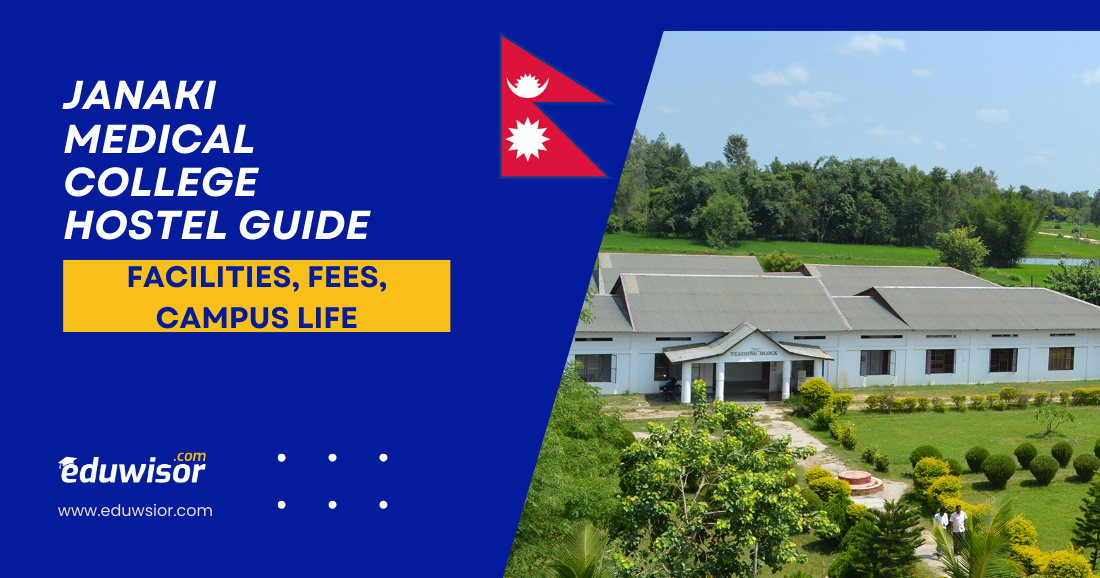
Janaki Medical College (JMC) has established itself as a prominent institution in medical education, not only for its academic rigor but also for its commitment to providing a holistic living and learning environment. At the heart of this experience lies the Janaki Medical College hostel system—a home away from home for hundreds of aspiring doctors. For students embarking on the demanding journey of medical studies, a supportive, secure, and well-equipped residential facility is a necessity, not a luxury. JMC’s hostel life fosters community, focus, and well-being, so students can dedicate their energy to their studies while growing personally and professionally.
This comprehensive guide delves into every facet of the Janaki Medical College hostel experience. From the tangible—rooms, food, and facilities—to the intangible—the camaraderie, the late-night study sessions, and the lifelong friendships—we explore what makes living on campus an integral part of the JMC journey. Whether you are a prospective student, a concerned parent, or simply researching options, this article provides the detailed insights you need.
Chapter 1: The Hostel Infrastructure and Room Allocation in Janaki Medical College
The Janaki Medical College hostel complex, a well-planned and segregated facility for male and female students, sits within the main campus’s secure perimeter. The proximity to lecture halls, libraries, and laboratories—often just a few minutes’ walk away—is a significant advantage, saving precious time for busy medical students.
1.1 Hostel Buildings and Architecture
The hostel blocks are modern, multi-storied buildings constructed with student needs in mind. They are designed to be robust, clean, and functional, with ample natural light and ventilation. Separate entrances and dedicated security ensure privacy and safety for all occupants. The architecture often incorporates common balconies and open spaces to prevent a closed-in feeling.
1.2 Types of Rooms and Accommodation
Understanding the Janaki Medical College hostel rooms is crucial for setting expectations. Accommodation is typically shared to encourage peer learning and reduce costs, though availability can vary.
- Standard Double/Triple Occupancy Rooms: The most common configuration. These rooms are spacious, typically housing 2 or 3 students. Each room is furnished with:
- Single beds with mattresses.
- Individual study desks and chairs—a critical feature for medical students.
- Ample cupboard and storage space for books, clothes, and personal items.
- Bookshelves.
- Overhead fans and lighting.
- Single Occupancy Rooms: Limited in number and often allocated based on merit, specific needs, or seniority. These provide more privacy for those who prefer it.
- Every floor features modern shared bathroom and toilet facilities. The housekeeping staff cleans these areas multiple times daily. Installed water heaters (geysers) ensure a reliable hot water supply, especially during colder months.
1.3 Roommate Allocation Process
The Janaki Medical College hostel administration usually manages roommate allocation. They often pair first-year students with seniors or peers from different regions to promote integration. Students can sometimes request specific roommates if they make the request in advance and it is mutual. The process emphasizes creating a balanced and harmonious living environment.
Chapter 2: A Deep Dive into Hostel Facilities and Amenities in Janaki Medical College
Beyond the bed and desk, the Janaki Medical College hostel facilities are what truly enhance the quality of student life. The administration has invested in amenities that cater to both academic and personal needs.
2.1 Academic and Study Support Facilities
- 24/7 Reading Halls and Library Annex: Recognizing the unpredictable study hours of medical students, the hostel provides a dedicated, quiet, and well-lit reading hall. It often has a collection of key textbooks and reference materials, functioning as a satellite library.
- High-Speed Wi-Fi Internet: Reliable Janaki Medical College hostel wifi internet connectivity is available throughout the premises. While there may be fair-usage policies or time restrictions to encourage disciplined habits, students can access online journals, attend virtual lectures, and research seamlessly.
- Uninterrupted Power Supply: A robust backup generator or inverter system ensures that power cuts never disrupt study sessions or daily routines.
2.2 Health, Wellness, and Daily Living
- In-Hostel Medical Support: A first-aid station is available within the hostel complex, and the college infirmary/hospital is always on standby. Senior resident tutors or wardens are often medically trained to handle initial emergencies.
- Laundry Services: Janaki Medical College hostel laundry services are a boon for busy students. Most hostels have a mechanized laundry with scheduled pick-up and drop-off systems, though students may also have access to washing areas for personal use.
- Common Room & Recreation: Equipped with a television, indoor games (like carrom, chess, and table tennis), and sometimes a music system, the common room is the social hub for relaxation.
- Fitness and Sports: The hostel has direct access to the college’s sports facilities, including a gymnasium, basketball/volleyball courts, and a field for cricket or football. Regular physical activity is encouraged.
- Canteen and Tuck Shop: A small hostel canteen or tuck shop operates for snacks, beverages, and essential toiletries, saving students trips outside campus for minor needs.
2.3 Security and Safety – A Top Priority
The Janaki Medical College hostel security apparatus is stringent and non-negotiable.
- Security personnel man the hostel gates 24/7 and log all entry and exit.
- Biometric/RFID Access: Many hostels use technology to restrict access to residents only.
- CCTV Surveillance: Common areas, corridors, and entry points are under camera surveillance.
- Warden System: Each hostel has a resident warden (a faculty member) and assistant wardens who oversee operations, enforce rules, and are the first point of contact for any issue.
- Visitor Protocols: Strict rules govern visitor entry, with designated visiting hours and areas. Overnight stays for guests are generally not permitted without prior permission.
Chapter 3: The Heart of the Hostel – The Mess and Food
The Janaki Medical College hostel mess food is a central topic of discussion and a vital component of student health and satisfaction. The mess is typically a large, communal dining hall that serves as a gathering spot.
3.1 Meal Structure and Hygiene
- Meal Schedule: The mess operates on a fixed schedule—breakfast, lunch, evening tea/snacks, and dinner. The timing is designed to align with the academic timetable.
- We make efforts to provide a balanced, nutritious, and varied menu, which usually includes a mix of North Indian, South Indian, and local cuisines. We often organize special meals or “treats” on weekends or for festivals.
- Dietary Considerations: Most messes are sensitive to dietary restrictions, offering vegetarian and non-vegetarian lines separately. Some may accommodate specific medical or religious dietary needs upon request.
- Hygiene Standards: The kitchen and dining areas are subject to regular health and cleanliness inspections. Student mess committees are often formed to provide feedback and monitor quality.
3.2 The Role of the Mess Committee
A democratically elected student mess committee acts as a crucial liaison between the student body and the mess management. They convey grievances, suggest menu changes, and help organize special events, ensuring the Janaki Medical College hostel mess remains responsive to student needs.
Chapter 4: Rules, Regulations, and Campus Life
A structured environment is essential for a large residential community. Janaki Medical College frames its hostel rules and regulations to ensure everyone’s safety, discipline, and a conducive atmosphere.
4.1 Key Hostel Rules
- Hostels, especially female hostels, usually define and strictly enforce curfew times for entry to ensure safety.
- Attendance and Leave: Students may need to inform the warden before leaving campus overnight or for holidays.
- Room Maintenance: Students are responsible for the cleanliness and upkeep of their rooms. Ragging is strictly prohibited and carries severe penalties.
- Use of Electrical Appliances: Restrictions on high-power personal appliances (like heaters, kettles) are common to prevent fire hazards and electricity overload.
4.2 The Vibrancy of Hostel Life
Janaki Medical College student hostel life is legendary. It’s where the pressure of academics is balanced with unforgettable experiences.
- Community and Friendship: Living together 24/7 for years forges deep bonds. Seniors guide juniors, creating a system of mentorship and support.
- Cultural and Social Events: Hostels are the epicenter of college festivals, cultural nights, birthday celebrations, and impromptu gatherings.
- Study Groups: The collaborative environment facilitates group studies, with peers helping each other tackle complex subjects like anatomy or pharmacology.
- Personal Growth: Managing chores, budgets, and relationships independently leads to immense personal development.
Chapter 5: Financials – Fees, Admission, and Comparisons
5.1 Janaki Medical College Hostel Fees Structure
The Janaki Medical College hostel fees structure is generally transparent and billed separately from tuition fees. It typically includes:
- Annual Hostel Seat Charge: A fixed fee for the accommodation.
- Mess Charges: Can be on a monthly or termly advance payment basis. It’s often compulsory for residents.
- Security Deposit: A one-time refundable deposit to cover any potential damages.
- Miscellaneous Charges: May include fees for laundry, internet, or identity cards.
It’s advisable to check the official JMC website or prospectus for the exact, up-to-date fee breakdown, as costs can be revised.
5.2 Hostel Admission Process
Hostel admission at Janaki Medical College usually works as part of college admission. Once students secure an MBBS seat, they receive hostel application forms. Due to limited seats, the college allocates places on a first-come, first-served basis. It typically prioritizes international students and those from distant states.
5.3 Comparing with Off-Campus Living
While some students consider private PG accommodations, the Janaki Medical College campus accommodation offers unparalleled advantages: safety, proximity, structured environment, and being part of the college community. Off-campus living might offer more freedom and privacy but can come with higher costs, commute times, and security concerns.
Chapter 6: Insights for International and Out-of-State Students
For Janaki Medical College hostel for international students and those from other parts of the country, the hostel is more than just housing—it’s a support system.
- The administration handles the specific needs of international students expertly, from adjusting to dietary requirements to helping with local documentation.
- The diverse hostel population helps in cultural exchange and eases the transition into a new environment.
- Celebrations of various international and Indian festivals within the hostel foster a sense of global community.
Chapter 7: Student Reviews and Testimonials
Genuine Janaki Medical College reviews from hostel residents paint the most accurate picture. Commonly highlighted points include:
- Positives: Strong sense of community, convenient location, generally good security, and the value of having everything on campus.
- Areas for Feedback: Some reviews may mention desires for more menu variety, faster Wi-Fi, or more single rooms. The mess food, as in any large institution, is a perennial topic of both praise and critique.
Prospective students should connect with current students via official college forums or social media groups for firsthand accounts.
Conclusion: Is the Janaki Medical College Hostel the Right Choice?
The Janaki Medical College hostel is designed to be an ecosystem that nurtures future medical professionals. It provides a balanced environment that understands the intense demands of medical education while safeguarding the well-being of its students. The facilities, from the study halls to the mess, are built with purpose. The rules, while firm, are framed for collective good. And the life within those walls—filled with shared struggles, triumphs, and camaraderie—becomes a defining chapter in a medical student’s life.
For most students, opting for the Janaki Medical College campus accommodation is a decision that supports their academic goals and personal growth. It simplifies logistics, builds a professional network, and creates memories that last a lifetime. Before making your decision, weigh the structured support of the hostel against the independence of external living, keeping your personal study habits and preferences in mind. Ultimately, the JMC hostel stands as a pillar of the college’s commitment to holistic education.
Eduwisor always guides students toward the right path with an unbiased approach. You can follow us on Youtube, Facebook, Instagram, Twitter, and Linkedin. Stay tuned for regular updates.
Interested in applying? Contact authorized Eduwisor consultant for a smooth admission process!
Act NOW—limited seats for 2026 intake! Call/WhatsApp: 9326395883/ 9076036383
