

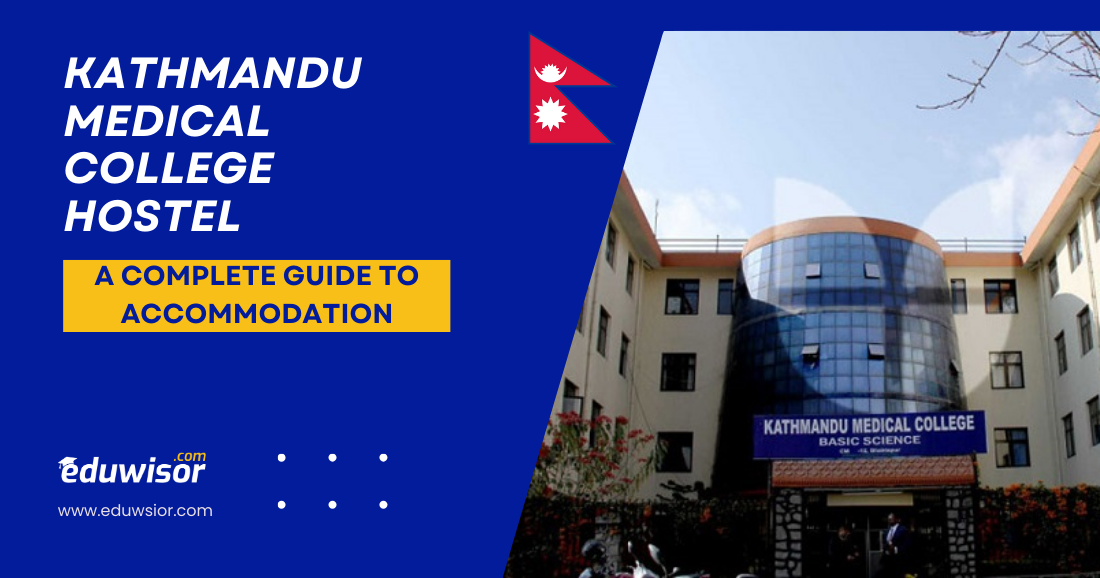
Embarking on a journey to become a medical professional at Kathmandu Medical College (KMC) is an exhilarating decision. While academics will be your primary focus, your living environment plays a monumental role in shaping your overall experience, well-being, and ultimately, your success. For many students, the Kathmandu Medical College hostel becomes more than just a place to sleep; it transforms into a community, a support system, and a cornerstone of cherished memories.
This exhaustive guide is designed to be your one-stop resource for everything related to accommodation at KMC. We will delve deep into the specifics of the hostel facilities, the nuanced fabric of daily life, the costs involved, the essential rules, and even explore alternatives. Whether you are a prospective student anxious about your new home, a parent seeking assurance about your child’s comfort and safety, or a current resident looking for detailed insights, this article aims to cover all bases, ensuring you step into this phase of life fully prepared and informed.
Chapter 1: Introduction to Kathmandu Medical College and Its Residential Ethos
Kathmandu Medical College, affiliated with Kathmandu University, stands as one of Nepal’s premier institutions for medical education. Renowned for its rigorous curriculum, experienced faculty, and modern teaching hospital, KMC attracts a diverse cohort of students from across Nepal and neighboring countries. The institution understands that the demanding schedule of a medical student—with long hours of lectures, lab work, and clinical rotations—requires a supportive and convenient living arrangement. This philosophy led to the establishment of its dedicated hostel facilities, designed to provide a secure, conducive, and holistic environment right within the academic ecosystem.
The hostel at KMC is strategically located to minimize commute time, allowing students to channel their energy into studies and essential rest. It fosters a sense of camaraderie among peers, which is invaluable in navigating the challenges of medical school. Living alongside classmates surrounds you with individuals who understand the pressure, allows you to collaborate on projects at any hour, and helps you form study groups that become the backbone of academic perseverance.
Chapter 2: A Deep Dive into Kathmandu Medical College Hostel Facilities & Accommodation Types
The Kathmandu Medical College hostel complex is designed to cater to the basic and extended needs of its students. It’s not just about providing a bed; it’s about creating a functional ecosystem. Here’s a detailed breakdown of what you can expect:
1. Room Configurations and Amenities:
The hostel primarily offers shared accommodation, which is standard practice in most medical colleges to promote peer interaction and keep costs manageable. Typically, rooms are arranged on a twin-sharing or triple-sharing basis.
- Furnishings: Each room is furnished with sturdy beds, study tables and chairs, individual cupboards or wardrobes for storage, and bookshelves. The focus is on functionality and providing a personal space for each student to study and organize their belongings.
- Utilities: Every room has adequate lighting, fans, and electrical outlets to power laptops, study lamps, and other essential devices. Centralized heating solutions or personal room heaters (subject to rules) are crucial for the chilly Kathmandu winters.
- Attached Bathrooms: Most rooms come with attached bathrooms, a significant convenience that adds to privacy and saves time during the hectic morning rush. These are equipped with geysers for hot water, which is non-negotiable in the cold climate.
2. The Heart of the Hostel: Common Facilities
- Dining Hall and Mess Facility: The in-house mess is a central feature. It provides nutritious, hygienically prepared meals at scheduled times. The menu usually offers a balanced mix of vegetarian and non-vegetarian options, catering to diverse palates and cultural preferences. The quality and variety of KMC hostel food are frequent topics of discussion, and the administration generally uses feedback to maintain acceptable standards.
- Study Rooms and Libraries: Recognizing that roommates might have different schedules, the hostel often provides common study rooms or reading halls. These are quiet zones where students can concentrate without distractions, especially during exam seasons. Proximity to the main college library is also a key advantage.
- Recreation and Common Rooms: All work and no play is not sustainable. Common rooms equipped with televisions, indoor games like carrom or table tennis, and comfortable seating allow students to unwind, socialize, and de-stress after a long day.
- Laundry Services: Most hostels offer either manual laundry areas or tie-ups with laundry services. Some might have washing machines available for student use, freeing up valuable time from mundane chores.
- Wi-Fi and Connectivity: In today’s digital age, reliable internet is as essential as electricity. KMC hostel provides campus-wide Wi-Fi, though the IT team regulates speed and bandwidth to ensure fair usage. This connectivity is vital for research, accessing online journals, attending webinars, and staying in touch with family.
- Sports and Fitness: A healthy body supports a sharp mind. The hostel premises or the adjacent college campus often feature sports facilities like basketball courts, badminton courts, or a gymnasium, encouraging students to maintain physical fitness.
3. The Duplex Town Hostel: A Noteworthy Mention
A specific term you might encounter is the “Duplex town hostel KMC.” This often refers to a particular block or style of hostel building within the complex that features a duplex (two-story) townhouse-like structure. These units might offer a slightly different layout, potentially housing smaller groups of students in a more house-like setting, sometimes preferred for the semi-private atmosphere they offer. Inquiries about this specific type of accommodation can be made directly with the hostel administration during the admission process.
Chapter 3: The Financial Blueprint: Understanding Kathmandu Medical College Hostel Fees
Transparency about costs is crucial for financial planning. The Kathmandu Medical College hostel fees are structured as an annual or semester-based package. It’s vital to note that these figures are approximate and subject to change; always confirm with the official KMC administration for the current academic year.
- Accommodation Fee: This is the core charge for the bed space and use of room facilities. It can range from NPR 80,000 to NPR 150,000 per annum, depending on the room type (standard, larger, or in buildings like the duplex town hostel).
- Mess/Food Charges: This is usually a separate, monthly fee covering three meals a day. It can range from NPR 12,000 to NPR 18,000 per month. The total cost of living at KMC, including hostel and mess, becomes a significant part of your annual budget.
- Security Deposit: A one-time, refundable security deposit (often equivalent to 1-2 months of fees) is standard practice. This is returned at the end of your stay after deducting any damages or outstanding dues.
- Utility Charges: While often included, some hostels may charge separately for electricity or water consumption beyond a certain limit, especially for high-usage appliances.
Pro Tip: Always factor in additional personal expenses for snacks, stationery, personal care, internet data top-ups, and occasional outings. The total hostel accommodation at Kathmandu Medical College cost should be viewed as a comprehensive package for safety, food, and convenience.
Chapter 4: The Unwritten Rulebook: Navigating KMC Hostel Rules and Culture
A harmonious community thrives on clear guidelines. The KMC hostel rules are in place to ensure safety, discipline, and respect for all residents.
- Curfew and Security: Hostels typically have defined gate closing times for the safety of students, especially for female hostels. KMC carefully monitors who enters and exits, and strictly regulates all visitor policies, including for parents and friends. Hostel security takes priority, with security personnel present and CCTV surveillance operating in all common areas.
- Gender-Specific Hostels: There are separate KMC girls hostel and KMC boys hostel facilities. The policy is non-negotiable, and the rules strictly limit inter-hostel visitation to common areas during specific hours.
- Code of Conduct: Keep noise to a minimum during study hours and late at night. Do not use prohibited appliances like induction cookers or heaters beyond the approved rating. Do not bring any flammable materials into the building, as these items create a fire hazard. Respect for staff and fellow residents is paramount.
- Attendance and Sign-ins: Some hostels may have roll-call or sign-in procedures, particularly for first-year students, to ensure everyone is accounted for.
- Staff maintain the common areas, and students are responsible for keeping their own rooms clean. Damaging property can lead to fines deducted from the security deposit.
Understanding and adhering to these rules is not about restriction but about fostering a responsible and focused environment where everyone can thrive.
Chapter 5: The Human Experience: Hostel Life at KMC
Beyond bricks, mortar, and rules, what is it truly like to live here? Hostel life at KMC is a unique tapestry of experiences.
- Building Your Support Network: Your hostel mates become your second family. You celebrate festivals together, share midnight snacks during exam prep, and offer shoulders during stressful times. These bonds often last a lifetime.
- Academic Synergy: The proximity to classmates allows for effortless group studies, discussion of complex topics, and sharing of notes and resources. The collective intelligence of the hostel becomes a powerful academic tool.
- Cultural Melting Pot: With students from various regions and countries, the hostel becomes a vibrant space for cultural exchange, broadening your worldview far beyond the medical textbooks.
- Developing Life Skills: Managing your time, budget, and personal affairs independently are invaluable life skills honed during hostel life. It’s a critical phase of personal growth and maturity.
A Kathmandu Medical College hostel review from alumni often highlights this blend of struggle and camaraderie as the defining feature of their college years.
Chapter 6: The Admission Process: Securing Your Spot in the KMC Hostel
The process for Kathmandu Medical College hostel admission is usually integrated with the college admission itself.
- Application: Upon securing your seat in the MBBS or other programs, you will receive hostel application forms. Early application is strongly recommended due to limited seats.
- Rooms are allocated on a first-come, first-served basis and sometimes depend on the year of study. New students receive priority so they can settle in smoothly.
- Documentation and Payment: You will need to submit the completed form, along with passport-sized photographs, a copy of your admission letter, and the required fees (hostel and mess advance, security deposit).
- The orientation familiarizes new residents with the hostel’s facilities, rules, and key personnel, such as the warden and caretakers.en and caretakers.
Chapter 7: Preparing for Move-In: A Practical Checklist
Things to bring to KMC hostel:
- Essential Documents: Admission letters, fee receipts, ID proofs, photographs.
- Bedding: Mattress (if not provided), bedsheets, pillows, blankets, quilts.
- Personal Items: Clothing suitable for all seasons, toiletries, slippers, shoes, a sturdy lock for your cupboard.
- Study Materials: Laptop, notebooks, stationery, a good desk lamp.
- Miscellaneous: Basic first-aid kit, water bottle, umbrella, power extension board, and any personal medication.
Chapter 8: Exploring Alternatives: PGs and Rentals Near KMC
While the college hostel is the most integrated option, some students seek more independence or different arrangements. Finding a PG near KMC or a shared apartment is an alternative.
- Pros: More freedom, possibility of choosing your own food, fewer institutional rules.
- Cons: Can be more expensive overall, commute time and cost, security concerns, lack of built-in academic community, and managing utilities independently.
- Locations: Areas like Sinamangal, Gairidhara, and Baneshwor have numerous student accommodation options. It’s crucial to visit, check safety, and understand the rental agreement thoroughly.
Conclusion: Why Choosing the KMC Hostel is a Strategic Decision
For the majority of students, especially those new to Kathmandu, the Kathmandu Medical College hostel offers an unmatched combination of security, convenience, community, and focus. It removes the hassles of house-hunting, cooking, and commuting, allowing you to invest every possible minute into your demanding medical education. The structured environment, while requiring adherence to rules, ultimately builds discipline—a trait every successful doctor possesses.
Choosing where to live during your medical studies is a significant decision. By providing this detailed panorama of life at the KMC hostels, we hope to have given you the clarity and confidence to make the choice that best aligns with your goals and personality. Welcome to the KMC family—your new home awaits
Eduwisor always guides students toward the right path with an unbiased approach. You can follow us on Youtube, Facebook, Instagram, Twitter, and Linkedin. Stay tuned for regular updates.
Interested in applying? Contact authorized Eduwisor consultant for a smooth admission process!
Act NOW—limited seats for 2026 intake! Call/WhatsApp: 9326395883/ 9076036383