

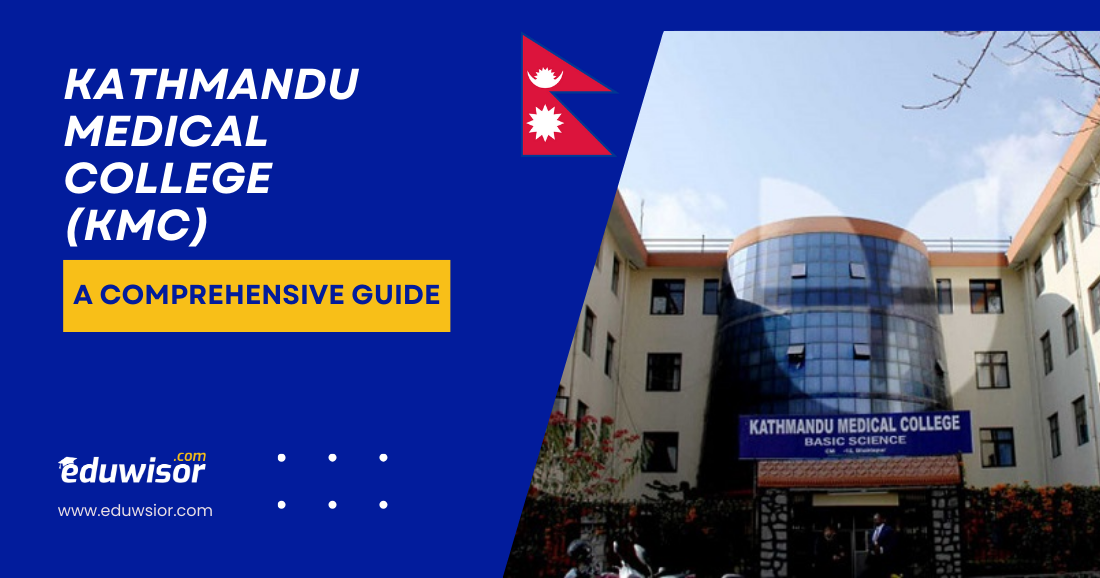
Nestled in the vibrant capital city of Nepal, Kathmandu Medical College (KMC) stands as a towering institution of medical education and healthcare service. Established with a vision to produce competent, compassionate, and community-oriented healthcare professionals, KMC has, over the years, cemented its reputation as one of Nepal’s premier destinations for aspiring doctors and nurses. For students from Nepal, India, SAARC nations, and across the globe, KMC represents a unique blend of rigorous academic training, hands-on clinical exposure, and a commitment to ethical medical practice. This comprehensive guide delves into every facet of Kathmandu Medical College, providing prospective students and their families with the detailed insights needed to make an informed decision about their medical career journey.
Chapter 1: The Legacy and Vision of Kathmandu Medical College
Founding Principles and Historical Context
Kathmandu Medical College was established in 1997 by a group of visionary medical professionals and academics. Their goal was clear: to address the growing need for quality healthcare providers in Nepal and beyond by establishing a center of excellence that adhered to international standards. Kathmandu University, one of Nepal’s top-ranked universities, affiliates with KMC. The Nepal Medical Council (NMC), India’s National Medical Commission (NMC), and the World Directory of Medical Schools (WDOMS) all recognize KMC. These credentials give KMC global respect.
The institution operates under the aegis of the Kathmandu Medical College and Teaching Hospital (KMCTH) Pvt. Ltd., which seamlessly integrates the educational wing with the clinical facility. This model of a dedicated teaching hospital is central to KMC’s pedagogy. It emphasizes that medical learning extends beyond textbooks and takes root in real-world patient care.
Mission and Core Values
KMC’s mission extends beyond producing degree holders. It aims to create “Healers for the World.” Its core values are built on a tripod of:
- Excellence in Education: Delivering a curriculum that is both comprehensive and contemporary, taught by a faculty of renowned experts.
- Compassionate Healthcare: Operating its hospital with the highest degree of empathy, ensuring service to all sections of society, including underprivileged communities.
- Innovation and Research: Fostering a spirit of inquiry among students and faculty to contribute to the advancement of medical science.
This guiding philosophy is evident in every corridor of KMC, from its state-of-the-art laboratories to the wards of its bustling teaching hospital.
Chapter 2: Academic Programs at KMC – Pathways to a Medical Career
KMC offers a spectrum of programs designed to build careers at every level of the healthcare ecosystem.
1. The Bachelor of Medicine, Bachelor of Surgery (MBBS) Program
This is the flagship and most sought-after program at Kathmandu Medical College.
- Duration: 5.5 years, structured into 4.5 years of academic and clinical study followed by a compulsory 1-year rotating internship.
- Curriculum: The MBBS curriculum at KMC is meticulously designed, adhering to the guidelines of Kathmandu University and the Nepal Medical Council. It is divided into:
- Pre-Clinical Phase (First 1.5 years): Focuses on basic medical sciences like Anatomy, Physiology, Biochemistry, and Community Medicine. Learning is reinforced through extensive laboratory work and cadaveric dissection in one of the best anatomy labs in the country.
- Para-Clinical & Clinical Phase (Next 3 years): Students transition to subjects like Pathology, Pharmacology, Microbiology, and Forensic Medicine. Concurrently, they begin their clinical postings in major departments like Internal Medicine, General Surgery, Pediatrics, Obstetrics & Gynecology, Orthopedics, and Psychiatry at the KMC Teaching Hospital.
- Teaching Methodology: A blend of traditional lectures, problem-based learning (PBL) sessions, seminars, group discussions, and most importantly, bedside clinical teaching. The emphasis is on developing diagnostic acumen and practical skills from an early stage.
2. Bachelor of Science in Nursing (BSc Nursing)
Recognizing the critical role of nurses, KMC offers a robust BSc Nursing program.
- Duration: 4 years, including integrated internships.
- Focus: The program prepares nurses for leadership roles, combining scientific knowledge with clinical competence and ethical practice. Students gain hands-on experience in the KMC hospital’s various specialty units, becoming proficient in patient care, health education, and hospital management.
3. Postgraduate Degrees (MD/MS)
For doctors seeking specialization, KMC offers various Doctor of Medicine (MD) and Master of Surgery (MS) programs in disciplines such as:
- Internal Medicine
- General Surgery
- Pediatrics
- Obstetrics & Gynecology
- Orthopedics
- Radiology
- Anesthesiology
- Dermatology
These residency programs are highly competitive and are known for their rigorous training and research components.
4. Other Certificate and Diploma Courses
KMC also contributes to continuous professional development through short-term courses and diplomas in areas like Critical Care Nursing, Hospital Administration, and Medical Lab Technology.
Chapter 3: The Heart of Clinical Training: KMC Teaching Hospital
The Kathmandu Medical College Teaching Hospital (KMCTH) in Sinamangal is not just an affiliated hospital; it is the living, breathing classroom for KMC students. With over 600 beds, it is a tertiary care multi-specialty hospital that handles a vast and diverse patient load.
- Infrastructure and Specialties: The hospital boasts advanced diagnostic facilities (CT Scan, MRI, Digital X-ray), modern ICUs (Neonatal, Surgical, Medical, Cardiac), fully-equipped operation theaters, and specialized departments for Cardiology, Neurology, Nephrology (with dialysis units), Oncology, and more.
- Patient Demographics: The high inflow of patients from across Nepal ensures that students witness and manage a wide spectrum of diseases—from common ailments to complex, rare cases. This exposure is unparalleled and prepares them for any clinical scenario they might face in their careers.
- Community Outreach: The hospital runs regular health camps in rural and underserved areas, giving students an early lesson in community medicine and social responsibility.
Chapter 4: The Admission Process at Kathmandu Medical College
Securing a seat at KMC is a competitive but transparent process.
For MBBS:
- Eligibility: Candidates must have completed 10+2 or equivalent with Physics, Chemistry, Biology, and English, securing a minimum of 50% aggregate (with similar individual subject requirements). They must also be at least 17 years old by the admission date.
- Entrance Examination: Admission is primarily based on the Kathmandu University Medical Entrance Test (KUMET). Some seats are also filled through other national-level tests.
- Application: The process is online via the official Kathmandu University or KMC website. It involves form submission, document uploads (academic transcripts, passport-sized photos, citizenship/passport copy), and payment of an application fee.
- Counseling and Admission: Qualified candidates are called for centralized counseling based on their merit rank. Upon seat allotment, candidates must complete document verification and fee payment to finalize admission.
For International Students:
KMC welcomes a significant number of international students, particularly from India. The process is similar, but based on different quotas. Indian students often apply through designated consultancies or directly, and eligibility is typically based on NEET UG scores, followed by counseling. It is crucial for international applicants to check the equivalence of their qualifications and ensure they meet visa and eligibility norms set by the respective medical councils.
Chapter 5: Understanding the Fee Structure at Kathmandu Medical College
The Kathmandu Medical College fee structure is a critical consideration. It is competitive compared to many private institutions in the region and offers value for money given the quality of education and infrastructure.
- MBBS Program (Approximate Total Cost): The total fee for the entire 5.5-year MBBS program for the current academic session can range between NPR 45-55 lakhs for Nepali students. For international students (like Indian students), the cost may be slightly higher, typically quoted in US Dollars, and can range from $60,000 to $75,000 for the complete course. This is usually a comprehensive fee covering tuition, library, laboratory, and hostel charges, but it’s essential to get a detailed, official break-up from the administration.
- Payment Schedule: Fees are generally payable in installments, semester-wise or annually.
- Additional Costs: Students should budget separately for expenses like textbooks, study materials, personal medical equipment (stethoscope, etc.), food (if not fully covered in hostel), and personal expenses.
- Transparency: KMC maintains transparency in its fee declarations. Prospective students are advised to only rely on the official fee circular published on the KMC or Kathmandu University website and avoid any middlemen claiming to offer “management quotas.”
Chapter 6: Scholarships and Financial Aid
Believing that merit and need should not be barriers to medical education, KMC, in collaboration with Kathmandu University and various trusts, offers several scholarship opportunities:
- Merit-based Scholarships: For students securing top ranks in the entrance examination or demonstrating outstanding academic performance in university exams.
- Need-based Scholarships: For economically disadvantaged students from Nepal, supported by government schemes and private endowments.
- Special Category Scholarships: For children of martyrs, disabled persons, and students from specific remote regions of Nepal.
- International Student Scholarships: Limited merit-cum-means scholarships are available for outstanding international applicants.
Prospective students are encouraged to inquire directly with the KMC administration office about available scholarships, eligibility criteria, and application procedures at the time of admission.
Chapter 7: Campus Life and Student Support at KMC
Life at Kathmandu Medical College is a holistic blend of intense study and vibrant extracurricular engagement.
- Hostel Facilities: KMC provides separate, secure, and well-maintained hostel accommodations for male and female students. Rooms are furnished, and hostels have common rooms, reading rooms, and Wi-Fi access. The hostel mess provides hygienic and nutritious meals.
- Library and Digital Resources: The central library is a knowledge hub with a vast collection of textbooks, reference books, national and international journals, and periodicals. It offers digital library access to online databases like PubMed, Hinari, and UpToDate, which are invaluable for research.
- Sports and Recreation: The college understands the importance of physical well-being. It has facilities for basketball, volleyball, badminton, table tennis, and a gymnasium. Annual sports competitions are a regular feature.
- Student Societies and Clubs: From the Student Welfare Council to subject-specific clubs (Medical Journal Club, Surgical Society), literary clubs, and cultural committees, there are ample platforms for students to develop leadership and organizational skills.
- Canteen and Cafeterias: Multiple clean and affordable food outlets on campus cater to diverse tastes.
- Health and Wellness: Student health is a priority. The college has a dedicated health post, and students receive medical care at the teaching hospital at subsidized rates. Counseling services are also available to support mental well-being.
Chapter 8: Faculty, Research, and Global Recognition
- Distinguished Faculty: The strength of KMC lies in its faculty—a blend of highly qualified academicians and seasoned clinicians. Many hold postgraduate degrees from prestigious institutions in Nepal and abroad. Their dedication to teaching and mentorship is a hallmark of the KMC experience.
- Research Culture: Students are encouraged to participate in research projects from their undergraduate years. The college organizes regular research methodology workshops and national conferences. Publications by KMC faculty and students in peer-reviewed journals are steadily increasing.
- Accreditations and Recognitions: Beyond its affiliations, KMC’s degrees are recognized by major medical councils, including the National Medical Commission (NMC) of India, the Sri Lanka Medical Council, the Bangladesh Medical & Dental Council, and others. This global recognition is vital for graduates wishing to pursue careers or postgraduate training abroad.
Chapter 9: Career Prospects for KMC Graduates
A degree from Kathmandu Medical College opens doors worldwide.
- Internship and Licensing: The compulsory rotating internship at KMC Teaching Hospital provides invaluable finishing training. After this, graduates must clear the licensing examination of the respective country they wish to practice in (e.g., NMC’s NEXT for India, USMLE for the USA, PLAB for the UK).
- Postgraduate Opportunities: Many KMC graduates secure seats in prestigious MD/MS programs in Nepal, India, the USA, the UK, Australia, and other countries. The strong foundational knowledge imparted at KMC gives them a competitive edge.
- Career Paths: Alumni have built successful careers as clinicians, surgeons, researchers, public health experts, and hospital administrators across the globe. The robust KMC alumni network provides mentorship and career guidance to fresh graduates.
Chapter 10: Why Choose Kathmandu Medical College?
In a landscape of many choices, here’s what sets KMC apart:
- Proven Academic Excellence: A long-standing reputation for producing high-quality doctors.
- Integrated Teaching Hospital: Unmatched clinical exposure from the early years of study.
- Globally Recognized Degree: Opens pathways for practice and higher education internationally.
- Focus on Holistic Development: A balanced environment that nurtures not just academic prowess but also empathy, ethics, and leadership.
- Strategic Location: Being in Kathmandu provides cultural exposure, a relatively accessible location for international students, and the experience of working in a diverse urban healthcare setting.
- Value for Investment: The quality of education and infrastructure provided is considered worth the financial investment compared to many private colleges in South Asia.
Conclusion: Taking the Next Step Towards Your Medical Dream
Choosing a medical college is one of the most significant decisions of your life. Kathmandu Medical College offers a compelling proposition: a rigorous, ethical, and comprehensive medical education in an environment that challenges and supports you in equal measure. It is an institution where textbooks meet humanity, where lectures translate into life-saving skills, and where students transform into healers.
If your aspiration is to wear the white coat with competence and compassion, to serve in hospitals across the world, and to be part of a legacy of medical excellence, then Kathmandu Medical College deserves your serious consideration.
Your Action Plan:
- Visit the official website of Kathmandu Medical College and Kathmandu University for the most current prospectus, fee structure, and admission notices.
- Prepare diligently for the KUMET or other relevant entrance examinations.
- Connect with current students or alumni on professional networks to get firsthand insights.
- Plan a campus visit if possible, to experience the environment firsthand.
Your journey to becoming a doctor is demanding and glorious. With dedication and the right institution like KMC, it is a journey that will lead to a fulfilling and impactful career dedicated to the service of humanity.
Eduwisor always guides students toward the right path with an unbiased approach. You can follow us on Youtube, Facebook, Instagram, Twitter, and Linkedin. Stay tuned for regular updates.
Interested in applying? Contact authorized Eduwisor consultant for a smooth admission process!
Act NOW—limited seats for 2026 intake! Call/WhatsApp: 9326395883/ 9076036383
