

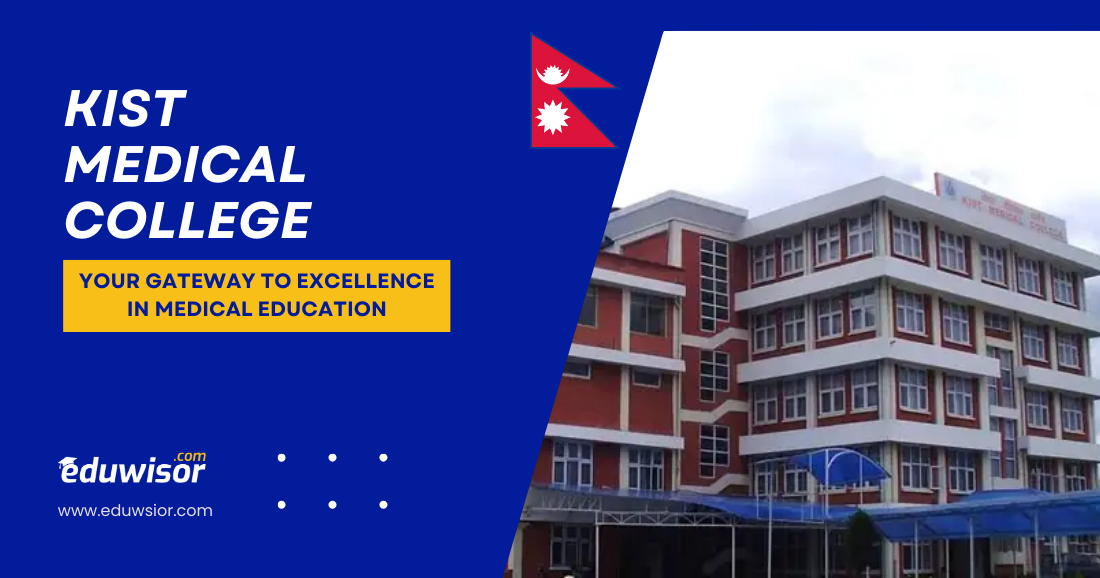
Embarking on the journey to become a doctor is one of the most profound decisions a student can make. It requires not only intellectual dedication but also a commitment to serving humanity. Choosing the right institution to nurture this dream is paramount. In the vibrant landscape of medical education in Nepal, KIST Medical College (KIST MC), affiliated with Tribhuvan University’s Institute of Medicine (IOM), stands as a beacon of excellence, innovation, and holistic development. Located in the culturally rich and accessible city of Imadol, Lalitpur, KIST MC has carved a niche for itself, attracting aspiring medical professionals from across Nepal and beyond. This comprehensive guide delves deep into every facet of KIST Medical College Nepal, providing you with an unparalleled look at what makes it a premier destination for an MBBS in Nepal.
Chapter 1: The Legacy and Vision of KIST Medical College
KIST Medical College has a clear vision: to produce competent, compassionate, and ethical medical graduates who can meet the healthcare challenges of the 21st century. It operates under the esteemed umbrella of the KIST Group of Institutions, which has made significant contributions to education in Nepal. The college is more than just an academic institution; it fosters a community dedicated to inquiry, empathy, and professional integrity.
The philosophy at KIST Medical College and Teaching Hospital centers deeply on the patient. From day one, the program immerses students in an environment that emphasizes the symbiotic relationship between theoretical knowledge and practical, clinical exposure. The college’s mission extends beyond creating doctors; it aims to develop healthcare leaders, researchers, and community advocates. This commitment is reflected in its robust MBBS program, state-of-the-art facilities, and a faculty comprising experienced educators and practicing clinicians. For any student researching medical colleges in Nepal, the legacy of KIST MC presents a compelling case, marked by consistent academic performance, a high pass percentage in licensing exams, and a growing alumni network making strides in medicine globally.
Chapter 2: The Academic Powerhouse: MBBS Program at KIST
The cornerstone of KIST Medical College is its Bachelor of Medicine, Bachelor of Surgery (MBBS at KIST) program. This is a five-and-a-half-year course, inclusive of one year of compulsory rotating internship, structured in line with the curriculum prescribed by Tribhuvan University.
Phase-Wise Curriculum Breakdown:
- Pre-Clinical Sciences (First 2 Years): This phase builds the foundational bedrock. Students engage in intensive study of Human Anatomy, Physiology, Biochemistry, and Community Medicine. Learning is facilitated through meticulously designed lectures, tutorials, and extensive hands-on sessions in modern laboratories. The anatomy department, with its well-maintained dissection hall, provides an essential platform for understanding the human body in profound detail.
- Para-Clinical Sciences (Next 1.5 Years): The bridge between basic sciences and clinical practice, this phase includes Pathology, Microbiology, Pharmacology, and Forensic Medicine. Here, students begin to understand the mechanisms of disease, the action of drugs, and the principles of laboratory medicine. Problem-Based Learning (PBL) sessions are increasingly integrated, encouraging critical thinking and self-directed learning.
- Clinical Sciences (Final 2 Years): This is where theoretical knowledge transforms into clinical competence. Students rotate through various departments at the KIST Teaching Hospital, including Internal Medicine, General Surgery, Pediatrics, Obstetrics & Gynecology, Orthopedics, Psychiatry, and more. Under the supervision of consultants and senior residents, they learn patient interaction, physical examination, diagnostic reasoning, and treatment planning. This direct exposure is what truly prepares a student for the realities of medical practice.
The KIST Medical College regularly updates its curriculum to incorporate global best practices and emerging trends in medical science. The teaching methodology blends traditional didactic lectures with modern interactive techniques like clinical skill demonstrations, simulated patient interactions, and regular bedside teaching. The college strongly emphasizes Community Medicine, ensuring graduates understand public health issues and can serve in diverse settings, from urban hospitals to rural health posts.
Chapter 3: The Heart of Clinical Training: KIST Teaching Hospital
A medical college is only as strong as its teaching hospital, and this is where KIST Medical College truly excels. The KIST Teaching Hospital is a 700-bed multi-specialty tertiary care center that serves as the primary clinical training ground for students. It is not just a hospital; it is a dynamic learning ecosystem.
The hospital boasts a wide array of departments, each equipped with modern diagnostic and therapeutic technology. From advanced surgical suites and a state-of-the-art ICU to a modern radiology department with CT and MRI scanners, students have access to tools they will use in their future careers. The high patient influx across outpatient and inpatient services ensures that students witness and participate in the management of a vast spectrum of medical and surgical conditions.
What sets the KIST Hospital experience apart is the early and consistent clinical exposure. Even during para-clinical years, students are taken for hospital visits, correlating their laboratory findings with real patient cases. This integration ensures that learning is contextual and deeply ingrained. The hospital also runs numerous community outreach programs, allowing students to participate in health camps, vaccination drives, and public health awareness initiatives, thereby fulfilling the social accountability mandate of the institution.
Chapter 4: The Gateway: KIST Medical College Admission Process
Securing a seat at a reputable institution like KIST Medical College is competitive. Understanding the KIST Medical College admission process is the first critical step for aspiring candidates.
Eligibility Criteria:
- Academic Qualification: Candidates must have completed 10+2 or equivalent with Physics, Chemistry, and Biology as core subjects, securing a minimum aggregate as prescribed by the Medical Education Commission (MEC) of Nepal (usually 50% aggregate and 50% individually in PCB for general category).
- Entrance Examination: Admission is strictly based on merit in the common entrance examination conducted by the Medical Education Commission (MEC) of Nepal, known as the MBBS Entrance Exam. The exam tests knowledge and aptitude in Physics, Chemistry, Biology, and Mental Ability/Ethics.
Admission Procedure:
- Application: After the MEC announces the entrance exam date, candidates must fill out the central application form. Upon declaration of results, MEC conducts a centralized counseling process.
- Counseling & Seat Allocation: Based on the All-Nepal rank secured in the MEC entrance exam, candidates are called for counseling. During counseling, they can choose from available seats in participating colleges, including KIST Medical College. Seats are allocated on a merit-cum-choice basis.
- Documentation & Enrollment: Selected candidates must then complete the enrollment process at KIST MC by submitting required documents (academic transcripts, character certificates, passport-sized photographs, citizenship certificate, etc.) and paying the first installment of fees.
It is highly advisable for prospective students to prepare thoroughly for the MEC entrance exam and to stay updated with official notifications on the MEC and KIST Medical College official website (Kistmc).
Chapter 5: Investment in Your Future: KIST Medical College Fees Structure
Understanding the financial commitment is crucial for students and parents. The KIST Medical College fees structure is transparent and is designed to cover tuition, practical sessions, library and laboratory access, and examinations. While the fees are subject to periodic revision, they are competitive within the landscape of private medical colleges in Nepal.
The total fee for the MBBS program is typically payable in installments over the first four years of the course. It is important to note that the fee structure for Nepali nationals and international students (including NRI and SAARC nationals) differs. The fee generally includes:
- Tuition Fee
- Laboratory and Practical Charges
- Library Fee
- Examination Fee (University and Internal)
- Student Welfare Fund
Additional costs to budget for include hostel and mess charges (if opting for college accommodation), books and study materials, personal expenses, and the registration fee for Tribhuvan University. For the most accurate and up-to-date fee breakdown, contacting the KIST Medical College accounts department or visiting the campus is recommended. The college administration is usually helpful in providing detailed financial planning guidance.
Chapter 6: A Home Away From Home: KIST Medical College Hostel & Campus Life
For most students, pursuing an MBBS means living away from home. KIST Medical College understands this transition and provides a supportive and secure living environment through its KIST Medical College hostel facilities.
Hostel Amenities:
The college offers separate, well-secured hostel buildings for male and female students. Rooms are typically furnished on a twin-sharing or triple-sharing basis, providing a comfortable space for both study and rest. Common amenities include:
- 24/7 high-speed internet access.
- Common study rooms and recreational areas.
- Hygienic, in-house mess facilities providing nutritious and balanced vegetarian and non-vegetarian meals.
- 24-hour security and CCTV surveillance.
- Regular housekeeping and laundry services (may be chargeable).
- Backup power supply to ensure uninterrupted study time.
The KIST Medical College campus in Imadol is a self-contained academic haven. Beyond the hostels, the campus features spacious, well-ventilated lecture halls equipped with audio-visual aids, a central library with a vast collection of medical texts, journals, and digital resources, and modern laboratories for each preclinical subject. The campus also has sports facilities, canteens, and green spaces where students can unwind.
Student Life and Extracurriculars:
Life at KIST MC is not just about academics. The college encourages a vibrant campus culture. Student clubs and committees—such as the Medical Students’ Society, literary and cultural clubs, sports clubs, and community service groups—organize events, festivals, health camps, and inter-college competitions throughout the year. These activities are instrumental in developing soft skills, leadership qualities, and a sense of camaraderie, which are indispensable for a future healthcare professional.
Chapter 7: Easing the Financial Burden: Scholarship Opportunities
Recognizing merit and supporting deserving students is a key priority. KIST Medical College scholarship programs are available to alleviate the financial burden on talented students from diverse economic backgrounds.
Scholarships are primarily awarded based on:
- Merit in MEC Entrance Exam: Top rank holders in the national-level entrance exam are often eligible for substantial scholarships or fee concessions.
- Merit in University Examinations: Students who excel in their internal and university examinations may receive merit-based scholarships for subsequent years.
- Need-Based Assistance: The college may have provisions to support students from financially disadvantaged backgrounds, subject to verification.
- Special Quotas: Scholarships may also be available for students from specific regions, marginalized communities, or the families of martyrs and veterans, as per government and institutional policies.
Prospective and current students are advised to inquire directly with the college administration about the specific scholarships available, application procedures, and renewal criteria. These opportunities make quality medical education in Nepal more accessible and rewarding.
Chapter 8: Beyond the MBBS: Internship, PG Prospects, and Career Pathways
The final year of the program is the compulsory rotating internship at KIST Teaching Hospital. This is a pivotal year where graduates, now with the title of “Doctor,” apply their accumulated knowledge under supervision. They rotate through all major clinical departments, gaining confidence and honing their clinical and procedural skills. This hands-on experience is invaluable and forms the bridge between being a student and an independent practitioner.
Upon successful completion of the MBBS and internship, graduates receive their degree from Tribhuvan University and must register with the Nepal Medical Council to practice in Nepal.
Career Pathways Open to KIST MC Graduates:
- Post-Graduate Studies: Many graduates pursue MD/MS (Doctor of Medicine/Master of Surgery) programs in Nepal or competitive postgraduate seats abroad (in India, USA, UK, Australia, etc.). The strong foundation from KIST Medical College prepares them well for these rigorous entrance exams.
- Hospital Practice: Graduates can work as Medical Officers, Residents, or Consultants in public or private hospitals.
- Government Service: Opportunities exist in government health services, including roles in district hospitals, health posts, and public health programs.
- Research and Academia: For those inclined towards teaching and research, opportunities exist in medical colleges and research institutions.
- Alternative Careers: The degree opens doors to fields like healthcare management, pharmaceuticals, medical writing, and public health policy.
The robust training at KIST MC ensures that its graduates are not only sought-after in Nepal but are also well-prepared to meet international standards, making them globally competitive medical professionals.
Chapter 9: KIST Medical College in the National Landscape: Ranking and Reputation
When evaluating medical colleges in Nepal, KIST Medical College ranking is consistently high among private institutions. While official national rankings can vary by publication, KIST MC is widely respected for:
- Academic Rigor: Consistent performance of students in Tribhuvan University exams.
- Infrastructure: Its modern teaching hospital and well-equipped campus.
- Faculty: A blend of dedicated full-time faculty and experienced visiting consultants.
- Clinical Material: The high patient load at its teaching hospital.
- Student Outcomes: A strong record of graduates securing post-graduate seats and employment.
Its affiliation with Tribhuvan University, Nepal’s oldest and most prestigious university, adds significant weight to its academic credentials. For a student, this translates into a degree that is recognized and respected nationally and internationally.
Chapter 10: The Verdict: Why Choose KIST Medical College?
Choosing where to study medicine is a decision that shapes your future. KIST Medical College offers a compelling package:
- Proven Academic Excellence: A rigorous, well-structured MBBS program under a renowned university.
- Unmatched Clinical Exposure: Training at a busy, multi-specialty KIST Teaching Hospital from early on.
- Supportive Ecosystem: Safe hostel facilities, a vibrant campus life, and accessible faculty.
- Strategic Location: Situated in the Lalitpur area of the Kathmandu Valley, with good connectivity and amenities.
- Holistic Development: Emphasis on ethics, community service, and personal growth alongside academic learning.
- Strong Alumni Network: Becoming part of a growing community of successful medical professionals.
For the aspiring doctor seeking a nurturing yet challenging environment that balances quality education, practical skills, and personal development, KIST Medical College Nepal emerges as a top-tier choice. It is an institution that doesn’t just teach medicine—it inspires healers.Final Note for Prospective Students:
Your medical journey is unique. We encourage you to go beyond this guide. If possible, visit the KIST Medical College campus in Imadol, Lalitpur. Interact with current students and faculty. Experience the atmosphere of the KIST Hospital. Gather information directly from the source to see if it feels like the right place for you to grow, learn, and embark on your noble profession. Your future in medicine begins with an informed choice, and KIST MC is undoubtedly a choice worth considering with the utmost seriousness
Eduwisor always guides students toward the right path with an unbiased approach. You can follow us on Youtube, Facebook, Instagram, Twitter, and Linkedin. Stay tuned for regular updates.
Interested in applying? Contact authorized Eduwisor consultant for a smooth admission process!
Act NOW—limited seats for 2026 intake! Call/WhatsApp: 9326395883/ 9076036383
