

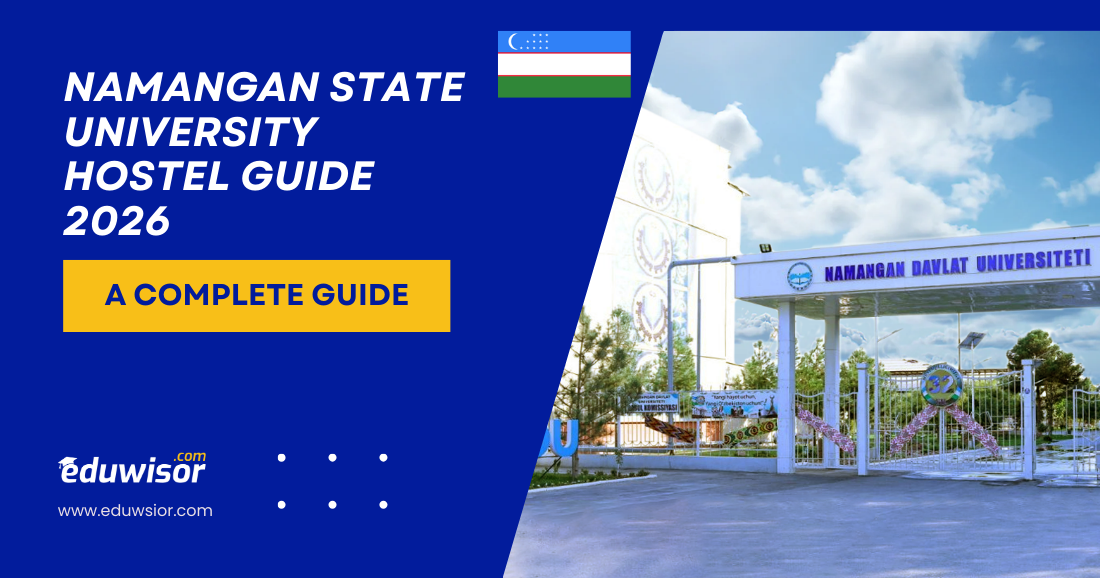
Namangan State University (NSU), established in 1942, has grown to become one of Uzbekistan’s premier institutions of higher education. Located in the historic Fergana Valley region, the university attracts thousands of students from across Uzbekistan and internationally. One of the most critical aspects of the student experience at NSU is accommodation, particularly the university hostel system that serves as a home away from home for students pursuing their academic dreams.
The Namangan State University hostel system represents more than just a place to sleep—it’s a vibrant community where lifelong friendships are formed, cultural exchanges occur daily, and students navigate the challenging yet rewarding journey of higher education together. This comprehensive 5500-word guide will explore every facet of NSU hostel life, from practical details about facilities and costs to the intangible aspects of community living that make the hostel experience truly transformative.
Chapter 1: Overview of Namangan State University Hostel System
1.1 Historical Development of NSU Student Housing
The hostel system at Namangan State University has evolved significantly since the university’s early days. Initially, student accommodation was limited, with most students commuting from nearby areas or arranging private housing. The growing recognition of student accommodation as integral to academic success prompted systematic development of hostel facilities beginning in the 1970s.
Today, NSU boasts multiple hostel buildings strategically located around the main campus, capable of housing approximately 2,500 students simultaneously. The university has implemented a phased renovation program, with several hostels completely refurbished in the past decade to meet modern standards of student living.
1.2 Types of Hostels at NSU
Namangan State University offers different categories of hostels catering to diverse student needs:
Main Campus Hostels: These are located within walking distance of academic buildings, libraries, and sports facilities. They primarily house undergraduate students.
Postgraduate and International Student Hostels: Specifically designed for graduate students and international scholars, these facilities often offer enhanced amenities and quieter study environments.
Gender-Specific Accommodation: NSU maintains separate hostel buildings for male and female students, adhering to cultural norms while ensuring comfortable living arrangements for all.
Specialized Department Hostels: Some faculties maintain hostels primarily for their students, fostering stronger academic communities within living spaces.
1.3 Geographic Location and Accessibility
The NSU hostel complex enjoys a prime location in Namangan city, situated approximately 3-5 kilometers from the city center. This positioning offers students the perfect balance between campus focus and city access. Key location advantages include:
- Proximity to Academic Buildings: Most lecture halls, laboratories, and the main library are within 10-15 minute walking distance
- Transportation Links: Multiple bus routes connect the hostel area to different parts of the city
- Nearby Amenities: Markets, pharmacies, cafes, and recreational facilities are conveniently accessible
- Safety Considerations: The hostel area benefits from campus security services and well-lit pathways
Chapter 2: Detailed Examination of Hostel Facilities and Amenities
2.1 Room Configurations and Living Spaces
The Namangan State University hostel offers various room types to accommodate different preferences and budgets:
Standard Shared Rooms (2-3 students): The most common accommodation, featuring:
- 18-22 square meters of living space
- Individual study desks and chairs for each resident
- Ample storage including wardrobes and shelves
- Large windows providing natural light
- Basic furnishings (beds, mattresses, bedding)
- Electrical outlets and lighting fixtures
Enhanced Accommodation (Limited Availability):
- Single occupancy rooms for graduate students and students with special needs
- Corner rooms with additional space in select hostels
- Recently renovated rooms with upgraded furnishings
All rooms include climate control options appropriate for Namangan’s continental climate—heating for cold winters and ventilation for warm summers. While air conditioning is not universal, renovated buildings increasingly include this feature.
2.2 Sanitary Facilities and Hygiene Standards
Shared Bathroom Arrangements: Most floors feature shared bathroom facilities with:
- Multiple toilet cubicles
- Shower areas with hot water availability (typically scheduled)
- Sinks and mirrors in common wash areas
- Regular cleaning and maintenance schedules
En-suite Options: Some premium rooms include private bathroom facilities, though these are limited and often prioritized for international students or those with medical requirements.
Laundry Facilities: Each hostel building includes:
- Designated laundry rooms with washing machines
- Clothes drying areas (both indoor and outdoor)
- Ironing facilities available upon request
- Laundry service options at additional cost
2.3 Academic Support Facilities Within Hostels
Understanding that hostel life must support academic success, NSU has integrated several educational facilities:
Study Rooms and Libraries: Each hostel includes dedicated study areas with:
- Quiet study rooms with individual carrels
- Group study rooms for collaborative work
- Small reference libraries with essential textbooks
- Extended opening hours during examination periods
Computer and Internet Facilities:
- Computer labs with internet access in each hostel complex
- Wi-Fi connectivity throughout hostel buildings (with varying strength)
- Printing and photocopying services at nominal costs
- Technical support for connectivity issues
Tutoring and Academic Assistance:
- Peer tutoring programs organized within hostels
- Faculty office hours sometimes held in hostel common areas
- Academic workshops and seminars hosted in hostel multipurpose rooms
2.4 Recreational and Social Facilities
Common Rooms and Social Spaces: Each hostel floor typically includes:
- Television lounge with cable/satellite connection
- Recreational rooms with board games, table tennis, etc.
- Informal gathering areas for social interaction
- Kitchenettes for light food preparation (in some hostels)
Sports and Fitness Facilities:
- Outdoor sports courts (basketball, volleyball) adjacent to hostels
- Indoor recreation rooms with exercise equipment
- Access to university sports complex at discounted rates
- Organized intramural sports teams based in hostels
Cultural and Spiritual Spaces:
- Prayer rooms accommodating religious practices
- Cultural celebration areas for festivals and holidays
- Music rooms (in some hostels) for practice and performance
2.5 Health and Wellness Facilities
Medical Support:
- First aid facilities in each hostel
- On-call medical assistance through university health center
- Regular health check-ups organized in hostel premises
- Mental health support and counseling services
Food and Nutrition:
- Hostel cafeterias offering affordable meals
- Shared kitchen facilities for self-catering
- Nutrition guidance and dietary accommodation
- Food storage facilities (refrigerators, pantries)
Safety and Security Infrastructure:
- 24/7 security personnel and surveillance systems
- Controlled access with identification checks
- Fire safety equipment and regular drills
- Emergency response protocols and evacuation plans
Chapter 3: The Application Process and Eligibility Criteria
3.1 Who Can Apply for Namangan State University Hostel Accommodation?
Eligibility for Namangan State University hostel accommodation follows specific criteria:
Priority Categories:
- International students (full degree seekers)
- Students from distant regions of Uzbekistan
- First-year undergraduate students
- Students with disabilities or special needs
- Graduate students (limited availability)
- Academic scholarship recipients
General Eligibility Requirements:
- Full-time enrollment at Namangan State University
- Compliance with university academic standards
- Clear disciplinary record
- Timely payment of university fees
- Completion of required medical examinations
3.2 Step-by-Step Application Procedure
Step 1: Initial Application Submission
- Obtain hostel application form from Student Affairs Office or download from NSU portal
- Complete all sections accurately with supporting documents
- Submit during designated application periods (typically June-July for fall semester)
Step 2: Required Documentation
- Copy of admission letter or proof of enrollment
- Identification documents (passport, national ID)
- Recent photographs
- Medical clearance certificate
- Previous academic records
- For international students: visa documentation, health insurance proof
Step 3: Application Review and Allocation
- Applications reviewed by Hostel Allocation Committee
- Priority given based on established criteria
- Room assignments made considering preferences when possible
- Notification sent via email/university portal
Step 4: Registration and Move-in
- Present notification letter at Hostel Administration Office
- Complete hostel agreement and rules acknowledgment
- Make required payments (security deposit, first month)
- Receive room key and orientation materials
- Inventory check and room condition documentation
3.3 Important Dates and Deadlines
The hostel application calendar follows the academic year:
For Fall Semester Intake:
- Application opening: June 1
- Priority deadline: July 15
- Final deadline: August 10
- Allocation announcement: August 20-25
- Move-in period: September 1-5
For Spring Semester Intake:
- Application opening: December 1
- Priority deadline: January 5
- Final deadline: January 20
- Allocation announcement: January 25-30
- Move-in period: February 1-3
Continuous Applications: Considered based on vacancy availability throughout the year.
3.4 Special Accommodations and Requests
Students with specific needs may request special accommodations:
Medical Requirements: Documentation from certified medical professional needed for:
- Ground floor rooms
- Special bathroom facilities
- Room temperature controls
- Proximity to exits
Academic Requirements: Students may request specific hostels based on:
- Laboratory access for science students
- Library proximity for research students
- Faculty adjacency for consultation accessibility
Cultural/Religious Considerations: Reasonable accommodations made for:
- Prayer schedules and spaces
- Dietary arrangements
- Festival observances
Chapter 4: Financial Aspects: Costs, Payments, and Value
4.1 Detailed Fee Structure
Namangan State University hostel fees are structured to be affordable while maintaining quality standards:
Standard Room Rates (per month):
- Shared room (3-person): 450,000 – 550,000 UZS
- Shared room (2-person): 600,000 – 700,000 UZS
- Single occupancy: 900,000 – 1,200,000 UZS
- Premium/renovated rooms: 20-30% additional
Additional Costs and Deposits:
- Security deposit: Equivalent to one month’s rent (refundable)
- Utility charges: Included in base rent for standard usage
- Internet access: Basic package included, premium at additional cost
- Laundry facilities: Basic access included, premium services extra
Comparison with Alternative Accommodation:
- University hostel: 450,000 – 1,200,000 UZS monthly
- Private room rental in Namangan: 1,500,000 – 3,000,000 UZS
- Shared apartment: 800,000 – 1,500,000 UZS per person
- Homestay arrangements: 1,200,000 – 2,000,000 UZS
4.2 Payment Procedures and Schedules
Payment Methods Accepted:
- Bank transfer to designated university accounts
- Online payment through NSU portal
- Cash payments at university finance office
- Installment plans for students with demonstrated need
Payment Schedule:
- Rent due by 5th of each month
- Late payment penalties: 5% after 5 days, potential loss of accommodation after 15 days
- Semester-based payments available with discount (5%)
- International students may pay in USD at official exchange rate
Financial Assistance and Subsidies:
- Government-sponsored students: Full or partial accommodation subsidies
- Merit-based scholarships: May include accommodation stipends
- Need-based assistance: Available through Student Welfare Office
- Work-study programs: Some positions include accommodation benefits
4.3 Value Analysis: What Your Fees Cover
Included in Basic Hostel Fee:
- Accommodation in furnished room
- Basic utilities (electricity, water, heating)
- Internet connectivity (basic bandwidth)
- Access to common facilities
- Basic maintenance and cleaning of common areas
- Security services
- Administrative support
Additional Value Components:
- Proximity to academic resources reduces transportation costs
- Community support systems enhance academic performance
- Organized activities and events included
- Access to exclusive student services
- Emergency support and after-hours assistance
Chapter 5: Rules, Regulations, and Community Living Guidelines
5.1 Essential Hostel Rules and Policies
Visitor Policies:
- Registration of all guests at security desk
- Visiting hours: 8:00 AM to 10:00 PM (weekdays), 8:00 AM to 11:00 PM (weekends)
- Overnight guests require prior approval (maximum 3 nights/month)
- Guests must leave identification at security during visits
Quiet Hours and Study Considerations:
- Designated quiet hours: 11:00 PM to 7:00 AM
- Examination period: Extended quiet hours (10:00 PM to 8:00 AM)
- Designated 24-hour study areas available
- Noise complaints addressed through progressive discipline
Room Maintenance Responsibilities:
- Regular cleaning of personal spaces expected
- Shared responsibility for common area cleanliness
- Damage reporting requirement within 24 hours
- Periodic room inspections (with advance notice)
5.2 Safety and Security Protocols
Access Control:
- Electronic key card system for building and room access
- Security checkpoints at hostel entrances
- Identification required for entry after 8:00 PM
- Guest escort responsibility of host student
Emergency Procedures:
- Clearly marked evacuation routes and assembly points
- Regular fire drills (once per semester)
- Emergency contact information displayed in all rooms
- First aid trained staff on each floor
Property Protection:
- Personal property insurance recommended
- University not liable for personal belongings
- Safe deposit boxes available for valuables
- Registration of expensive electronics encouraged
5.3 Community Living Standards
Shared Space Etiquette:
- Kitchen cleanliness: Clean after use policy
- Bathroom courtesy: Time limits during peak hours
- Laundry facility rotation: Sign-up sheets for washers
- Common room reservations: Available for group activities
Conflict Resolution Mechanisms:
- Floor representatives elected each semester
- Mediation available through Hostel Council
- Formal grievance procedure for unresolved issues
- Regular community meetings for concerns
Cultural Sensitivity Guidelines:
- Respect for diverse backgrounds and traditions
- Inclusive language and behavior expectations
- Religious observance accommodations
- Cultural exchange events and activities
Chapter 6: Life in Namangan State University Hostels: The Student Experience
6.1 A Typical Day in the Hostel
Morning Routine (6:00 AM – 9:00 AM):
- Wake-up calls (informal among roommates)
- Queue management for bathroom facilities
- Breakfast at hostel cafeteria or self-prepared
- Final preparation for morning classes
- Departure to academic buildings
Academic Day Integration:
- Midday returns to hostel for breaks between classes
- Library and study room utilization
- Group project meetings in common areas
- Faculty consultations sometimes held in hostel spaces
Evening and Night Activities (6:00 PM onwards):
- Dinner with hostel mates
- Study sessions in quiet rooms
- Recreational activities in common areas
- Social gatherings and cultural events
- Preparation for next day
6.2 Academic Advantages of Hostel Living
Proximity to Resources:
- Library access until late hours
- Laboratory availability for extended work
- Group study formations with classmates
- Peer tutoring networks
Structured Environment:
- Reduced commute time increases study hours
- Academic-focused atmosphere
- Exam preparation support systems
- Research collaboration opportunities
Faculty Accessibility:
- Some faculty hold office hours in hostel common areas
- Informal mentoring relationships develop
- Research assistant opportunities emerge
- Academic advising more accessible
6.3 Social and Cultural Dimensions
Building Diverse Friendships:
- Interaction with students from various regions and countries
- Cultural exchange through daily living
- Language practice opportunities
- Formation of lifelong networks
Organized Social Activities:
- Hostel competitions (sports, academics, arts)
- Cultural nights celebrating different traditions
- Skill-sharing workshops among residents
- Community service projects
Support Systems Development:
- Peer support during challenging academic periods
- Emotional support during adjustment phases
- Celebratory traditions for achievements
- Alumni networks originating from hostel friendships
6.4 Challenges and Coping Mechanisms
Common Adjustment Challenges:
- Initial homesickness, especially for first-year students
- Cultural adjustment for international students
- Roommate compatibility and conflict
- Balancing social and academic demands
University Support Services:
- Counseling services with hostel outreach
- Mentorship programs pairing senior and junior students
- International student advisors
- Conflict mediation resources
Student-Developed Coping Strategies:
- Formation of study groups for mutual support
- Cultural exchange partnerships
- Regular community meetings to address concerns
- Shared responsibility systems for common challenges
Chapter 7: Special Considerations for International Students
7.1 Pre-Arrival Preparation
Documentation Requirements:
- Valid student visa
- Health insurance meeting Uzbek requirements
- Financial proof for duration of stay
- Academic credentials verification
Logistical Preparation:
- Climate-appropriate clothing for Namangan’s continental climate
- Voltage adapters (Uzbekistan uses 220V, European-style plugs)
- Essential medications with prescriptions
- Cultural orientation materials
Communication Setup:
- Local SIM card availability information
- Internet connectivity options
- Emergency contact establishment
- University contact information
7.2 Arrival and Orientation Support
Airport Reception (Available on Request):
- Advance notification required (minimum 72 hours)
- University representative meeting service
- Transportation to hostel arranged
- Initial settlement assistance
International Student Orientation:
- Specialized program covering visa regulations
- Cultural adjustment workshops
- Language support resources
- Administrative process guidance
Buddy System:
- Assignment of current student as mentor
- Assistance with initial shopping and setup
- Introduction to campus and city
- Ongoing support during first semester
7.3 Cultural Integration Support
Language Assistance:
- Russian and Uzbek language classes
- Conversation partner programs
- Bilingual floor representatives in international hostels
- Translation support for official documents
Cultural Adaptation Programs:
- Regular cultural sensitivity workshops
- Host country tradition introductions
- International student social events
- Cross-cultural communication training
Dietary and Religious Accommodations:
- Halal and vegetarian meal options
- Prayer space provisions
- Festival observance accommodations
- Special dietary requirement considerations
7.4 Ongoing Support Systems
Academic Support for International Students:
- Language assistance for coursework
- Writing center with multilingual staff
- Subject-specific tutoring
- Examination preparation support
Administrative Assistance:
- Visa extension guidance
- Bank account setup assistance
- Legal consultation availability
- Travel document support
Community Building:
- International student associations
- Cultural showcase events
- Home hospitality programs with local families
- Alumni networks from home countries
Chapter 8: Comparative Analysis with Other University Hostels in Uzbekistan
8.1 NSU Hostel vs. Tashkent University Hostels
Facility Comparison:
- NSU offers more green spaces around hostels
- Tashkent universities have more extensive public transport access
- Renovation levels comparable at leading institutions
- NSU provides better student-to-bathroom ratios
Cost Analysis:
- NSU hostel fees 20-30% lower than Tashkent equivalents
- Living expenses in Namangan significantly lower than capital
- Comparable utility costs across institutions
- NSU offers more included amenities in base price
Community Aspects:
- NSU’s smaller size fosters closer-knit communities
- Tashkent universities offer more diverse international populations
- NSU has stronger regional cultural representation
- Capital universities have more external entertainment options
8.2 NSU Hostel vs. Samarkand and Bukhara Universities
Historical and Cultural Context:
- NSU balances modern amenities with cultural sensitivity
- Ancient city universities have more historical infrastructure constraints
- NSU’s relatively newer facilities allow better planning
- All maintain strong traditions of hospitality
Student Experience Differences:
- NSU offers more consistent internet connectivity
- Similar academic support structures across institutions
- NSU has more extensive recreational facilities
- Comparable safety and security standards
International Student Considerations:
- NSU provides more structured orientation for international students
- Similar cultural adjustment challenges across locations
- NSU’s location offers different regional cultural experiences
- Comparable support systems for non-native speakers
8.3 Unique Advantages of NSU Hostel System
Regional Leadership Position:
- Best student accommodation in Fergana Valley region
- Model for other regional university hostel development
- Strongest industry connections for student employment
- Most comprehensive student support services in region
Innovation in Student Housing:
- Pilot programs for sustainable hostel operations
- Technology integration in hostel management
- Student participation in hostel governance
- Continuous improvement based on resident feedback
Value Proposition:
- Optimal balance of cost and quality
- Strong focus on academic support within living environment
- Progressive approach to student welfare
- Community development emphasis
Chapter 9: Future Developments and Strategic Plans Of Namangan State University
9.1 Infrastructure Development Projects
Short-term Improvements (1-2 years):
- Wi-Fi enhancement across all hostel buildings
- Renovation of two older hostel buildings
- Installation of solar water heating systems
- Accessibility upgrades for students with disabilities
Medium-term Projects (3-5 years):
- Construction of new 500-bed international student hostel
- Development of integrated recreational complex
- Implementation of smart hostel technology systems
- Green space expansion and outdoor study areas
Long-term Vision (5-10 years):
- Complete renewal of all hostel facilities
- Development of specialized graduate student housing
- Creation of hostel-based innovation and incubator spaces
- Integration of hostel system with smart city initiatives
9.2 Program and Service Enhancements
Academic Integration Initiatives:
- Hostel-based learning communities by academic discipline
- Increased faculty presence in hostel environments
- Integration of hostel life with career development
- Expanded research support within living spaces
Wellness and Support Services Expansion:
- 24/7 mental health support availability
- Expanded fitness and wellness facilities
- Nutritional counseling and food services improvement
- Preventive health programs within hostels
Community Development Programs:
- Leadership development within hostel communities
- Cross-cultural competence certification programs
- Community engagement and service learning integration
- Alumni mentorship programs based in hostels
9.3 Sustainability Initiatives
Environmental Sustainability:
- Energy efficiency upgrades across all buildings
- Water conservation systems implementation
- Waste reduction and recycling programs
- Sustainable food sourcing for hostel cafeterias
Social Sustainability:
- Inclusive community building programs
- Intergenerational connection initiatives
- Community outreach from hostel base
- Cultural preservation and exchange emphasis
Economic Sustainability:
- Cost containment while improving quality
- Innovative funding models for improvements
- Partnership development for enhanced services
- Value optimization for student residents
Chapter 10: Practical Tips for Prospective and Current Residents
10.1 For Prospective Students Considering Namangan State University Hostel
Research and Decision Factors:
- Visit if possible during open house events
- Speak with current students about their experiences
- Compare total cost of attendance with housing alternatives
- Consider academic benefits of on-campus living
Application Enhancement Strategies:
- Apply during priority periods for better room allocation
- Provide complete documentation to avoid delays
- Indicate special needs clearly with supporting evidence
- Follow up appropriately without excessive communication
Preparation Before Arrival:
- Connect with future roommates when information available
- Understand climate and pack accordingly
- Set realistic expectations about shared living
- Prepare for initial adjustment period
10.2 For New Residents: First Month Survival Guide
Essential First Week Tasks:
- Complete all administrative checkpoints promptly
- Establish good relationships with roommates and floor mates
- Learn emergency procedures and locations of key facilities
- Set up communication with family back home
Academic Integration:
- Establish study routines early in semester
- Connect with academic support resources
- Balance social opportunities with academic demands
- Attend all orientation sessions offered
Community Building:
- Participate in introductory activities
- Be open to diverse perspectives and backgrounds
- Contribute to shared responsibility systems
- Find balance between privacy and social engagement
10.3 For Continuing Residents: Maximizing the Hostel Experience
Academic Optimization:
- Utilize hostel-based academic resources effectively
- Form or join study groups with hostel mates
- Seek leadership in academic support initiatives
- Balance living environment with academic focus
Personal Development Opportunities:
- Assume leadership roles in hostel governance
- Participate in cross-cultural exchange programs
- Develop conflict resolution and community building skills
- Mentor newer students
Preparation for Transition:
- Develop independent living skills progressively
- Build networks that extend beyond hostel environment
- Document experiences for future applications
- Consider becoming resident advisor in later years
10.4 Health and Wellness Maintenance
Physical Health Strategies:
- Utilize sports and fitness facilities regularly
- Maintain balanced nutrition despite busy schedule
- Ensure adequate sleep in shared environment
- Address health concerns promptly through available services
Mental Wellbeing Approaches:
- Develop stress management techniques suitable for shared living
- Utilize counseling services preventatively, not just in crisis
- Build support networks within hostel community
- Maintain connection with family and home community
Social Health Considerations:
- Balance social engagement with need for solitude
- Develop healthy conflict resolution approaches
- Contribute positively to community atmosphere
- Respect diverse needs and boundaries within shared spaces
Conclusion: The Transformative Potential of Hostel Life at Namangan State University
The Namangan State University hostel system represents far more than affordable accommodation—it is a carefully designed ecosystem supporting holistic student development. From the practical aspects of safe, comfortable living spaces to the profound opportunities for cross-cultural learning and personal growth, the hostel experience at Namangan State University prepares students for success both academically and in life beyond university.
The ongoing investments in infrastructure, the commitment to student welfare evident in support services, and the vibrant communities that emerge within these living spaces collectively create an environment where students from diverse backgrounds can thrive. While challenges exist in any shared living situation, the systems and supports established at Namangan State University provide frameworks for navigating these challenges constructively.
For prospective students considering Namangan State University, the hostel system offers compelling value—financial, academic, and developmental. For current residents, engaging fully with the opportunities presented can transform the university experience from mere degree acquisition to comprehensive personal and professional preparation. As NSU continues to innovate and improve its hostel offerings, it solidifies its position not just as an institution of academic excellence, but as a nurturing environment where the next generation of Uzbek and international leaders are formed through the powerful alchemy of shared learning and living.
The Namangan State University hostel experience, in its ideal realization, embodies the university’s motto of “Knowledge, Wisdom, Humanity” by creating spaces where knowledge is pursued collaboratively, wisdom emerges from diverse interactions, and humanity is expressed daily in the respect and care community members show one another in their shared home away from home.
Eduwisor always guides students toward the right path with an unbiased approach. You can follow us on Youtube, Facebook, Instagram, Twitter, and Linkedin. Stay tuned for regular updates.
Interested in applying? Contact authorized Eduwisor consultant for a smooth admission process!
Act NOW—limited seats for 2026 intake! Call/WhatsApp: 9326395883/ 9076036383