

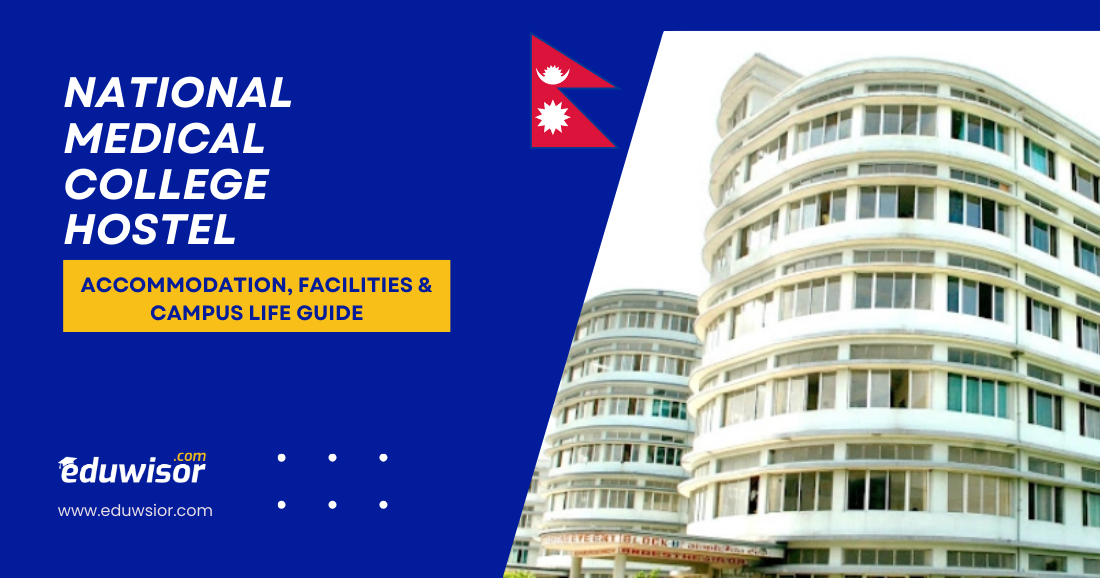
National Medical College (NMC) stands as one of the premier medical institutions in the country, renowned not just for its academic excellence but also for its exceptional residential facilities. The National Medical College hostel system represents more than just accommodation—it’s a comprehensive living-learning environment designed specifically for medical students who require a supportive, secure, and conducive atmosphere for their demanding studies.
Spread across several buildings within the college campus, the hostel facilities cater to both domestic and international students, creating a multicultural environment where future healthcare professionals from diverse backgrounds live, study, and grow together. The student accommodation at NMC has been carefully designed keeping in mind the rigorous schedule of medical education, providing all necessary amenities within reach so students can focus on their studies without worrying about daily living logistics.
In this comprehensive guide, we’ll explore every aspect of hostel life at National Medical College, from room facilities and food services to security measures and recreational activities, giving prospective students and parents a complete picture of what to expect from medical college hostel living.
History and Development of National Medical College Hostel Facilities
The National Medical College hostel system has evolved significantly since the institution’s establishment. Originally starting with a single residential building accommodating just 100 students, the hostel infrastructure has expanded dramatically to meet growing demand and changing student needs. Today, the NMC residential complex comprises multiple buildings with capacity for over 1,500 students, reflecting the college’s commitment to providing quality accommodation alongside medical education.
Over the past two decades, the college hostel has undergone several major renovations and expansions, each phase incorporating modern amenities and improved living standards. The administration has consistently invested in upgrading hostel facilities, recognizing that comfortable accommodation directly impacts student well-being and academic performance. The medical student accommodation at NMC now stands as a model for other institutions, balancing functionality, comfort, and community building.
The development of separate hostel buildings for male and female students, along with specialized accommodations for international students and postgraduates, demonstrates the college’s attention to diverse student needs. Each hostel block has been designed with input from student representatives, ensuring that the facilities truly serve those who live in them. This collaborative approach to hostel infrastructure development has created living spaces that medical students genuinely appreciate and benefit from throughout their demanding educational journey.
Hostel Architecture and Location
Strategically situated within the main college campus, the National Medical College hostel buildings offer unparalleled convenience for students. The hostel campus placement ensures that lecture halls, libraries, laboratories, and hospitals are all within walking distance, saving precious time for busy medical students. This integrated campus living arrangement is particularly valuable during clinical rotations and emergency calls when proximity to hospital facilities becomes crucial.
The hostel buildings themselves showcase thoughtful architecture that blends functionality with aesthetic appeal. Designed by renowned architects specializing in educational infrastructure, each hostel block incorporates natural lighting, ventilation, and green spaces to create a healthy living environment. The NMC accommodation facilities feature earthquake-resistant construction, modern fire safety systems, and accessibility features for differently-abled students, reflecting comprehensive safety considerations.
The hostel location within the campus also provides easy access to sports facilities, cafeterias, and recreational areas, creating a balanced lifestyle for residents. Medical student accommodation at NMC isn’t isolated from academic resources—instead, it’s integrated into the educational ecosystem, with study lounges, small group discussion rooms, and even simulated learning spaces incorporated within hostel premises. This seamless integration of living and learning spaces represents a forward-thinking approach to medical education housing that recognizes how environment impacts education.
Types of Hostel Accommodation Available In National Medical College
The National Medical College hostel system offers diverse accommodation options to suit different preferences, budgets, and needs. Understanding these options helps students make informed decisions about their college living arrangements throughout their medical education journey.
Single Occupancy Rooms
For students who prefer privacy and quiet study environments, single occupancy rooms represent the premium hostel accommodation option. These hostel rooms typically measure 120-150 square feet and include a study table, chair, bookshelf, bed, wardrobe, and attached bathroom. The single occupancy option is particularly popular among postgraduate students and those in their final years who require uninterrupted study time. These rooms are allocated based on academic merit and seniority, with a limited number available in each hostel block.
Double Occupancy Rooms
The most common student accommodation type at NMC is the double occupancy room, shared by two students. These shared rooms typically measure 180-200 square feet and provide two sets of furniture (beds, study tables, chairs, wardrobes) with a shared attached bathroom. This arrangement encourages peer learning and camaraderie while keeping costs affordable. First-year students are generally placed in double occupancy rooms as it helps them build connections and adjust to medical college life with a roommate’s support.
Triple and Quadruple Occupancy
For undergraduate students seeking the most economical hostel facilities, triple and quadruple occupancy rooms are available. These larger hostel rooms (250-300 square feet) accommodate three or four students respectively, with shared study spaces and bathroom facilities. While more economical, these rooms still provide adequate personal space through clever design elements like partitioned study areas and individual storage solutions. The college hostel administration ensures that even shared accommodations maintain privacy and comfort standards.
Special Accommodations
The National Medical College hostel system includes specialized accommodations for international students, students with disabilities, and married postgraduate students. These residential facilities are designed with specific needs in mind—international student hostels might include kitchen facilities for different culinary preferences, while accessible rooms feature widened doors, wheelchair-friendly bathrooms, and specialized furniture. These thoughtful accommodations demonstrate NMC’s commitment to inclusive campus living for all students.
Room Facilities and Amenities In National Medical College
Every hostel room at National Medical College comes equipped with essential amenities designed to support both comfortable living and serious study—two crucial components of medical student life. The NMC accommodation facilities go beyond basic necessities to create environments where students can thrive academically while maintaining physical and mental well-being.
Furniture and Storage
Each hostel room features ergonomic furniture specifically selected for students who spend long hours studying. The study tables are spacious with built-in lighting, power outlets, and connectivity ports for laptops and medical equipment. Adjustable chairs support proper posture during marathon study sessions—a thoughtful consideration for medical education demands. Ample storage solutions include wardrobes with locking compartments, bookshelves, and under-bed storage to keep hostel rooms organized despite limited space.
Electrical and Connectivity
Recognizing the digital nature of modern medical education, every hostel room includes multiple electrical outlets, high-speed Wi-Fi connectivity, and LAN ports for stable internet access crucial for accessing medical databases, online resources, and virtual simulations. The hostel infrastructure includes backup power systems to ensure uninterrupted electricity supply, particularly important for refrigerating medications or maintaining study schedules during power outages.
Climate Control
Given the region’s varying climatic conditions, hostel rooms are equipped with ceiling fans, adequate ventilation systems, and provision for installing air conditioning units (subject to additional fees and electricity charges). The college hostel buildings themselves are designed with thermal efficiency in mind, using materials and orientations that minimize heat absorption while maximizing natural light.
Bathroom Facilities
Attached bathrooms in hostel accommodations feature modern fixtures, 24-hour hot water supply (through solar heating systems supplemented by electrical backups), and adequate water pressure. The hostel maintenance team ensures regular cleaning and prompt repair of any bathroom issues, maintaining hygiene standards essential in a medical college environment.
Laundry Services
While hostel rooms don’t include personal laundry facilities, the college hostel provides common laundry rooms with washing machines on each floor. Alternatively, students can opt for the college’s professional laundry service at reasonable rates—particularly valuable during busy exam periods or clinical rotations when time is limited.
Food and Dining Facilities
Nutrition plays a crucial role in maintaining the demanding schedule of medical students, and the National Medical College hostel dining facilities have been designed with this understanding. The hostel food services balance nutritional requirements, taste preferences, and cultural considerations to support student health and well-being.
Main Dining Hall
The central dining facility serving hostel residents operates from 6:00 AM to 11:00 PM, offering flexible meal times that accommodate varying clinical schedules and study patterns. The college hostel dining hall serves four meals daily: breakfast (6:00-9:00 AM), lunch (12:00-3:00 PM), evening snacks (4:00-6:00 PM), and dinner (7:00-10:00 PM). The spacious hall can accommodate 500 students at once, with additional seating available during peak hours.
Menu Variety and Nutrition
The hostel food menu is developed by nutritionists in consultation with student representatives, ensuring meals provide balanced nutrition while catering to diverse tastes. Typically, each meal offers multiple options including vegetarian and non-vegetarian dishes, regional specialties, and international cuisine options for diverse student populations. Special attention is given to including protein-rich foods, brain-boosting nutrients, and energy-sustaining carbohydrates—all essential for medical education demands.
Special Dietary Arrangements
Recognizing medical conditions, religious observances, and personal preferences, the NMC accommodation dining services provide special dietary arrangements upon request. Students with specific nutritional needs (diabetic, hypertensive, allergic, etc.) can consult with the hostel nutritionist to develop personalized meal plans. Separate cooking and serving arrangements maintain strict segregation for vegetarian, halal, and other dietary requirements.
Cafeteria and Snack Bars
In addition to the main dining hall, smaller cafeterias and snack bars located within hostel buildings offer light meals, beverages, and snacks 24/7. These facilities are particularly valuable during night study sessions or after late clinical duties when the main dining hall is closed. The hostel campus also includes several coffee shops and juice bars that serve as popular social and study spots.
Hygiene and Quality Control
The college hostel maintains rigorous food safety standards, with regular inspections, ingredient quality checks, and staff hygiene monitoring. A committee comprising administration officials, student representatives, and independent nutrition experts conducts monthly evaluations of hostel food quality, variety, and service. Transparency in kitchen operations and willingness to incorporate student feedback have made NMC’s dining facilities particularly popular among residents.
Security and Safety Measures In National Medical College
Safety and security are paramount concerns in any student accommodation, particularly for medical students who often keep irregular hours due to clinical duties and study requirements. The National Medical College hostel implements comprehensive security measures to ensure resident safety while maintaining a welcoming, non-restrictive environment.
Physical Security Infrastructure
The entire hostel campus is enclosed within a perimeter wall with controlled entry-exit points. Each hostel building features secure access systems—typically electronic key cards for residents and biometric systems for enhanced security areas. CCTV surveillance covers all common areas, entry points, and perimeter boundaries, monitored 24/7 by trained security personnel. The hostel security system strikes a careful balance between safety and privacy, with no surveillance in private areas like rooms or bathrooms.
Security Personnel
Trained security staff patrol the hostel premises 24 hours a day, conducting regular rounds and monitoring access points. These personnel undergo specialized training in handling emergencies specific to educational residential facilities, including medical emergencies, conflict resolution, and crisis management. The college hostel security team maintains a visible but unobtrusive presence, ensuring students feel secure without feeling policed.
Access Control Policies
Strict access control policies regulate entry to hostel buildings, with different rules for different times. During daytime hours (6:00 AM to 8:00 PM), visitors are permitted in designated common areas after registration. Evening access (8:00 PM to 11:00 PM) is restricted to residents and pre-authorized guests, while night hours (11:00 PM to 6:00 AM) permit only residents except in emergencies. These hostel regulations protect resident safety while allowing reasonable social interaction.
Emergency Response Systems
Each hostel room contains emergency contact information and procedures, while common areas feature prominently displayed evacuation routes and emergency assembly points. The hostel infrastructure includes fire alarm systems, smoke detectors, fire extinguishers, and first-aid stations on every floor. Regular emergency drills ensure residents know how to respond to fires, earthquakes, or security threats—particularly important given the medical college context where some students may be involved in institutional emergency response.
Health and Medical Safety
Given the medical education context, health safety receives special attention in NMC hostels. Isolation rooms are available for residents with contagious conditions, and the hostel administration has established protocols for monitoring outbreaks and coordinating with college healthcare services. During the recent global health crisis, these systems proved particularly valuable in protecting student health while maintaining academic continuity.
Study Facilities and Academic Support
Recognizing that medical students require exceptional study environments, the National Medical College hostel integrates academic support facilities directly into residential spaces. This seamless blending of living and learning environments represents a significant advantage of campus living at NMC.
Hostel Libraries and Reading Rooms
Each hostel block contains dedicated study areas, including quiet reading rooms and group discussion spaces. These hostel facilities are open 24/7, accommodating the varying study schedules of medical students. The main hostel library contains essential medical textbooks, reference materials, and previous years’ examination papers—resources that complement the main college library. These decentralized study spaces reduce congestion in central facilities while providing convenient access for residents.
Digital Learning Resources
The hostel infrastructure includes high-speed internet connectivity throughout, with enhanced bandwidth in study areas to support video lectures, virtual dissections, and online database access. Designated computer stations in hostel study lounges provide access to specialized medical software that might be too expensive for individual students to purchase. This integration of digital resources into student accommodation reflects the evolving nature of medical education.
Peer Learning Spaces
Informal learning is crucial in medical training, and the college hostel design encourages this through common areas conducive to group study. Whiteboards, anatomical charts, and small discussion tables transform lounges into collaborative learning spaces where residents quiz each other, practice presentations, or work through complex cases together. This hostel environment naturally fosters the peer-to-peer learning that medical education traditionally values.
Academic Mentoring Within Hostels
Senior residents often mentor junior students in informal arrangements facilitated by the hostel administration. Some hostels organize regular academic support sessions where postgraduate residents or final-year students guide newer residents through challenging subjects. This built-in mentoring system represents one of the intangible benefits of medical college hostel living that extends beyond physical amenities.
Examination Preparation Support
During examination periods, the hostel facilities adapt to increased academic demands. Study hours are extended, additional quiet spaces are designated, and special arrangements accommodate intensive revision schedules. The hostel food services during exam times often include “brain food” menus with enhanced nutritional support, while hostel staff minimize disruptions to create optimal study conditions.
Recreational and Wellness Facilities
Medical education is notoriously demanding, making recreational facilities and wellness support not just amenities but necessities for maintaining balance. The National Medical College hostel provides comprehensive recreational options that help students manage stress, maintain physical health, and develop interests beyond their medical studies.
Sports and Fitness Facilities
The hostel campus includes well-equipped gyms, sports fields, and courts for basketball, volleyball, badminton, and tennis. Yoga and meditation spaces provide options for less vigorous physical activity, while swimming pools (separate timings for men and women) offer refreshing exercise alternatives. These hostel amenities are particularly valuable given the sedentary nature of much medical study, helping residents maintain physical health alongside mental development.
Common Rooms and Social Spaces
Each hostel floor typically includes a common room with television, board games, musical instruments (for designated hours), and comfortable seating for social interaction. Larger common areas in each building host events, celebrations, and informal gatherings. These spaces facilitate the community building essential to positive college living experiences, particularly for students far from home.
Hobby and Interest Clubs
The college hostel supports various student clubs and interest groups ranging from literary societies and debate clubs to music bands and theater groups. Dedicated spaces for these activities within hostel premises allow residents to pursue interests without traveling off-campus. The hostel administration often provides modest funding or resources for club activities, recognizing their importance in holistic student development.
Mental Health and Wellness Support
Understanding the stress associated with medical education, NMC hostels incorporate wellness support directly into residential life. Counselors maintain regular hours in hostel counseling centers, and wellness workshops on stress management, sleep hygiene, and mindfulness are regularly organized. The hostel environment itself is designed to reduce stress through green spaces, natural light, and noise-reduction measures in study and sleeping areas.
Celebration of Diversity
With students from across the country and internationally, NMC hostels celebrate cultural diversity through food festivals, cultural nights, and inter-hostel competitions that showcase regional traditions. These activities enrich the campus living experience while helping students from minority backgrounds feel included and valued in the college community.
Hostel Administration and Management
Efficient administration ensures that hostel facilities operate smoothly and responsively to student needs. The National Medical College hostel management structure balances administrative oversight with student representation, creating a system that is both efficient and responsive to resident concerns.
Administrative Structure
The hostel administration is headed by a Chief Warden, typically a senior faculty member with responsibility for overall hostel operations. Assistant wardens (faculty members) oversee individual hostel buildings, while resident tutors (senior postgraduate students) live in hostels and provide frontline support. This multi-tiered system ensures that administrative, academic, and student perspectives inform hostel management decisions.
Student Representation
Each hostel block elects student representatives who form the Hostel Committee, meeting monthly with administration to discuss concerns, suggest improvements, and plan activities. This formal feedback mechanism ensures that hostel facilities evolve according to student needs rather than administrative assumptions. The committee also helps organize hostel events and mediates minor conflicts between residents.
Maintenance and Housekeeping
Professional housekeeping staff clean common areas daily, while room cleaning is typically the responsibility of residents (with cleaning supplies provided). The hostel maintenance team responds promptly to repair requests through an online system, with emergency repairs addressed within hours and non-urgent matters within days. Regular preventive maintenance ensures that hostel infrastructure remains in optimal condition rather than deteriorating until major repairs become necessary.
Rules and Regulations
The college hostel maintains reasonable rules designed to ensure peaceful coexistence among residents while allowing personal freedom. These regulations cover quiet hours (typically 11:00 PM to 6:00 AM), guest policies, use of common facilities, and standards of conduct. The rules are clearly communicated during orientation and available in handbook form in each room, with enforcement focusing on education rather than punishment for minor first infractions.
Transparent Fee Structure
Hostel fees are clearly itemized and communicated during admission, with no hidden charges. The fee structure typically includes accommodation charges, a security deposit (refundable upon departure if no damages), and optional charges for additional services like laundry, air conditioning, or special dietary arrangements. The hostel administration provides detailed breakdowns of how fees are allocated, fostering trust in the management of student funds.
Community Life and Social Environment
Beyond physical amenities, the social environment of National Medical College hostel significantly impacts the student experience. The residential system intentionally fosters community building while respecting individual needs for privacy and focused study time.
Building Community Connections
Hostel life at NMC naturally builds connections among residents through shared experiences—navigating the challenges of medical education, celebrating successes, supporting each other during difficulties. These connections often develop into lifelong professional networks and friendships that extend beyond college years. The college hostel environment accelerates relationship building compared to non-residential student experiences.
Inter-Hostel Activities
Friendly competition between hostel buildings through sports tournaments, cultural competitions, and academic challenges builds community spirit while developing leadership and organizational skills. These inter-hostel activities, organized by student committees with administrative support, create memorable experiences that alumni often recall fondly years later.
Support Systems for New Students
First-year residents benefit from formal and informal mentoring systems that help them adjust to medical college life. Orientation programs specifically address hostel living, introducing newcomers to facilities, rules, and community expectations. “Hostel parents” or “senior buddies” provide guidance during the initial adjustment period, particularly valuable for students experiencing independent living for the first time.
Cultural and Regional Groups
Students from similar regions or cultural backgrounds often form informal groups that provide familiarity and support while adjusting to a new environment. The hostel administration facilitates these natural groupings through designated spaces for cultural celebrations while encouraging cross-cultural interaction through integrated activities that bring diverse residents together.
Conflict Resolution Mechanisms
Living in close quarters inevitably creates occasional conflicts, and the college hostel provides structured mechanisms for resolution. Resident tutors and assistant wardens mediate minor disputes, while more serious matters escalate to formal grievance procedures. These systems help maintain harmonious campus living while teaching conflict resolution skills valuable in future medical practice.
Technology Integration in Hostel Living
Modern medical education increasingly relies on technology, and the National Medical College hostel integrates technological solutions to enhance both residential experience and academic support.
Digital Infrastructure
High-speed Wi-Fi covers all hostel buildings and surrounding areas, with sufficient bandwidth to support multiple devices per student simultaneously. The network includes separate channels for academic resources (prioritizing access to medical databases and virtual learning platforms) and general use. This hostel infrastructure ensures that technology enhances rather than hinders the educational experience.
Smart Hostel Features
Recent renovations have incorporated smart features into hostel rooms, including digital notice boards, automated lighting systems with study-friendly settings, and energy monitoring that helps environmentally conscious students track and reduce their consumption. These technological enhancements improve convenience while teaching responsible resource use—valuable lessons for future healthcare professionals.
Security Technology
Beyond basic CCTV, the hostel security system includes smart access controls that log entry and exit, emergency alert systems accessible via mobile devices, and automated lighting in corridors and common areas that responds to movement. These technologies enhance safety while minimizing intrusive human monitoring.
Academic Technology Integration
The college hostel increasingly serves as an extension of the learning environment through technology. Virtual reality stations allow residents to practice anatomical visualization, while simulation apps on hostel networks let students review procedures at their convenience. This blurring of boundaries between classroom and living space represents the future of medical education housing.
Sustainability Technologies
Solar water heating, rainwater harvesting systems, and energy-efficient lighting throughout hostel buildings demonstrate environmental responsibility while reducing operational costs. Students participate in sustainability initiatives, creating awareness of ecological issues relevant to future healthcare practice where environmental factors increasingly impact public health.
Special Considerations for International Students
With a growing international student population, the National Medical College hostel has developed specific facilities and support systems addressing unique needs of students from abroad.
Dedicated International Hostels
Separate hostel buildings or floors for international students help address specific needs while encouraging cross-cultural integration through structured activities. These spaces might include kitchen facilities for preparing familiar foods, prayer rooms for various religious practices, and common areas designed to facilitate cultural exchange.
Orientation and Adjustment Support
Extended orientation programs help international students adjust to not just medical education but also cultural differences, climate, food, and local customs. Buddy programs pair international arrivals with senior students who provide guidance on practical matters from local transportation to academic expectations within the college hostel system.
Administrative Support for Documentation
The hostel administration assists international students with residence registration, visa extension procedures, and other bureaucratic requirements that might challenge those unfamiliar with local systems. This support reduces stress during the adjustment period, allowing international residents to focus on their demanding studies.
Culinary Accommodations
While the main dining hall serves diverse cuisine, additional kitchen facilities in international hostels allow students to prepare familiar foods when desired. Regular international food festivals introduce local students to global cuisines while helping international residents share their culinary heritage—a delicious form of cultural exchange within the hostel community.
Celebration of Global Festivals
The college hostel calendar includes celebrations of major international festivals, creating opportunities for cultural sharing while helping international students observe important traditions despite being far from home. These inclusive celebrations enrich the entire campus living experience, exposing all residents to global perspectives valuable in increasingly internationalized medical practice.
Comparison with Other Medical College Hostels
Perspective students often wonder how National Medical College hostel facilities compare with other institutions. While each college has unique strengths, several distinctive features set NMC hostels apart in the landscape of medical student accommodation.
Integration with Academic Facilities
Unlike many institutions where hostels are separate from academic buildings, NMC’s hostel campus is thoroughly integrated with teaching hospitals, libraries, and laboratories. This proximity represents a significant advantage during clinical rotations and emergency calls, saving time and reducing logistical stress. The seamless physical integration of living and learning spaces is particularly valued by students during demanding phases of training.
Balance of Structure and Freedom
The hostel regulations at NMC strike a thoughtful balance between necessary structure for community living and personal freedom for adult students. Compared to more restrictive hostel systems at some traditional institutions, NMC offers greater autonomy while maintaining essential safety and community standards. This balanced approach respects students’ maturity while recognizing the unique pressures of medical education.
Quality-to-Cost Ratio
While not the cheapest medical college hostel option available, NMC offers exceptional value considering the quality of facilities, food, and services provided. Transparent fee structures without hidden charges and multiple accommodation options at different price points make quality student accommodation accessible across economic backgrounds. Scholarship and financial aid options further ensure that hostel fees don’t prevent qualified students from accessing NMC’s residential facilities.
Attention to Wellness
Compared to many institutions that focus primarily on academic outcomes, NMC hostels demonstrate unusual attention to student wellness through integrated recreational facilities, mental health support, and stress reduction initiatives. This holistic approach recognizes that optimal learning requires more than just study spaces—it requires environments that support overall well-being throughout the demanding journey of medical training.
Student Involvement in Management
The formalized role of student representatives in hostel administration sets NMC apart from more paternalistic systems. Regular feedback mechanisms, transparent decision-making, and shared responsibility for community standards create a sense of ownership among residents that transforms hostels from mere accommodations into genuine campus homes.
Challenges and Continuous Improvement
No hostel system is without challenges, and NMC’s residential facilities continually evolve to address emerging issues while maintaining their established strengths.
Addressing Space Constraints
With growing student numbers, space management represents an ongoing challenge. The hostel administration addresses this through efficient room allocation systems, flexible furniture that maximizes usable space, and creative use of common areas. Future expansion plans aim to maintain the quality of hostel facilities even as student numbers increase.
Balancing Community and Privacy
Medical students require both community support and private study time—needs that sometimes conflict in shared living spaces. The college hostel addresses this through designated quiet zones, soundproofing in study areas, and clear guidelines about noise levels during examination periods. This careful balancing act respects different learning styles and personal needs within the shared residential environment.
Maintaining Infrastructure
Ongoing maintenance of aging hostel buildings requires significant investment and sometimes temporary inconvenience to residents. The administration manages this through phased renovation schedules that minimize disruption, transparent communication about timelines, and temporary alternative arrangements when facilities require closure for upgrades.
Technological Upgrades
Keeping pace with rapid technological change presents both opportunities and challenges for hostel infrastructure. Regular upgrades to network capabilities, digital security systems, and smart features require continuous investment and sometimes steep learning curves for both staff and residents. NMC addresses this through gradual implementation of proven technologies rather than chasing every new trend, ensuring stability alongside innovation.
Cultural Integration
As the student body grows more diverse, fostering genuine integration rather than parallel communities within hostels requires intentional effort. The hostel administration addresses this through inclusive programming, shared spaces designed for interaction, and policies that encourage cross-cultural engagement while respecting individual preferences for association.
Future Developments and Vision
The National Medical College hostel system continues to evolve with a clear vision for enhancing student residential experience in line with changing educational paradigms and student expectations.
Sustainable Hostel Initiatives
Future developments emphasize environmental sustainability through green building standards, renewable energy integration, and waste reduction systems. Planned “eco-hostels” will serve as living laboratories where students can experience and contribute to sustainable practices relevant to public health and planetary wellbeing.
Enhanced Technology Integration
Smart hostel features will expand to include more personalized environmental controls, integrated health monitoring (with student consent), and augmented reality learning spaces within residential areas. These technological enhancements aim to make hostel living more comfortable while further blurring boundaries between formal learning and residential experience.
Wellness-Focused Design
Future hostel buildings will incorporate evidence-based design elements that support mental health, including biophilic design (connecting residents with nature), circadian lighting systems, and dedicated spaces for mindfulness practices. These developments recognize that medical student wellbeing requires intentional environmental support beyond basic accommodation.
Flexible Living Arrangements
Responding to changing student needs, future hostel facilities will offer more flexible arrangements, including co-living spaces for interdisciplinary interaction (mixing medical students with those from nursing, pharmacy, and public health programs) and short-term accommodations for visiting students or professionals participating in continuing education.
Community Connection Expansion
Plans include strengthening connections between hostel residents and the broader community through service-learning initiatives, community health projects, and cultural exchange programs. These developments recognize that future healthcare professionals benefit from understanding the communities they will serve—understanding that can begin during college living experiences.
Conclusion: Why Choose National Medical College Hostel?
The National Medical College hostel represents more than just convenient accommodation—it’s an integral component of the medical education experience, intentionally designed to support academic success, personal development, and professional formation. The hostel facilities balance practical necessities with thoughtful amenities, creating environments where future physicians can focus on their demanding studies while developing the interpersonal skills, resilience, and balance essential to medical practice.
Choosing NMC hostels means selecting more than a place to sleep—it means joining a college community that recognizes how living environments impact learning outcomes and professional development. From the integrated location within the academic campus to the comprehensive support systems and vibrant community life, the National Medical College hostel system demonstrates institutional commitment to educating not just skilled medical technicians but well-rounded healthcare professionals.
As medical education continues evolving toward more holistic approaches that recognize the interconnectedness of physical, mental, and environmental factors in health, NMC’s forward-thinking approach to student accommodation positions its residents not just to survive their medical training but to thrive throughout it. The hostel life experience becomes part of the educational foundation, preparing students for the challenges and rewards of medical careers through supported residential experiences that mirror the balance they will need to maintain throughout their professional lives.
For prospective students weighing accommodation options, the National Medical College hostel offers a compelling combination of practical convenience, academic support, community connection, and personal development opportunities—all within a framework of safety, respect, and continuous improvement. It represents a residential choice that supports not just academic achievement but the development of the complete physician: knowledgeable, compassionate, resilient, and prepared for the complex demands of modern healthcare.
Eduwisor always guides students toward the right path with an unbiased approach. You can follow us on Youtube, Facebook, Instagram, Twitter, and Linkedin. Stay tuned for regular updates.
Interested in applying? Contact authorized Eduwisor consultant for a smooth admission process!
Act NOW—limited seats for 2026 intake! Call/WhatsApp: 9326395883/ 9076036383
