

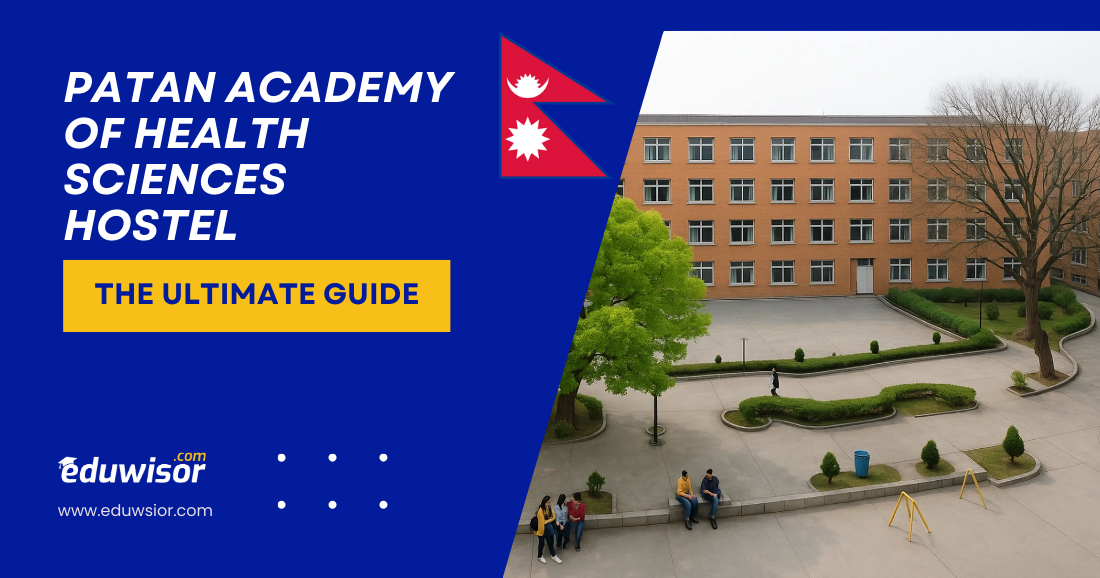
Embarking on a journey in medical or health sciences education is both exhilarating and demanding. For students joining the prestigious Patan Academy of Health Sciences (PAHS) in Lalitpur, Kathmandu, one of the most crucial aspects of this new chapter is finding a secure, comfortable, and conducive place to live. The PAHS hostel isn’t just a dormitory; it’s a community, a support system, and a foundational element of your academic and personal growth. This comprehensive, 6000-word guide delves into every conceivable detail about the Patan Academy of Health Sciences hostel, offering prospective and current students an in-depth look at what to expect, how to prepare, and how to thrive in this unique environment.
Introduction to Patan Academy of Health Sciences (PAHS)
Before we dive into the specifics of hostel life, it’s essential to understand the institution itself. Established with a visionary mission to improve rural healthcare in Nepal, PAHS is more than just a medical college. It is an institution built on the principles of social accountability, community service, and excellence in health education. Located in the historic city of Lalitpur (Patan), part of the Kathmandu Valley, the campus blends academic rigor with rich cultural heritage. Students are selected not only for their academic prowess but also for their commitment to serving underserved communities. This unique ethos permeates every aspect of campus life, including the hostel environment, fostering a sense of shared purpose among residents.
Chapter 1: Overview of Patan Academy of Health Sciences Hostel Accommodation
The PAHS hostel is the primary residential facility provided by the academy for its students. It offers a “home away from home,” especially for people coming from outside the Kathmandu Valley or from remote regions of Nepal. The hostel’s primary goal is to provide a safe, affordable, and supportive living space that allows students to focus entirely on their demanding studies.
Location & Accessibility:
The hostel is situated within or in close proximity to the main PAHS campus in Lalitpur. This strategic location is one of its biggest advantages. Students enjoy a short, safe walk to lecture halls, the PAHS teaching hospital (Patan Hospital), libraries, and laboratories. This proximity becomes invaluable during hectic days filled with classes, clinical rotations, and study sessions. Lalitpur itself maintains good connections, with public transport, markets, and cultural sites all easily accessible. Still, the hostel’s location offers a relatively quieter atmosphere than the busier parts of Kathmandu.
Types of Accommodation:
The Patan Academy hostel rooms are typically arranged as shared accommodations. Understanding the setup is key to setting expectations:
- Shared Rooms: The most common configuration is double or triple-sharing rooms. This setup is intentional, promoting peer learning, camaraderie, and mutual support. Rooms are assigned, often considering factors like year of study or, where possible, student preferences.
- Each room includes essential furnishings: beds, mattresses, study tables, individual chairs, cupboards or wardrobes for each student, and bookshelves. The furniture is functional and robust, designed for student use.
- Utilities: Basic utilities like electricity, water supply, and high-speed internet connectivity are included in the hostel fees. Given Kathmandu’s occasional issues with water supply and load-shedding, the hostel often has backup systems like water storage tanks and inverters or generators to ensure minimal disruption to student life.
The design philosophy is pragmatic—it removes the hassle of finding housing, dealing with landlords, and setting up utilities, allowing you to concentrate on becoming a competent health professional.
Chapter 2: A Deep Dive into Patan Academy of Health Sciences Hostel Facilities and Amenities
A closer look at the hostel amenities for medical students reveals how PAHS supports the holistic well-being of its residents.
1. Dining and Mess Facility (PAHS Hostel Food):
The mess or cafeteria is the heart of the hostel’s social life. It provides nutritious, hygienic, and affordable meals.
- Meal Plans: Typically, the hostel fee includes a mandatory meal plan covering breakfast, lunch, and dinner. The menu provides the balanced diet students need to endure long hours of study and clinical work.
- Food Variety: While the cuisine is predominantly Nepali (dal, bhat, tarkari), the mess provides variety. It often caters to diverse tastes and dietary needs, though the options are simpler than those at private restaurants.
- Hygiene Standards: Maintaining high hygiene in the kitchen and dining area is a priority, given the students’ background in health sciences. There is usually a student mess committee that works with the management to address quality and menu concerns.
2. Study and Academic Support Facilities:
Recognizing the intense academic pressure, the hostel environment is tailored to support study.
- Common study rooms offer more than individual rooms. They often include dedicated common study areas or reading rooms, which provide a silent, library-like atmosphere for focused group study or individual revision.
- Internet Connectivity: Reliable, high-speed Wi-Fi throughout the hostel is non-negotiable. Access to online journals, research databases, and educational resources is critical for medical studies.
- Backup systems provide uninterrupted power for laptops and study lamps, especially during crucial exam periods.ial exam periods.
3. Recreational and Common Areas:
All work and no play is not sustainable. The hostel provides spaces for relaxation and socialization.
- Common Room: Equipped with a television, this space is for casual gatherings, watching news or entertainment, and informal discussions.
- Outdoor Spaces: Depending on the hostel complex, there may be courtyards, gardens, or open spaces where students can get fresh air, have casual conversations, or engage in light physical activities.
- Indoor Games: Facilities for table tennis, carrom, or chess are often available, providing a quick mental break.
4. Laundry and Housekeeping:
- Laundry Areas: Most hostels have common laundry areas with washing lines or spaces. Some may offer washing machines, though students are generally responsible for their own laundry.
- The hostel support staff regularly cleans the common areas, corridors, bathrooms, and toilets. Students are typically responsible for the cleanliness of their own rooms.
5. Health and Wellness:
- On-Campus Medical Care: A significant advantage is the immediate access to the PAHS teaching hospital for any medical needs, from minor illnesses to consultations.
- Mental Health Support: The intense curriculum can be stressful. PAHS, through its student welfare unit, often provides counseling services, and the hostel warden and peers form a first line of support.
6. Security (PAHS Hostel Safety):
Safety is paramount. Security guards patrol the hostel premises 24/7 and control all entry and exit points. They usually log visitors and ensure only authorized individuals enter the residential areas. This provides immense peace of mind, especially for the families of students.
Chapter 3: The Financial Aspect: Patan Academy of Health Sciences Hostel Fees and Costs
Understanding the cost is vital for planning. PAHS structures its hostel fees to be affordable, supporting the academy’s commitment to accessible education.
- Fees usually apply each semester or annually and are separate from academic tuition. It covers the room rent, basic utilities, internet, and the standard meal plan.
- Transparency: The academy provides a clear breakdown of costs. There are generally no hidden charges, but always confirm what the service includes (e.g., the number of meals per day, internet data limits).
- Payment Schedule: Fees are due at the beginning of each academic term. Timely payment is required to secure your accommodation.
- Cost-Effectiveness: Compared to private student accommodation in PAHS vicinity or other parts of Kathmandu, the official hostel is significantly more economical. When you factor in the cost of renting an apartment, furnishing it, paying for separate utilities, internet, and food, the hostel package offers substantial savings and convenience.
- Additional Personal Expenses: Students should budget separately for personal toiletries, laundry detergent, snacks outside the mess, stationery, and any incidental costs.
Chapter 4: The Social Fabric: Hostel Life at Patan Academy of Health Sciences
The hostel life at PAHS is a unique cultural and social experience that shapes your personality as much as your education.
Building a Community:
Living in close quarters with peers from vastly different backgrounds—different regions, ethnicities, and languages—fosters an incredible sense of unity. You are all in the same challenging boat, which creates strong bonds. Students form study groups naturally, share notes, and debate complex topics late into the night. This peer-learning environment is invaluable.
Cultural Exchange and Events:
The hostel becomes a microcosm of Nepal. Students in the common areas often celebrate festivals like Dashain, Tihar, Christmas, and Eid together, sharing their traditions and foods. The hostel may also organize small events, celebrations for success in exams, or farewells for seniors.
Senior-Junior Interaction:
The hostel system fosters a supportive hierarchy. Seniors often guide juniors, not just academically by sharing books and tips, but also in navigating life in Kathmandu, understanding hostel rules at PAHS, and adjusting to the rigors of medical school. This mentorship is an unofficial but integral part of the culture.
Challenges and Conflict Resolution:
Sharing space can have its friction points—different sleep schedules, study habits, or cleanliness standards. Learning to communicate, compromise, and respect shared space is a critical life skill honed here. The hostel warden and elected student representatives usually help mediate any significant issues.
Chapter 5: Rules, Regulations, and Guidelines
To ensure harmony, safety, and an environment conducive to study, the PAHS hostel operates under a set of guidelines. Adherence is expected from all residents.
- Curfew: There is usually a defined curfew time for entry into the hostel, especially for female hostels, to ensure safety. Permission for late entry due to academic reasons (like hospital duties) can often be arranged.
- The school enforces strict visitor rules, especially for those of the opposite gender. Visitors may meet in designated common areas and have limited access to residential rooms to maintain privacy and decorum.
- Quiet hours, especially during exam periods, respect the study needs of all residents.
- Prohibited Items: The hostel prohibits items such as electric heaters and induction cooktops, or any equipment that could pose a fire hazard. The rules strictly forbid alcohol, smoking, and substance abuse on the premises.
- Asset Care: Students are held responsible for the care of furniture and fixtures in their rooms. Any damage beyond normal wear and tear may incur a penalty.
- Check-out Procedures: Clear procedures exist for vacating the room during breaks or upon completion of the program, including inventory checks.
Understanding and respecting these rules is part of being a responsible member of the PAHS student community.
Chapter 6: Alternatives: Nearby Hostels and Private Accommodation
While the official hostel is the first choice, some students may look for nearby hostels for Patan Academy or private apartments.
- Privately run hostels and paying guest accommodations operate in Lalitpur and surrounding areas. These may offer different room configurations (single rooms, attached bathrooms) and more flexible food options but at a higher cost. It’s crucial to verify safety, cleanliness, and distance from campus.
- Renting Apartments: Sharing an apartment with friends offers maximum independence but comes with the full burden of managing rent, contracts, utilities, groceries, and cooking—a significant distraction from studies.
- Comparison: The official Patan Academy of Health Sciences campus accommodation wins on cost, convenience, security, and integration into the student community. Private options might win on privacy and flexibility but often at the expense of a higher budget and more logistical headaches.
Chapter 7: Practical Tips for Prospective Residents
- Packing Smart: Pack according to the seasonal climate (warm clothes for winter, rain gear for monsoon). Bring essential stationery, a good laptop, a reliable desk lamp, and personal items to make your space feel like home. A small medical kit is also wise.
- Communication: Clarify all doubts about PAHS hostel booking and the allocation process with the administration office well in advance.
- Mindset: Be prepared to adapt, share, and be considerate. Your roommate might become your closest friend and most reliable study partner.
- Get Involved: Volunteer for the mess committee or other hostel roles. It’s a great way to contribute and have a say in your living conditions.
- Explore Responsibly: Use your free time to explore the cultural gems of Patan—its durbar square, temples, and cafes—but always prioritize your academic commitments and personal safety.
Conclusion: More Than Just a Place to Sleep
The Patan Academy of Health Sciences hostel is a foundational pillar of the PAHS experience. You forge lifelong friendships there, you begin to collaborate, and you learn the vital soft skills of empathy, tolerance, and community living—skills as crucial to a future healthcare provider as clinical knowledge. It provides a structured, secure, and supportive framework that allows you to fully immerse yourself in the demanding and rewarding journey of becoming a health professional dedicated to serving humanity.
Choosing to live in the Patan Academy of Health Sciences hostel is not merely choosing an affordable student hostel in Kathmandu; it is choosing to be at the very heart of the Patan Academy of Health Sciences community. We invest in a living-learning environment designed to help you succeed, both in your exams and in your mission to become a compassionate, community-oriented doctor or health scientist. As you prepare to join Patan Academy of Health Sciences, look forward to the hostel not just as your accommodation, but as your launchpad, your sanctuary, and your first professional community.
Eduwisor always guides students toward the right path with an unbiased approach. You can follow us on Youtube, Facebook, Instagram, Twitter, and Linkedin. Stay tuned for regular updates.
Interested in applying? Contact authorized Eduwisor consultant for a smooth admission process!
Act NOW—limited seats for 2026 intake! Call/WhatsApp: 9326395883/ 9076036383
